
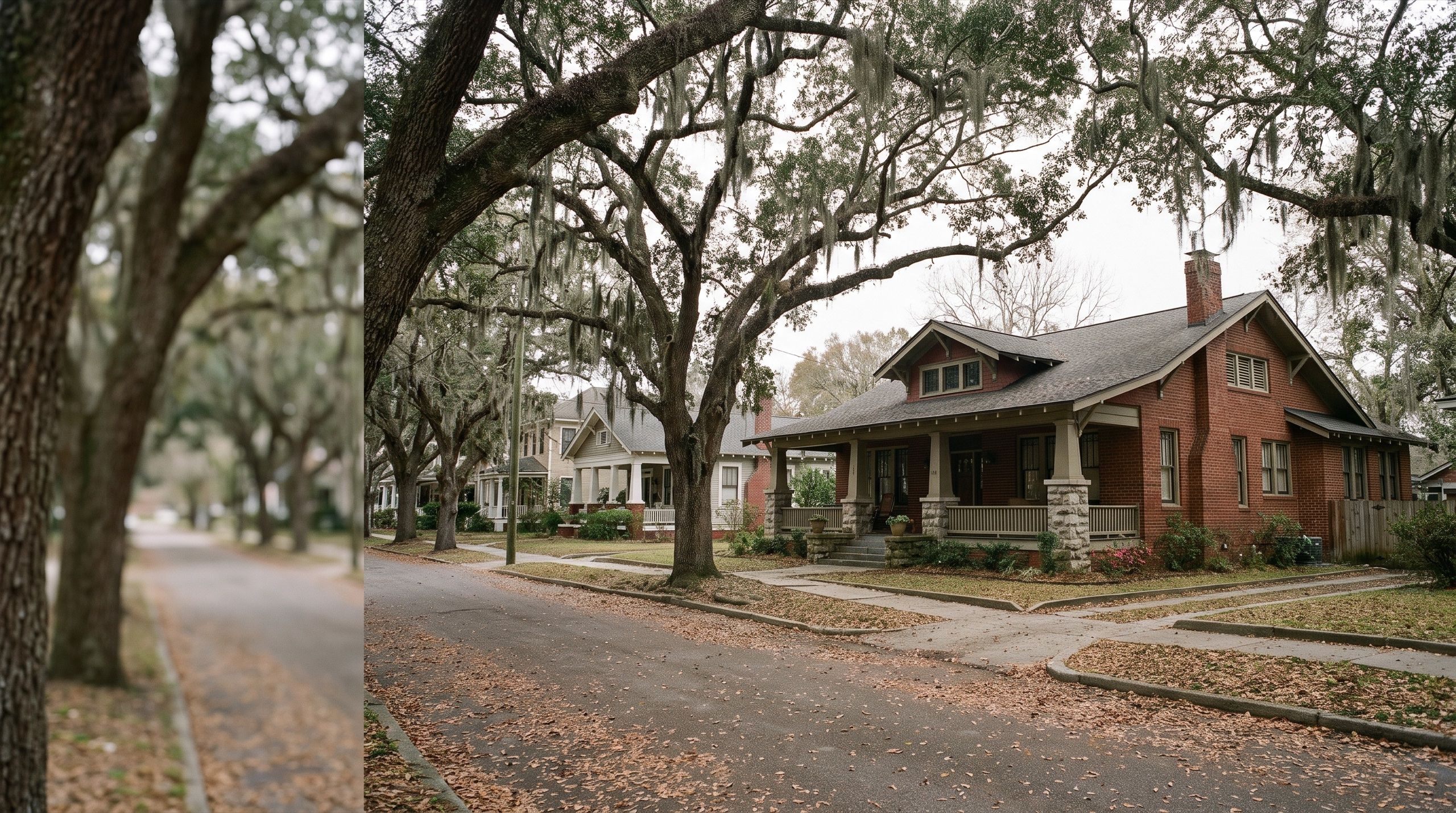
🚨 24/7 Emergency Dispatch — Rock Hill
Rock Hill's Trusted 24/7 Water Damage Restoration Team
Our Fort Mill shop is 8 miles up I-77, so most Rock Hill calls get a truck at the curb in 25 to 40 minutes, day or night. One local crew pulls the water out, dries the house, and rebuilds what had to come out — with the estimate written in Xactimate and billed straight to your insurer.
- Top-Rated in Rock Hill
- 25-40 Min Response
- Licensed, Insured & IICRC
- Direct Insurance Billing
Water Damage Restoration in Rock Hill, SC
If water is coming in right now, shut off the main valve and call (980) 277-3700. We pick up 24 hours a day. Carolina Pro Restoration is based in Fort Mill, and a Rock Hill call usually has a crew at the door in 25 to 40 minutes. The first truck carries pumps, a truck-mounted extractor, commercial dehumidifiers, and a thermal camera, so drying starts on the first visit instead of the second.
Most Rock Hill water damage starts one of three ways. A water heater, supply line, or washer hose gives out in a house built during the 2000s boom. An old drain line backs up in a mill-era home near downtown. Or a hard rain sits on red clay with nowhere to go and finds the crawl space. Each one calls for a different first move, a different drying plan, and a different conversation with your insurer. Here is what we see in each part of the city, and what it costs to fix.
What Causes Water Damage in Rock Hill Homes
Boom-era houses are on their second or third water heater
A big share of Rock Hill's housing went up between the late 1990s and 2008, in neighborhoods like Manchester Village, Massey, and Waterford. The plumbing parts that fail first — water heaters, braided supply lines under sinks and toilets, washing machine hoses, ice-maker lines — are now 15 to 25 years old. A tank water heater is built to last roughly 10 to 12 years, so many of these homes are on a replacement that is itself getting old.
Where the heater sits decides how big the job gets. A tank that splits in the garage floods the garage and the room beside it. A tank or a washer upstairs sends water through the floor, into the ceiling below, and down the inside of the walls on both levels. That is two floors to dry, not one, and it is the single biggest reason two leaks of the same size end up with very different bills.
Slab leaks that never make a puddle
Many of the same neighborhoods were built on a concrete slab, with water lines running under or through it. A pinhole leak down there does not flood a room. It shows up as a warm spot on the floor, a water bill that jumps for no reason, the sound of running water when every tap is off, or flooring that starts to lift near one wall. We map the wet area with thermal imaging and moisture meters before anyone breaks concrete, so your plumber opens the slab in one spot instead of guessing at five.
Old Town and the mill villages: old drain lines under crawl spaces
The houses around downtown, Oakland Avenue, and Rock Hill's old textile mill villages are mostly older crawl-space homes, many from before 1960. Their drain lines are often cast iron or clay pipe that cracks, sags, and lets tree roots in with age. When the main drain clogs, wastewater comes back up through the lowest fixture in the house — usually a tub, a shower, or a floor drain — and runs across the floor into the subfloor and the crawl space below.
That is Category 3 water, and it is handled as a biohazard. Carpet, pad, and the drywall it touched come out, the framing is cleaned and treated, and the air is scrubbed before anything goes back in. Our sewage cleanup page walks through that job step by step.
Red clay and summer storms
York County's red clay takes in very little water. In a heavy summer thunderstorm, rain runs across the yard toward the house instead of soaking into the ground. Where a lot slopes the wrong way, or a downspout empties right next to the foundation, water collects against the block and seeps into the crawl space or a ground-level room. When Hurricane Helene came through in 2024, low-lying streets and older crawl-space homes across the area took on water this way — from the ground, not from a pipe.
Water under a house is easy to miss. The usual clues are a damp smell from the floor vents, a floor that feels soft or bouncy, or a crawl space door that is wet on the inside. We pump the crawl space, pull out soaked insulation, and dry the joists and subfloor with dehumidifiers sized for the space. If the same crawl space keeps taking water, crawl space encapsulation is the long-term fix.
Near the Catawba River, drying takes longer
Riverwalk and the neighborhoods on the city's east side sit close to the Catawba River, and India Hook sits up near Lake Wylie. Flooding in these areas rarely comes from the water itself. The problem is the air: it stays damp most of the year, so wet framing gives up its moisture slowly. A leak here can take a day or two longer to dry than the same leak across town. We leave the equipment in place and log moisture readings every day until the wood is back to normal — not until a set number of days has passed.
Who to Call First in Rock Hill
For a burst pipe, a failed water heater, or a leaking appliance, shut the main valve and call us. We stop the damage and dry the house; your plumber repairs the pipe itself, and we can work alongside them the same day. For a sewage backup, stop using water in the house and call us, then call your water and sewer provider — the City of Rock Hill for most homes inside city limits — if you think the clog may be in the public line. The city generally handles the main in the street; the line from your house to the main is usually the owner's. For rain or groundwater coming in, call us before you try to clean it up, and take photos first.
If water is near outlets, a panel, or a gas appliance, stay out of the room and call your utility or 911 first.
What Water Damage Restoration Costs in Rock Hill
Typical ranges to help you plan — not a quote. Your price comes after the on-site assessment, in writing, before any work starts.
| One room, clean water, caught the same day — extraction and drying | $1,500–$4,000 |
|---|---|
| Upstairs water heater or washer leak through the ceiling — two floors to dry | $4,000–$10,000 |
| Slab leak — locating the wet area, drying, flooring removal (plumbing repair is separate) | $3,000–$9,000 |
| Crawl space water after a storm — pump-out, insulation removal, drying | $1,500–$5,000 |
| Sewage backup in a crawl-space home (Category 3) | $4,000–$12,000 |
| Rebuild after drying — drywall, insulation, trim, paint, flooring, per room | $1,500–$4,000 |
What moves the price most in Rock Hill: whether the water came through a ceiling (two floors to dry instead of one), whether it is clean water or sewage, and how long it sat before drying started. On a covered claim you pay your deductible and nothing beyond it. Financing is available.
How a Rock Hill Job Runs, Start to Finish
Day one: we stop the source, pull out the standing water, and scan every wall and floor near the leak so nothing wet gets missed. Wet carpet pad, baseboards, and the bottom of any soaked drywall come out that day. Drying equipment goes in, placed from the moisture map. Photos and readings start the same hour, because your adjuster will ask for them.
Days two through five: we come back every day to take readings and move equipment as areas dry. When every reading is back to normal, you get a written drying report. Then the same company rebuilds — drywall, insulation, trim, paint, and flooring — with one project manager from the first call to the final walk-through. You do not have to find a second contractor or explain the job twice.
Your Insurance Claim in Rock Hill
A sudden, accidental failure inside the house — a burst pipe, a split water heater, a washer hose — is usually covered by a standard homeowners policy. Rain or groundwater coming in from outside usually is not, unless you carry flood coverage. We write the estimate in Xactimate, the same software adjusters use, share the photos and daily readings with your adjuster, and bill the carrier directly. On a covered claim you pay your deductible and nothing beyond it. If mold has already started by the time you call, see mold removal in Rock Hill.
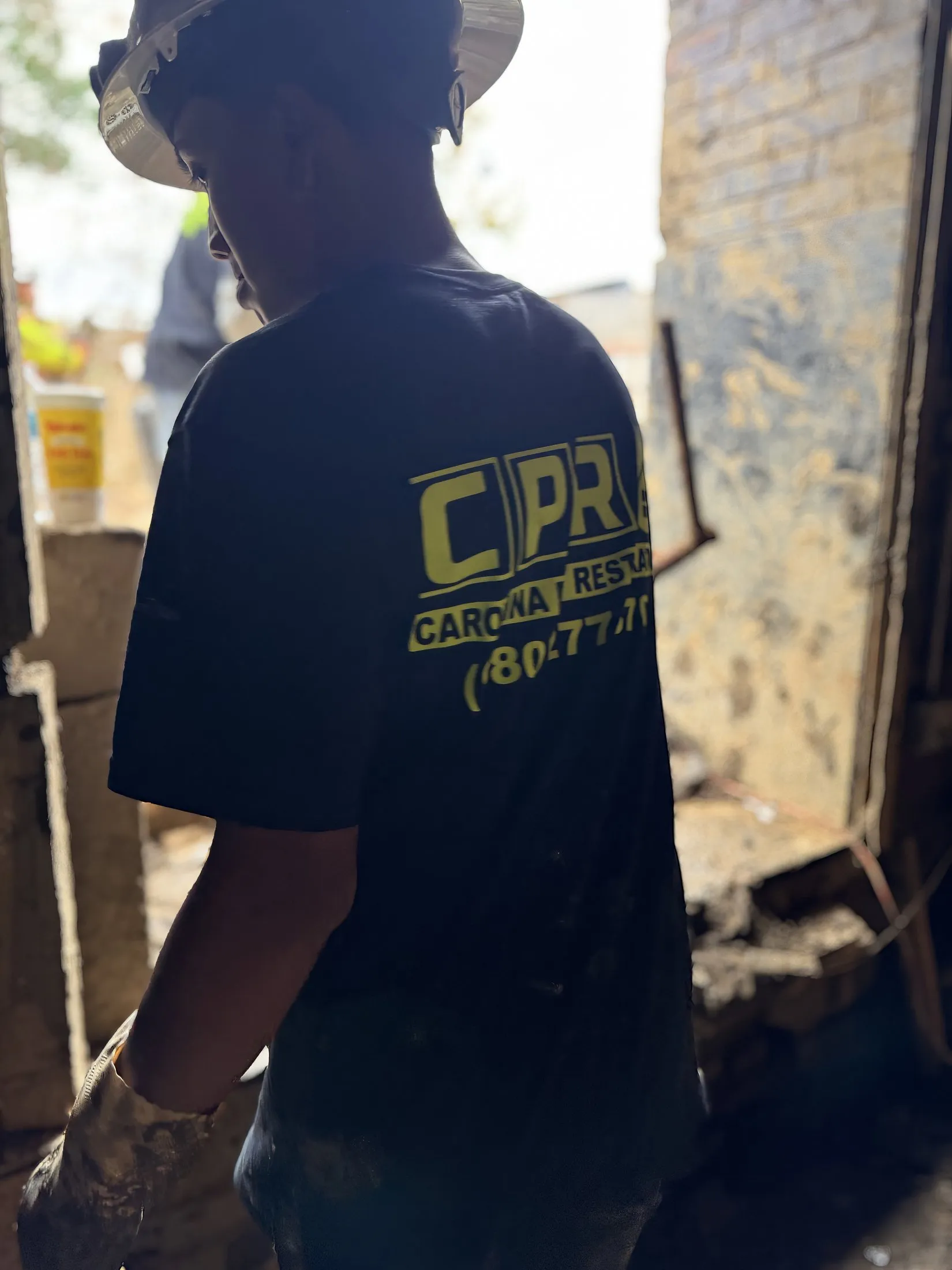
Boots on the ground across Rock Hill
Our IICRC-certified crew responds across Rock Hill and York County for water, storm, and mold damage — then rebuilds what we tear out, all handled by one local team.
What Rock Hill Homeowners Say
Real reviews from homeowners and property managers in Rock Hill, Fort Mill, and York County.
- Mold Removal
Prompt, professional, and reliable — mold removal was fast and thorough. I'd trust them with any home emergency.
- Water Damage
Carolina Pro Restoration responded within an hour for leaking water. Fast, professional, and reliable service. Highly recommend!
- Water Damage
I spoke with the guys from CPR about several water issues at my home and knew right away I was dealing with professionals. They put my mind at ease and immediately started brainstorming to solve my issues. I could not recommend them more!
Rock Hill Water Damage FAQs
Straight answers to what Rock Hill homeowners ask us most.
-
My water heater is upstairs in my Rock Hill home. What happens if it fails?
The water goes down, not out. It soaks the floor, drips through the ceiling below, and runs inside the walls on both levels. Shut the cold-water valve on top of the heater or the main valve, turn off the heater's power or gas, and call (980) 277-3700. Expect drying on two floors and ceiling drywall below the leak to come down. -
How do I know if I have a slab leak?
Watch for a warm spot on a tile or wood floor, a water bill that jumps with no change in use, the sound of running water with every tap off, or flooring lifting near one wall. Turn off every fixture and check your water meter; if it still moves, water is going somewhere. We find the wet area with thermal imaging before anyone breaks concrete. -
Sewage came up through my tub. Is that the city's problem or mine?
It depends where the clog is. The City of Rock Hill generally maintains the main in the street, and the line from your house to the main is usually the owner's. Either way the cleanup inside your home is the same: stop running water, keep people and pets out of the area, and call us. Sewage is Category 3 water and needs full sanitizing. -
Does insurance cover water in my crawl space after a storm?
Usually not under a standard homeowners policy, because rain and groundwater coming in from outside are typically excluded unless you carry flood coverage. A pipe that bursts under the house is different — that is usually covered. We document the source with photos and a written scope so you know which one you are dealing with before any work starts. -
How long does it take to dry out a house in Rock Hill?
Most jobs take three to five days of drying. Homes near the Catawba River and Lake Wylie can take a day or two longer because the air stays humid. We measure moisture every day and pull the equipment when the readings say the framing is dry, not on a fixed schedule. -
Can you start before my adjuster comes out?
Yes, and you should. Most policies expect you to take reasonable steps to stop further damage. We photograph everything as we find it, save samples of removed materials when needed, and keep daily moisture logs, so the adjuster sees exactly what happened even after the water is gone.
Still have a question? Our team is on call 24/7.
Call Now: (980) 277-3700Your Local Water Damage Team in Rock Hill
We are not a distant call center. We are locally owned and based in Fort Mill — just 8 miles from Rock Hill.
Fast Response Across Rock Hill & York County
Our trucks reach all of Rock Hill in under 40 minutes — India Hook, Riverwalk, Old Town, and the Cherry Road corridor included.
We Proudly Serve
Carolina Pro Restoration LLC
3650 Centre Cir Ste I, Fort Mill, SC 29715 (980) 277-3700Water Damage in Rock Hill Right Now? We Are Ready.
Request a Rock Hill Inspection
Fill out this short form and our crew will call you back fast. For emergencies, call us directly — we pick up 24/7.
24/7 Emergency Response (980) 277-3700- We answer 24/7 and respond fast
- On-site assessment with a written scope
- We bill your insurance directly
- IICRC certified, SC licensed & insured
- One crew from cleanup to rebuild
Request an Assessment
No pressure. We'll get right back to you.