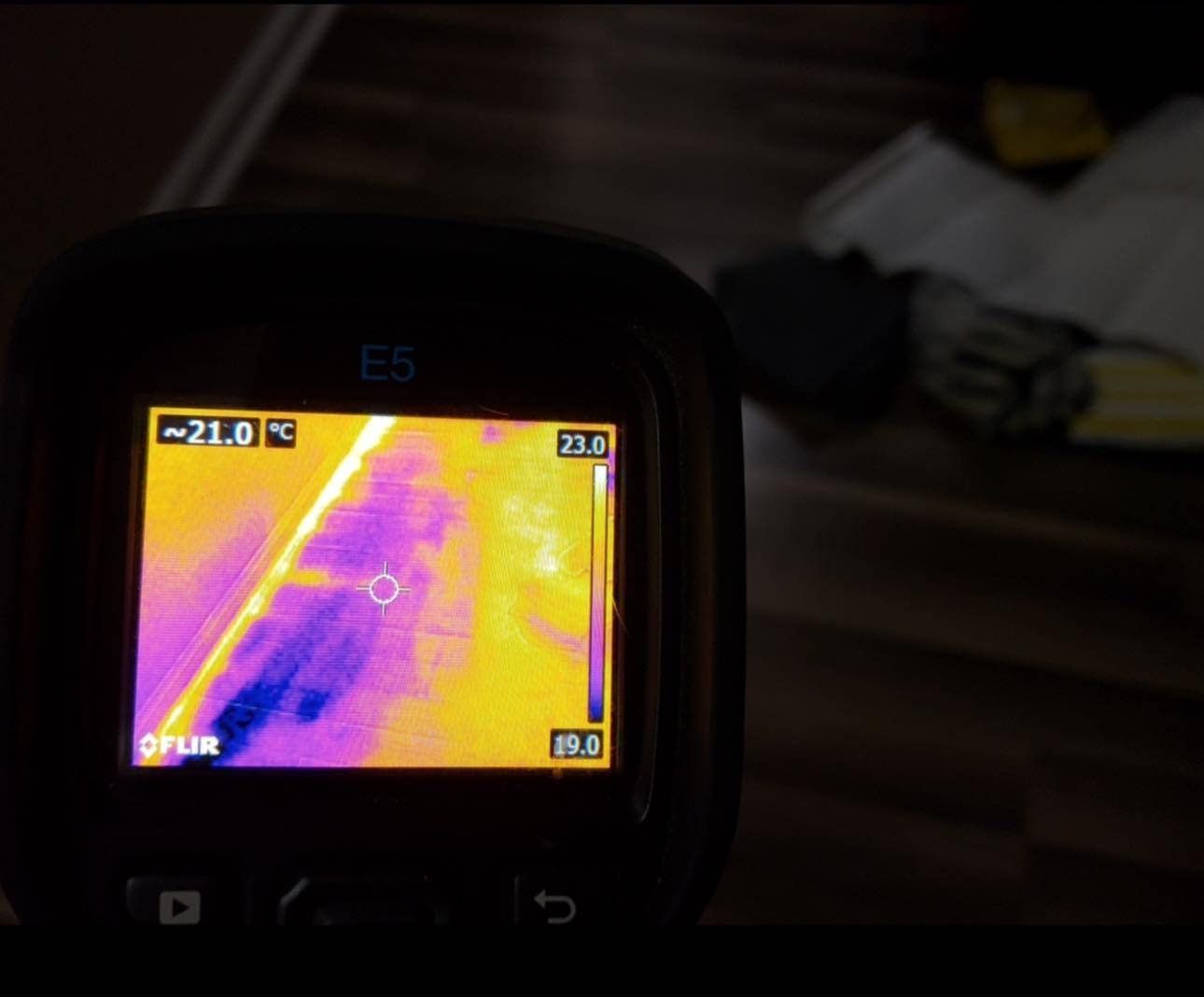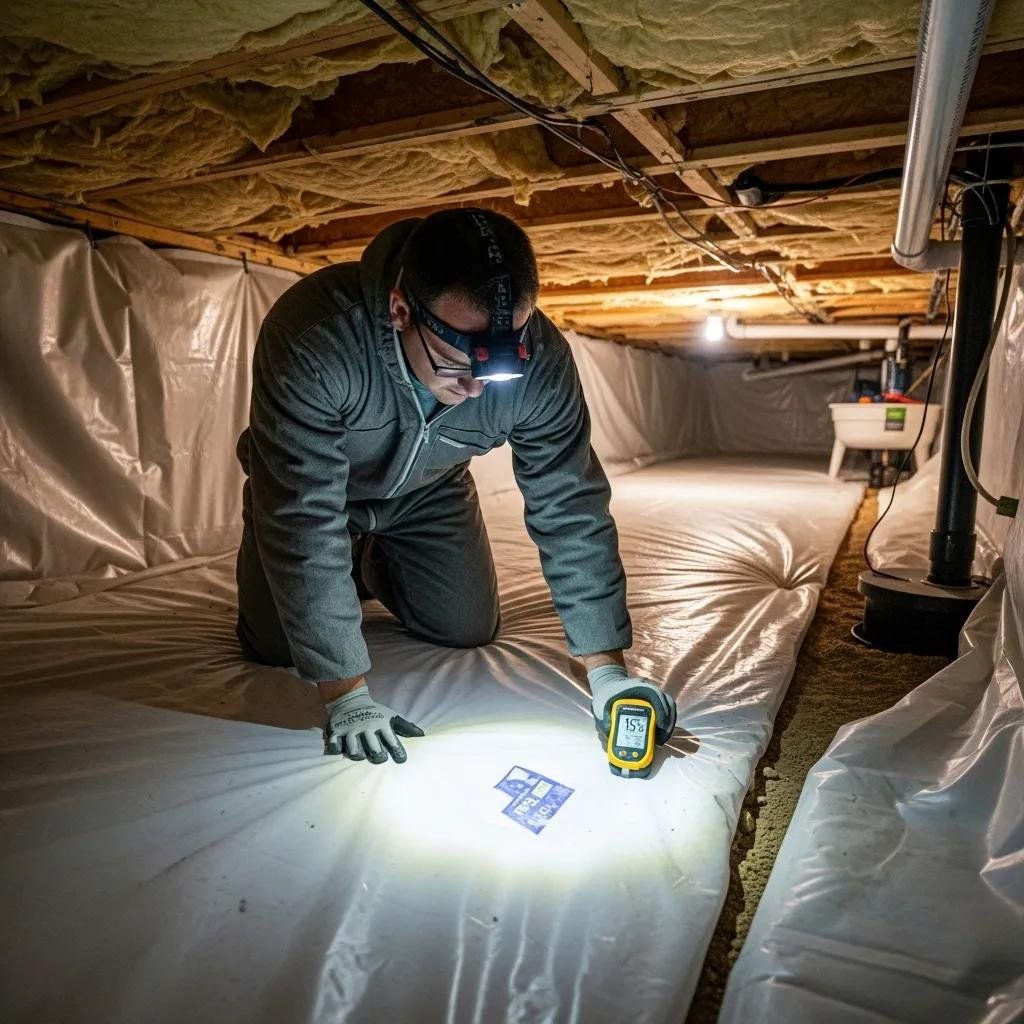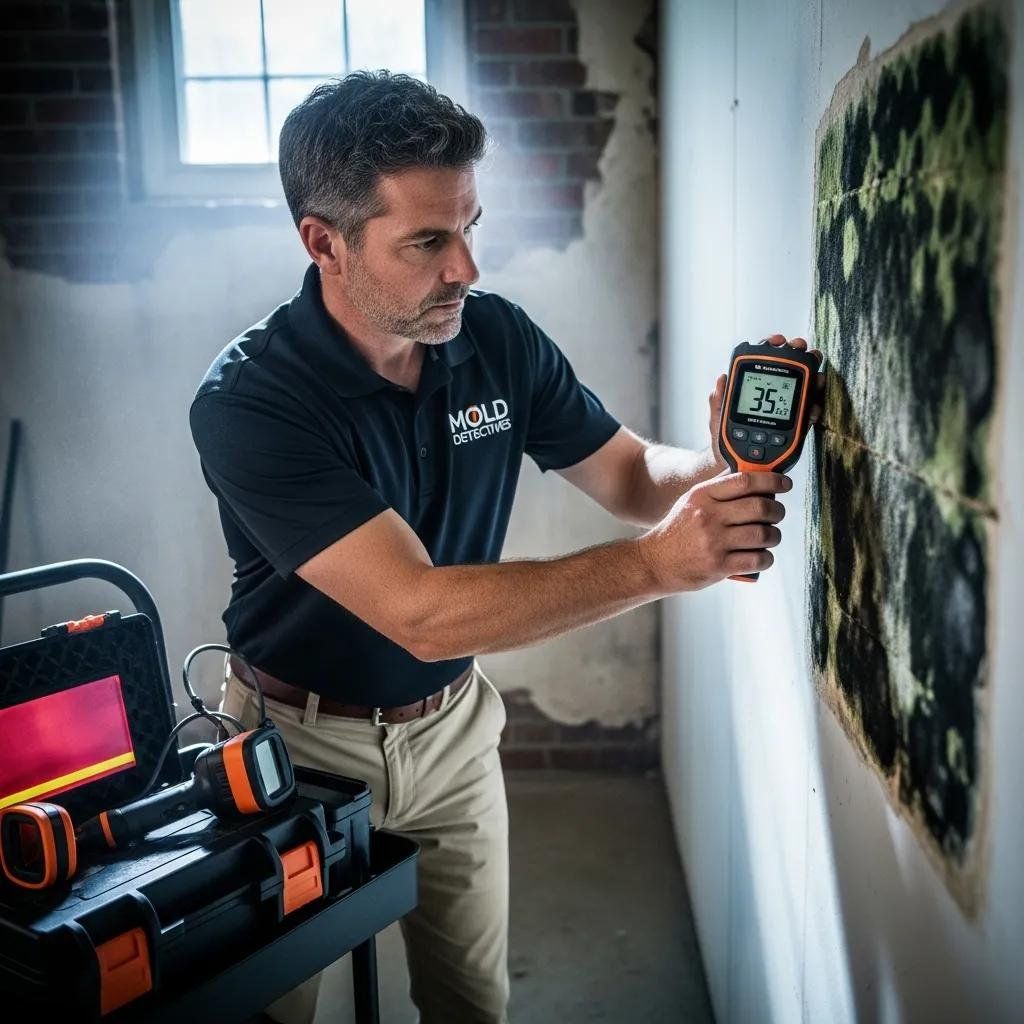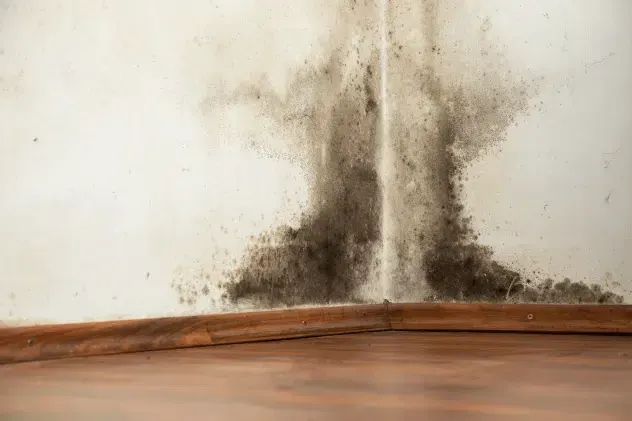
Mold can harm health and damage property. Professional mold inspections and air quality testing help homeowners and businesses identify contamination, plan remediation, and prevent recurrence. What Is Professional Mold Inspection and Why Is It Essential? A professional inspection evaluates a building to find mold, locate the moisture source, and estimate spread. Certified assessments reduce health risks, ensure proper cleanup, and protect property value by catching problems before they escalate. How Does Mold Affect Indoor Air Quality and Health? Mold lowers indoor air quality and can trigger respiratory and allergic symptoms. Because mold can start growing within 24–48 hours after moisture exposure, prompt water removal and remediation are important to limit spread and protect occupants. What Are the Common Signs of Mold in Homes and Businesses? Spotting mold early prevents larger repairs. Common signs include: Visible Mold Growth : Dark or discolored spots on surfaces. Musty Odors : A persistent damp smell suggesting hidden mold. Health Symptoms : New or worsening allergies, coughing, or skin irritation among occupants. When you see these signs, schedule a professional inspection promptly. A full assessment that combines what you can see and smell with technical checks is recommended by public health guidelines like those from NIOSH. NIOSH Mold Assessment for Water-Damaged Buildings Inspection of water damage/stains, visible mold, and wetness/dampness, along with an olfactory (smell) assessment, are central to identifying mold issues. How Does Our Mold Inspection Process Work? Inspections follow a clear workflow: assess affected areas, remove standing water, dry and dehumidify, clean and sanitize, then rebuild if needed. Technicians check visible mold, use moisture meters and thermal imaging for hidden dampness, and deploy pumps, dehumidifiers, and air movers as required. Containment and antimicrobial treatment are applied when appropriate. What Steps Are Involved in a Thorough Mold Assessment? A complete assessment typically includes: Visual Inspection : Room-by-room check for mold and water damage. Moisture Detection : Meters and infrared tools to locate hidden dampness. Air Sampling : Collecting samples to identify airborne spores and common strains. Combined, these steps show where mold is, how it’s spreading, and what’s causing the issue so the right remediation plan can be made. How Do Certified Technicians Use Air Quality Testing Methods?

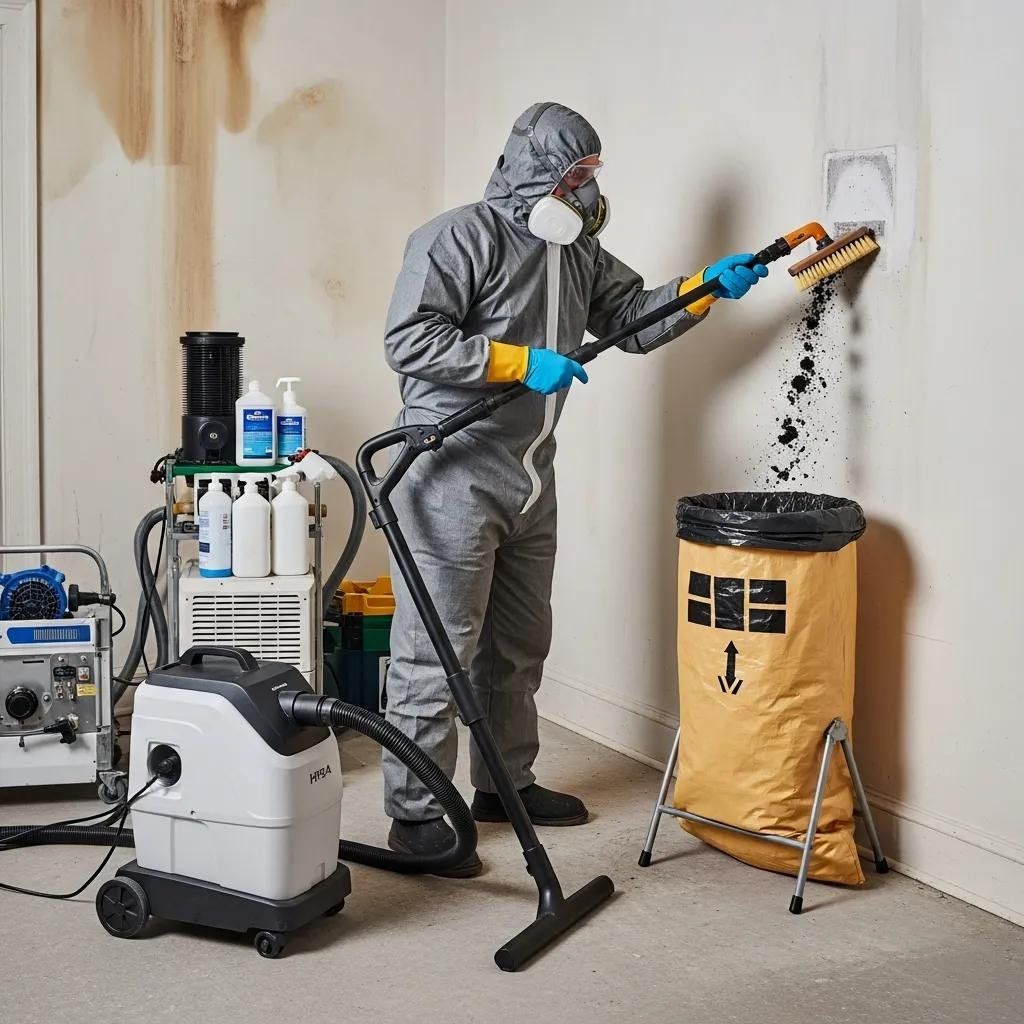
Stachybotrys chartarum, commonly called black mold , can threaten health and property when moisture problems persist. This guide explains how professionals identify and remove black mold, what affects cost, and why DIY fixes often fail — so you can make informed decisions. What Is Black Mold and Why Professional Removal Matters Black mold grows in damp conditions and can appear within 24–72 hours after moisture exposure. Professionals use containment, HEPA air filtration, and proven cleaning or removal methods to limit spread, protect occupants, and reduce the chance of recurrence. Carolina Pro Restoration offers 24/7 response with IICRC-certified technicians who follow industry standards to handle mold safely and limit property damage. How to Identify Stachybotrys chartarum in Your Home or Business

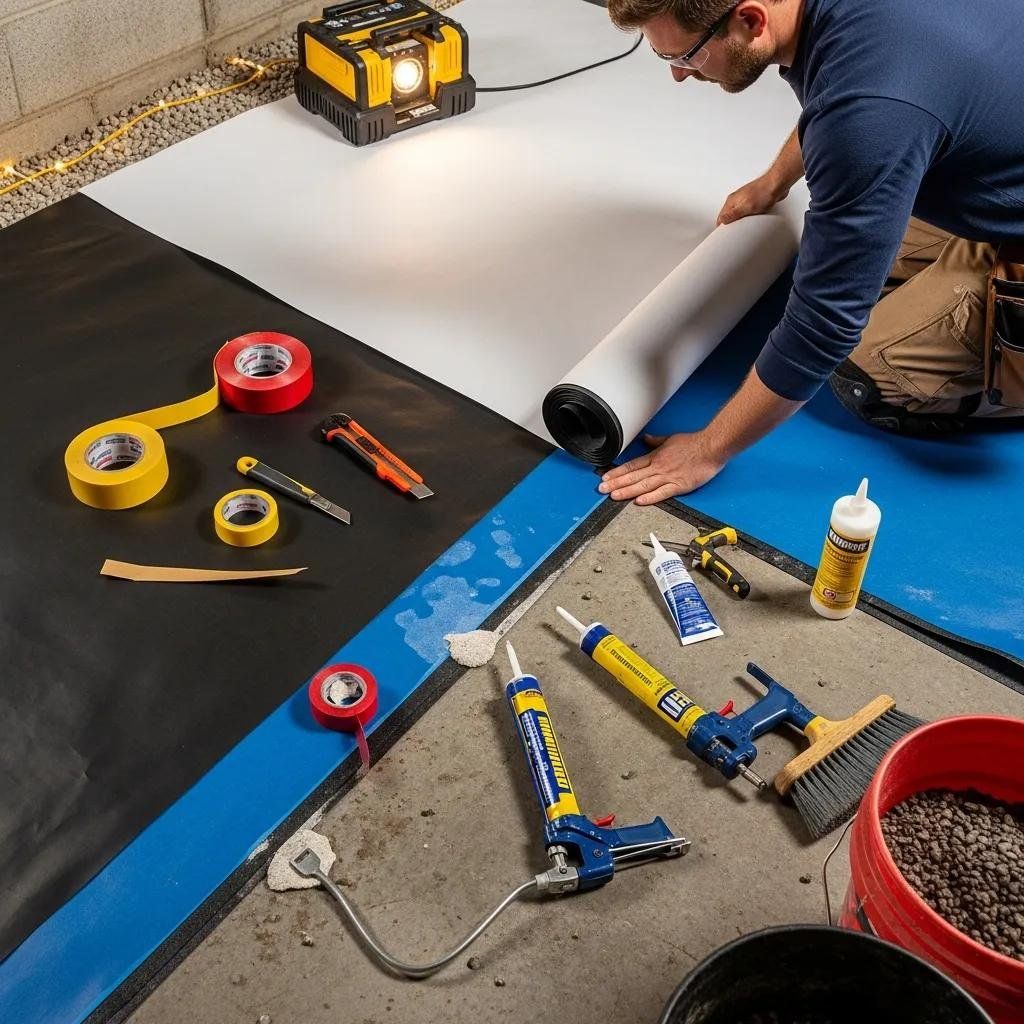
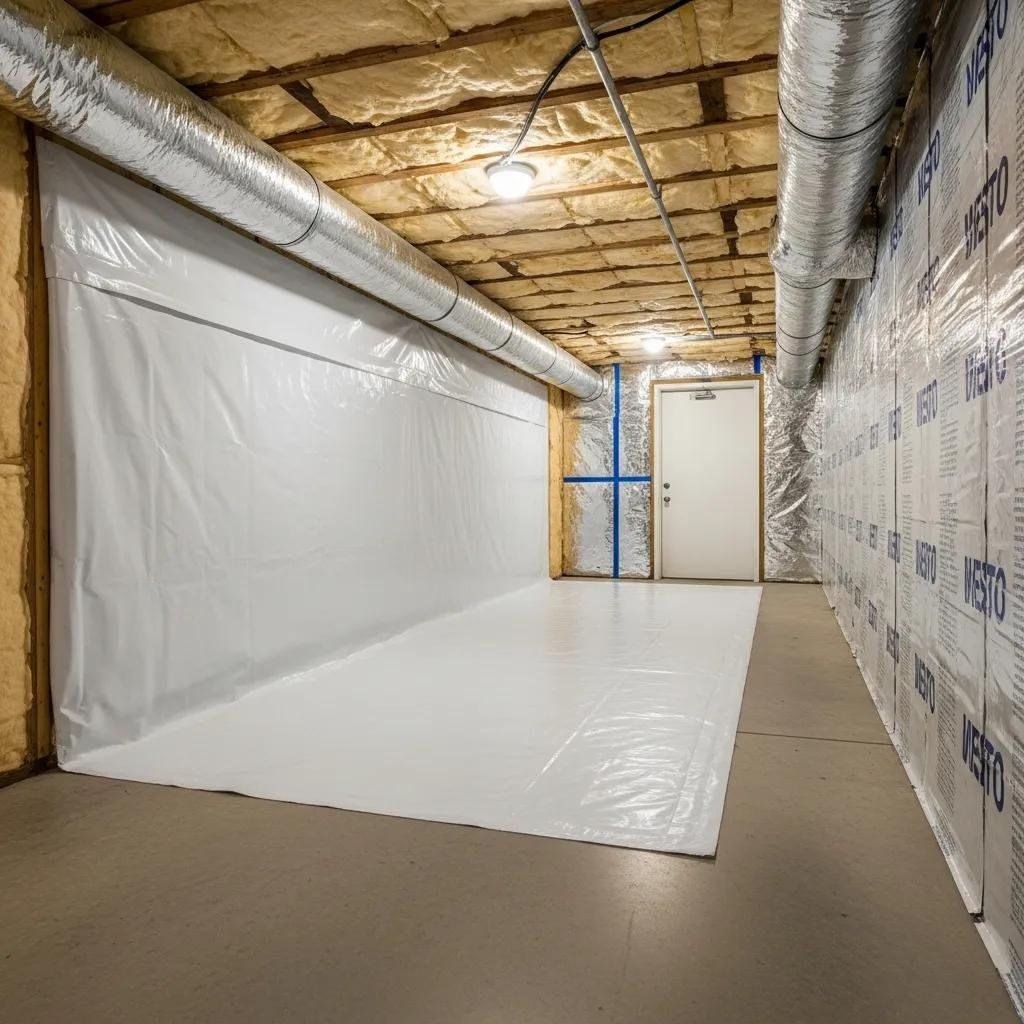
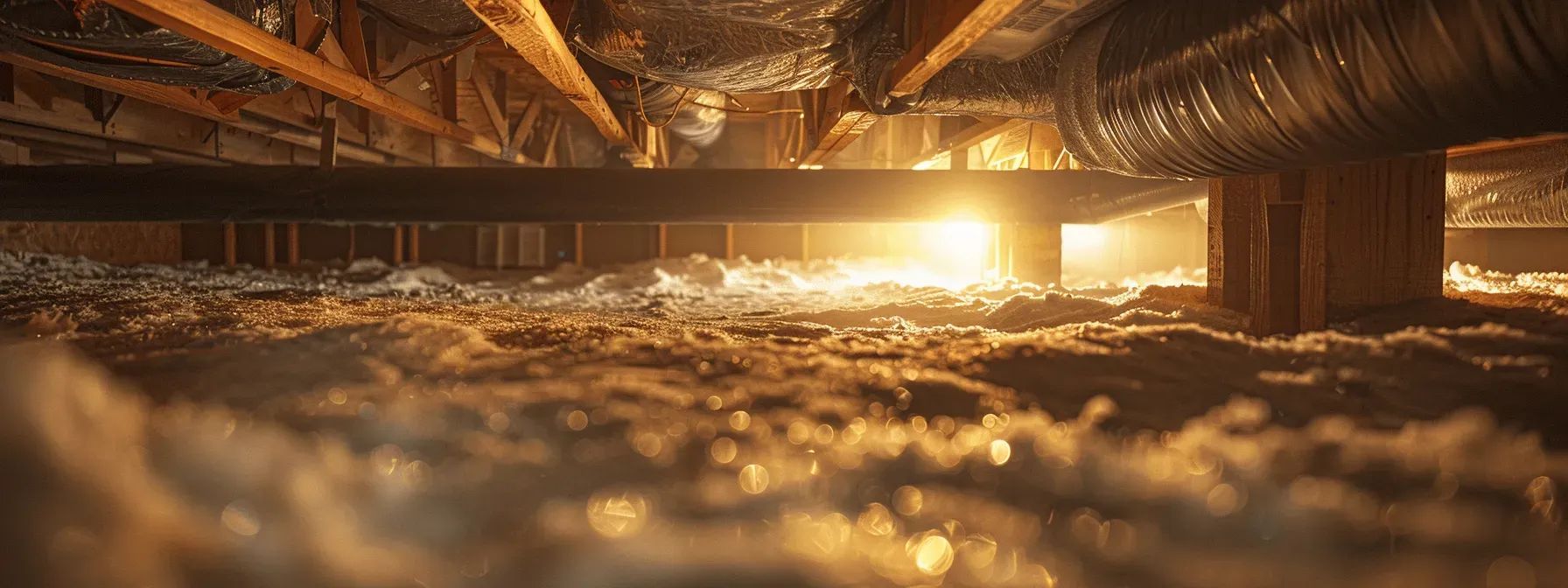
Keeping your crawl space dry protects your home’s structure and the air you breathe. Crawl space vapor barriers stop ground moisture before it becomes mold, wood rot, or musty air in your living spaces. This article explains why professional installation matters, how the system works, and when to repair or replace a damaged barrier so you can make the right choice for your property. What Are Crawl Space Vapor Barriers and How Do They Protect Your Home? A crawl space vapor barrier is a polyethylene liner installed over the soil beneath your house to block moisture from evaporating into the crawl space air. By limiting ground vapor, the liner lowers humidity, slows mold growth, and helps preserve wood and insulation—important benefits in humid climates. Definition and Purpose of Crawl Space Vapor Barriers Vapor barriers serve as a first line of defense against moisture rising from the ground. The liner is laid across the entire crawl space floor and sealed at seams and where it meets walls so soil moisture cannot enter the crawl space atmosphere. Properly chosen and installed materials resist tears and hold up to the conditions found under a home. How Vapor Barriers Prevent Moisture Intrusion and Mold Growth A continuous vapor barrier reduces crawl space humidity by sealing the soil surface. Lower humidity creates less favorable conditions for mold and mildew, which helps protect framing, insulation, and indoor air quality. In short, a properly installed liner reduces moisture-related problems before they start. Research supports the idea that sealed crawl spaces often outperform traditional vented designs for moisture control. Sealed Crawl Spaces: Superior Moisture Control & Performance A field study compared closed crawl spaces—sealed foundation vents, a continuous polyethylene liner, and controlled insulation and drying strategies—to conventional vented crawl spaces. In the humid southeastern U.S., properly sealed crawl spaces consistently produced much drier conditions than vented designs, making sealed construction an effective moisture-control approach. A Field Study Comparison of the Energy and Moisture Performance Characteristics of Ventilated Versus Sealed Crawl Spaces in the South, 2005 What Are the Key Benefits of Professional Vapor Barrier Installation? Professional installation delivers measurable benefits: it lowers mold risk, protects structural components, and can improve energy performance. Reduce Mold Risk and Protect Structural Integrity : Controlling ground moisture makes mold far less likely and prevents damp conditions that can rot wood and damage subfloor materials. Professional crews ensure seams, edges, and penetrations are sealed so the liner performs as intended. Improve Energy Efficiency and Indoor Air Quality : A sealed crawl space helps insulation work more effectively and reduces humid air migration into your home, easing the load on HVAC systems. That can mean lower energy use and fewer allergens circulating in your living space. Studies highlight the link between crawl space humidity, mold growth, and indoor air quality—underscoring why a proper vapor barrier is a worthwhile investment. Crawl Space Humidity, Mold Growth & Indoor Air Quality Relative humidity inside crawl spaces is the key driver of mold growth. Moisture problems below the house can transfer contaminants into the living space through pressure differences. Research examining ground covers and ventilation rates in cold climates found that controlling moisture in the crawl space is essential to protecting materials and indoor air quality. Moisture and fungal spore transport in outdoor air-ventilated crawl spaces in a cold climate, M Airaksinen, 2003 Locally, homeowners in the Fort Mill and Charlotte areas trust Carolina Pro Restoration for professional vapor barrier installation that keeps homes drier, cleaner, and more efficient. How Is a Crawl Space Vapor Barrier Installed?

Encapsulating a crawl space is a practical home improvement that tackles moisture, mold, and wasted energy. In this guide we explain the benefits of crawl space encapsulation — how it shields your home from water damage, improves indoor air quality, and lowers heating and cooling costs. If your home has dampness, mold, or high energy bills, a sealed crawl space is one of the most effective long-term fixes. Below we cover how encapsulation controls moisture, boosts efficiency, prevents mold, and what to expect. How Does Crawl Space Encapsulation Control Moisture and Protect Your Home?

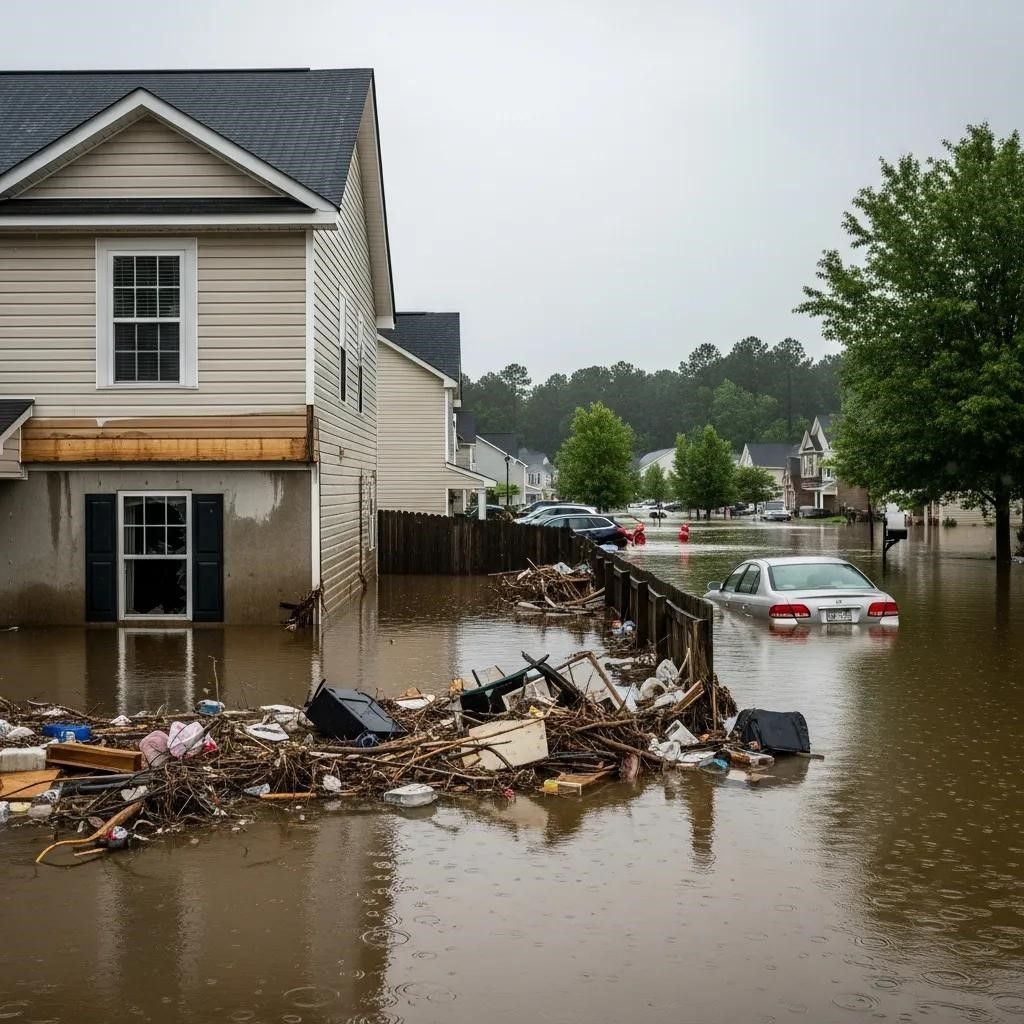
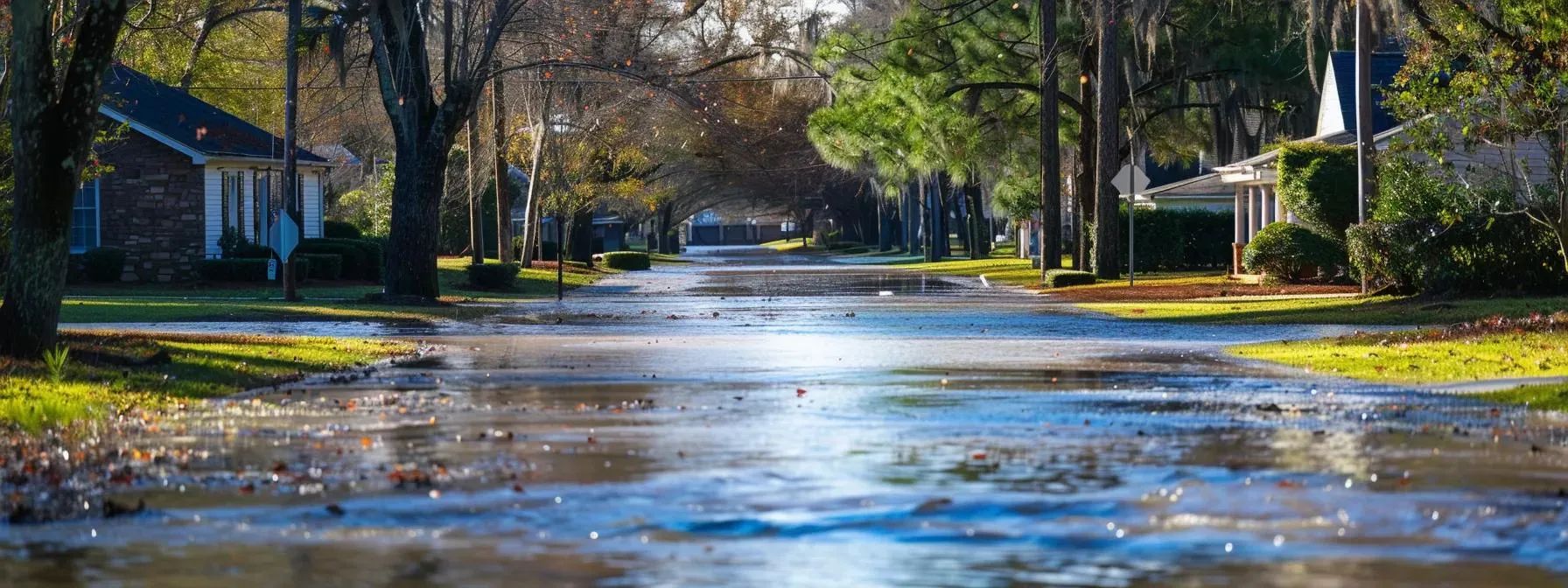
Fort Mill, South Carolina, has faced several flooding events that have affected homes and neighborhoods. This article walks through Fort Mill’s flood history, what typically causes water damage here, and practical steps homeowners can take to reduce risk. You’ll learn about major flood events, the role the Catawba River plays, and what to expect from emergency cleanup. Timely, professional restoration makes a big difference — and Carolina Pro Restoration is ready to help when you need it most. Fort Mill’s flooding history — how past events affect homes today Fort Mill’s flood record includes several notable incidents that shaped how the community prepares for water damage. Heavy storms and prolonged rainfall have flooded streets and properties, impacting both homes and businesses. Those events don’t just cause immediate repairs — they influence property values, insurance decisions, and local planning for years afterward. Which major floods have increased Fort Mill’s water damage risk?

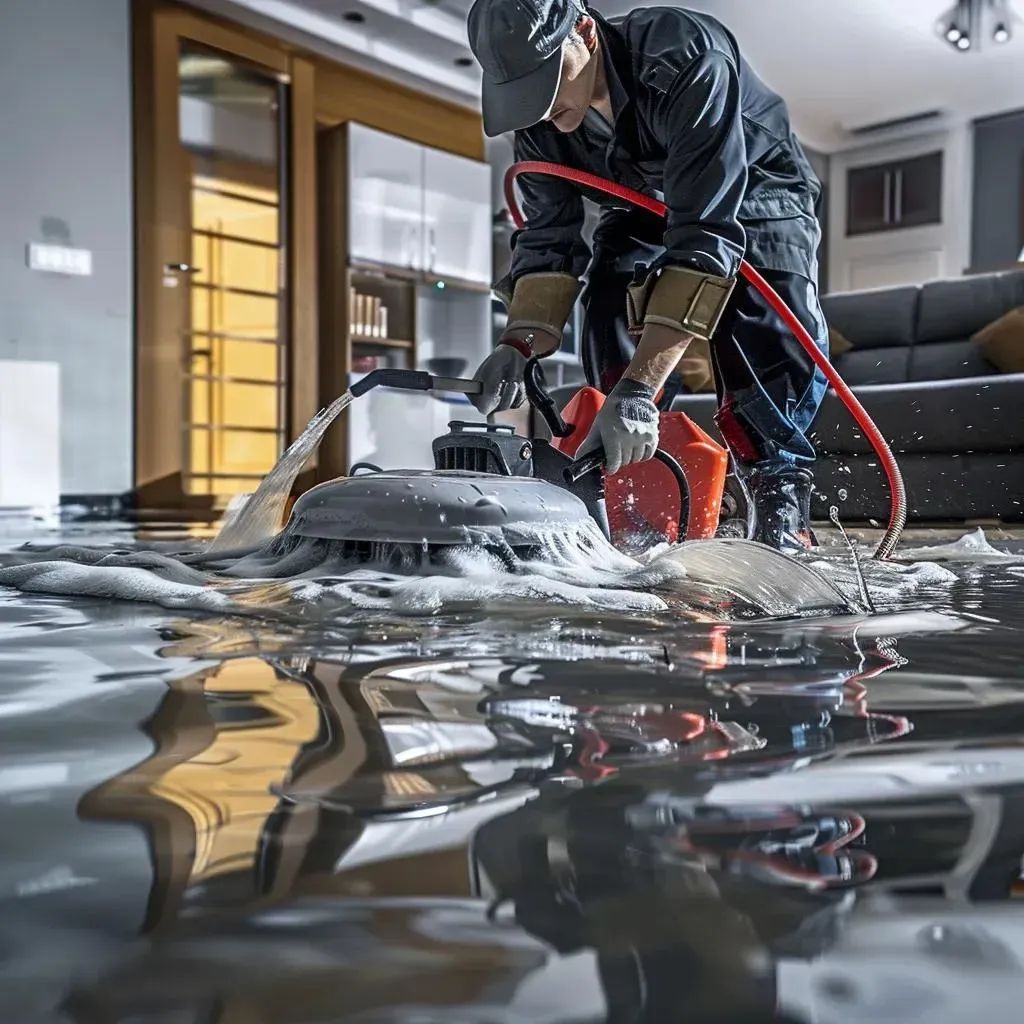
Water damage is one of the most stressful problems a homeowner can face — it can damage structures, ruin possessions and create health hazards fast. Navigating the complexities of water damage restoration requires expert knowledge and swift action. This comprehensive guide provides homeowners with critical insights into what to expect: from the meticulous cleanup sequence and emergency extraction tactics to the factors driving cost, and the definitive moments when professional intervention becomes essential. With this foundational understanding, you’ll be better prepared to protect your home and your family while repairs are underway, ensuring a thorough and lasting recovery. Contact Us for Immediate Assistance Facing Water Damage? Get Expert Help Now! Don't let water damage escalate. Our IICRC-certified professionals are ready to provide rapid, effective restoration services to protect your home and peace of mind. What Are the Key Steps in Water Damage Cleanup Services? Effective water damage cleanup follows a clear, methodical set of steps, adhering to industry standards like the IICRC S500, to limit loss and restore safety. It starts with a detailed assessment utilizing advanced tools such as thermal imaging cameras and moisture meters to precisely map where water went, how much is present, and which materials are affected. Next comes emergency extraction, employing powerful submersible pumps and industrial-grade wet vacuums to remove standing water quickly — stopping further structural damage and significantly lowering mold risk. Finally, professional-grade drying and dehumidification equipment remove trapped moisture from walls, floors, and contents, ensuring that repairs can proceed and hidden problems don’t reappear, preventing long-term issues. How Does Emergency Water Removal Protect Your Home? Fast water removal is paramount in preventing both short-term and long-term damage. Extracting standing water quickly reduces the chance of warped floors, swollen drywall, and weakened framing. Crucially, it also drastically cuts the window for mold growth — mold can gain a foothold within a critical 24–48 hours. A prompt and thorough extraction preserves your home’s structural integrity and significantly reduces health risks for everyone inside, making it the most critical initial step in any restoration process. What Is the Professional Process for Basement Flood Repair? Basement flood repair follows a methodical approach, beginning with a comprehensive assessment. Certified technicians first measure water levels and inspect affected areas to determine the appropriate equipment and safety protocols. Typical next moves include high-capacity water removal using submersible pumps, followed by targeted drying with industrial-grade dehumidifiers and high-volume air movers. This is complemented by repairs to any compromised walls, floors, or foundation elements. When structural components are affected, repairs are meticulously documented and carried out to stringent industry standards, ensuring the space is safe, dry, and fully usable again. Now that we’ve covered the cleanup basics, let’s look at how to prevent mold after water damage. How Can Homeowners Prevent Mold Growth After Water Damage?

Mold shows up in homes more often than most people expect — more than half of residences have visible or hidden fungal growth after water gets in. Picking a certified mold mitigation company doesn’t just clean the visible mess; it protects your indoor air, your health, and the value of your property. In this guide, we explain how mold spreads, when to call a pro, which credentials matter, and a clear seven-step process for evaluating local providers. You’ll get practical advice on spotting mold, what certified technicians look for during inspections, what drives cost, how remediation works, how to verify the job was done, and simple prevention steps to keep mold from coming back. Industry Insight: The Imperative of Professional Remediation Addressing mold effectively is not merely a cleaning task; it's a specialized process that demands adherence to rigorous industry standards. Professional remediation safeguards not only your property's structural integrity but also the long-term health of its occupants. Trusting certified experts is a critical investment in your home's future. What Mold Remediation Companies Do and Why Choosing the Right One Matters Mold remediation firms specialize in finding moisture problems, isolating contaminated areas, removing mold, and restoring spaces to safe, usable condition. Hiring experienced professionals means the work targets the source of the problem, avoids spreading spores to other areas, and follows industry standards — which helps prevent repeat infestations and costly repairs down the road. The U.S. Environmental Protection Agency (EPA) advises that "Mold cleanup should be conducted by professionals if the moldy area is larger than 10 square feet or if you suspect hidden mold." This guideline underscores the necessity of expert intervention for significant or concealed mold issues. Knowing what these companies do gives you the framework to judge their work and select the right team for your home. What a Mold Remediation Company Actually Does A remediation crew inspects affected areas, measures spore counts, sets up containment, applies treatments when needed, removes contaminated materials, and uses HEPA filtration to capture airborne spores. The goal is to return indoor air to safe levels and stop mold from coming back by fixing the moisture paths that allowed it to grow. Reputable firms follow standards such as IICRC S520 so the work is systematic and effective, ensuring a comprehensive and lasting solution. When you understand the typical workflow, it’s easier to compare proposals and spot companies that skip essential steps. How Mold Can Harm Your Home and Your Health Mold feeds on building materials and can cause wood to rot, drywall to break down, and structural elements to weaken. Breathing mold spores can trigger allergies, worsen asthma, and in some cases lead to longer-term respiratory issues. The Centers for Disease Control and Prevention (CDC) states that "mold exposure can cause a variety of health effects." World Health Organization. (2009). WHO Guidelines for Indoor Air Quality: Dampness and Mould . The World Health Organization links dampness and mold to respiratory symptoms, allergies, and asthma — all good reasons to choose a qualified remediation partner rather than hoping the problem resolves itself. The potential for chronic health issues and significant property damage makes professional intervention a critical necessity. Why You Should Trust Professional Mold Mitigation Over DIY Fixes Professional remediation teams combine trained technicians, the right equipment, and proven protocols to remove mold without spreading spores. DIY efforts often miss hidden colonies or lack proper containment, which can leave the house at risk for ongoing exposure. Pros use negative air, HEPA vacuums, and antimicrobial treatments so the cleanup is thorough and durable. Knowing the difference helps homeowners choose lasting solutions instead of temporary fixes, which often exacerbate the problem in the long run. How to Spot Mold Early — and When to Call a Professional Catching mold early limits damage and reduces restoration costs. Look for discoloration, persistent musty smells, and unexplained allergy symptoms. Small, visible patches in easy-to-reach places may be handled carefully at home, but anything hidden behind walls or under flooring should prompt a professional inspection using moisture meters, thermal imaging, and air testing to determine the true scope. Recognizing these warning signs helps you decide whether to act now or call an expert. Common Signs of Mold in Your Home