Safe, Effective Black Mold Removal: What to Expect and Typical Costs
Black mold can appear within 24–72 hours after moisture exposure. Learn how professionals identify and safely remove Stachybotrys chartarum and what it typically costs.
Stachybotrys chartarum, commonly called black mold , can threaten health and property when moisture problems persist. This guide explains how professionals identify and remove black mold, what affects cost, and why DIY fixes often fail — so you can make informed decisions.
What Is Black Mold and Why Professional Removal Matters
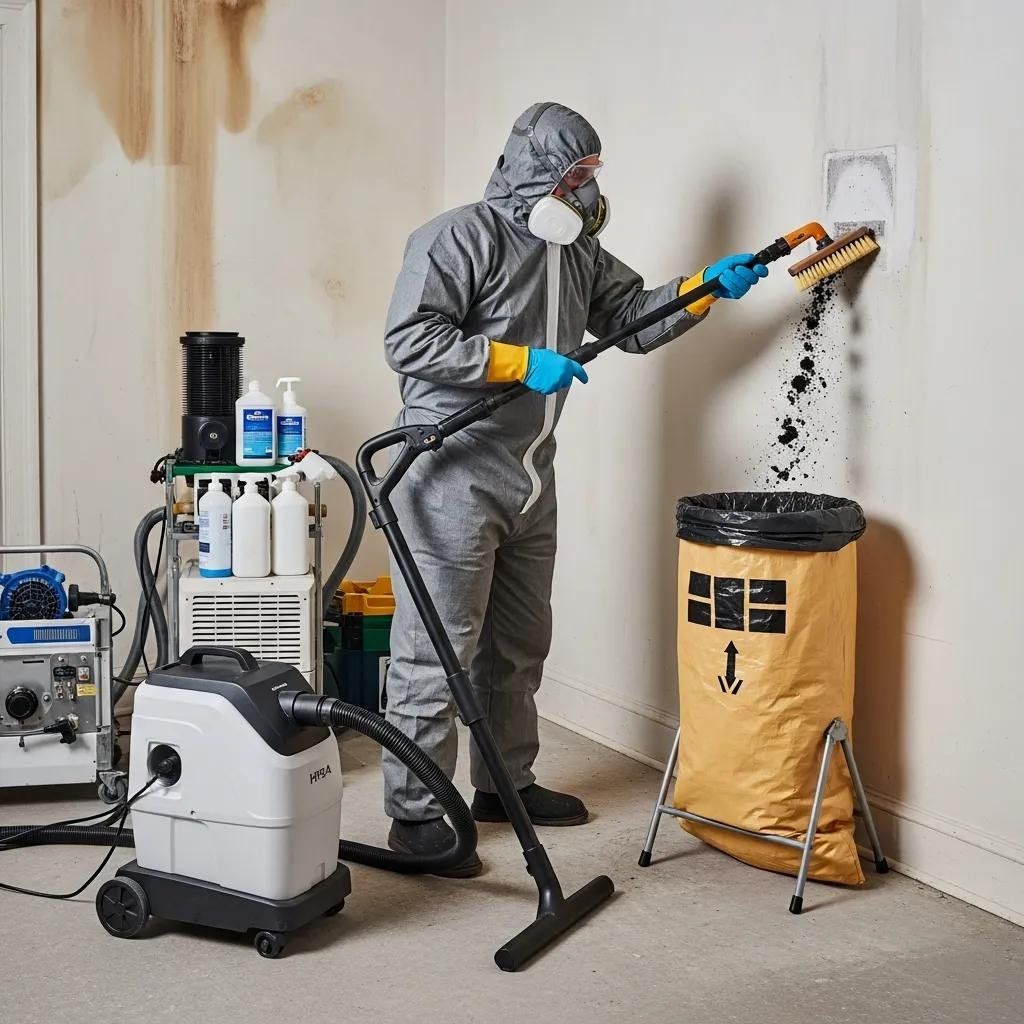
Black mold grows in damp conditions and can appear within 24–72 hours after moisture exposure. Professionals use containment, HEPA air filtration, and proven cleaning or removal methods to limit spread, protect occupants, and reduce the chance of recurrence.
Carolina Pro Restoration offers 24/7 response with IICRC-certified technicians who follow industry standards to handle mold safely and limit property damage.
How to Identify Stachybotrys chartarum in Your Home or Business
Common signs of S. chartarum include:
- Visible growth : Dark green, brown, or black patches on walls, ceilings, or other surfaces.
- Musty odor : A persistent damp smell that cleaning doesn’t remove.
- Water damage : Leaks, past flooding, or consistently high humidity.
Regular checks and prompt moisture control are the best prevention.
Health Risks from Toxic Black Mold Exposure
People with asthma, allergies, or weakened immune systems face greater risk. Typical problems include:
- Respiratory issues : Coughing, wheezing, difficulty breathing from airborne spores.
- Allergic reactions : Itchy eyes, skin irritation, sinus congestion.
- Worsening chronic conditions : Repeated exposure can aggravate asthma and other respiratory diseases.
These risks underscore the value of professional remediation.
Case reports and remediation studies link Stachybotrys chartarum exposure to serious respiratory outcomes and show that proper cleanup can remove the hazard.
Stachybotrys chartarum Remediation & Health Outcomes
Stachybotrys chartarum was identified in a home associated with pulmonary hemorrhage cases in the Cleveland area. A targeted remediation program removed contaminated wallboard, paneling, and carpeting from the water-damaged sections of the house; a sodium hypochlorite solution was applied to affected surfaces during cleanup. Although spore counts and toxicity were high during remediation, air samples taken after the work showed no detectable levels of S. chartarum or related toxicity.
Evaluation of Stachybotrys chartarum in the house of an infant with pulmonary hemorrhage: Quantitative assessment before, during, and after remediation, 2000
How Professional Black Mold Removal Works
Remediation follows a focused process to remove contamination and prevent return:
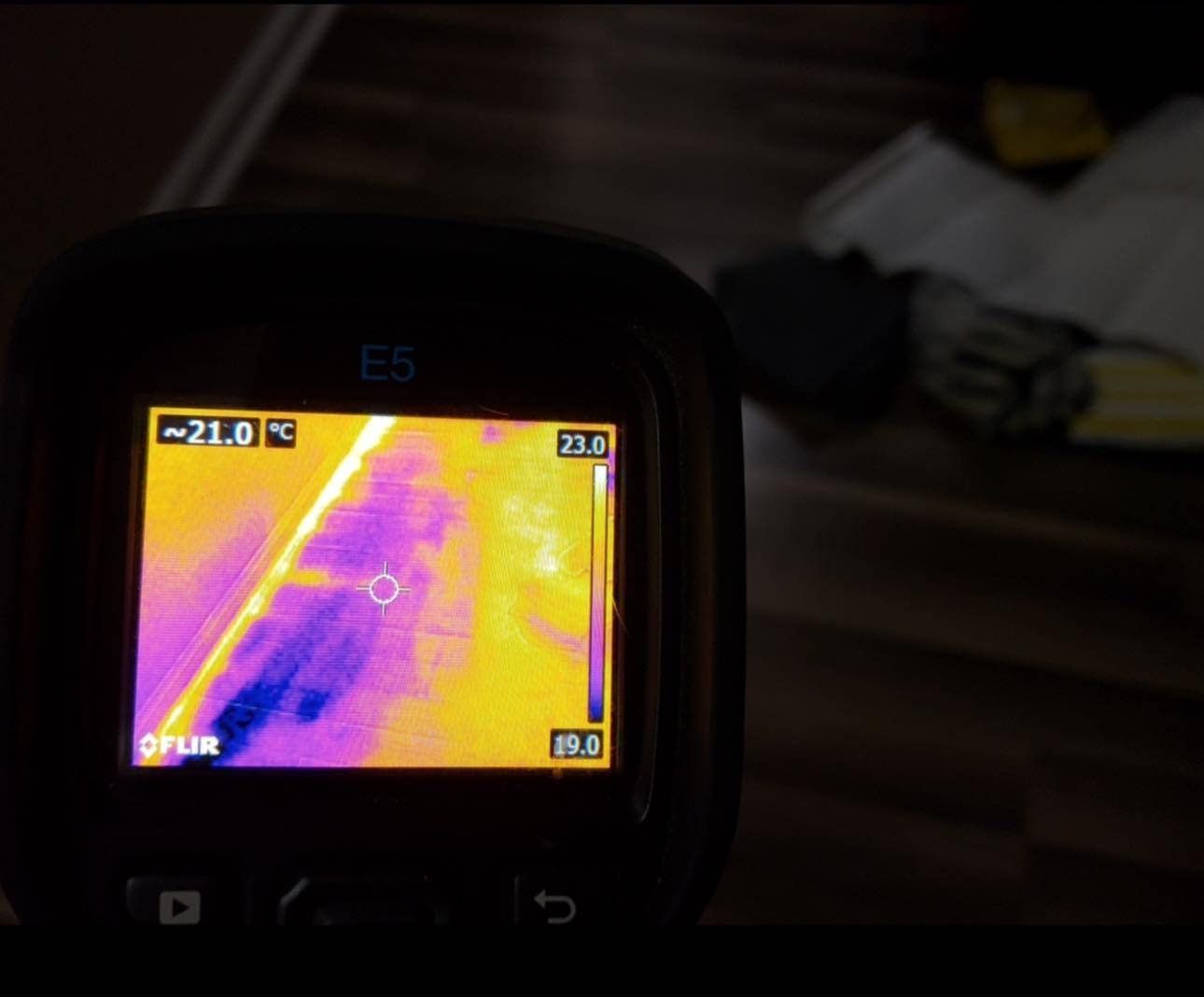
- Assessment : Inspect damage and measure moisture to map the problem.
- Containment : Isolate the work area to prevent cross-contamination.
- Air filtration : Use negative-air machines with HEPA filters to clear spores.
- Drying : Industrial dehumidifiers and air movers finish drying to stop regrowth.
- Sanitization : Final cleaning reduces remaining spores and contaminants.
- Reconstruction : Repair or replace damaged materials when necessary.
Following these steps limits spread, improves indoor air quality, and reduces recurrence risk.
Key Steps in the Mold Remediation Process
- Assessment : Confirm affected areas and moisture sources.
- Water extraction : Pump or vacuum standing water.
- Drying : Use industrial equipment to lower humidity quickly.
- Cleaning : HEPA vacuums and antimicrobial treatments remove spores from surfaces.
- Containment : Seal the work area to protect the rest of the property.
- Reconstruction : Replace materials as needed to complete the job.
Why Choose IICRC-Certified Specialists?
IICRC certification indicates training to industry standards for water and mold cleanup. Certified teams use proper equipment, follow documented procedures, and provide clear records—reducing health risk and property loss.
What Factors Influence Toxic Mold Remediation Cost?
Costs vary by infestation size, affected materials, and required methods. Key drivers include square footage of contamination, whether porous materials must be removed, and the need for reconstruction or testing.
Typical Black Mold Removal Costs in Charlotte, NC and Fort Mill, SC
Locally, removals commonly range from about $500 to $6,000. Final pricing depends on infestation size, materials affected, and any reconstruction required. Get multiple written estimates from certified professionals to compare scope and costs. For a town-by-town breakdown of what drives the number here, see black mold removal in Fort Mill.
Variables That Affect Pricing and Insurance Coverage
Price and insurance assistance depend on:
- Extent of damage : Bigger or deeper infestations cost more.
- Insurance policy : Coverage for mold varies; check policy details.
- Location : Local labor and service availability affect rates.
Knowing these variables helps when planning and working with your insurer.
Why DIY Black Mold Removal Is Risky — When to Call Pros
DIY work can spread spores and miss contaminated materials. Call professionals when mold covers more than 10 square feet, when occupants have health concerns, or when leaks and moisture sources aren’t resolved. Pros provide containment, testing, and equipment that protect people and property.
If you find widespread growth, strong mold odors, or unexplained symptoms, contact a certified remediation team promptly.
Dangers of Treating Black Mold at Home
Home treatments can cause:
- Health risks : Disturbing mold may release spores that worsen symptoms.
- Ineffective removal : Surface cleaning often leaves embedded mold behind.
- Property damage : Improper repairs can worsen structural problems.
Professional remediation reduces these risks and is generally the safer choice.
Laboratory and environmental studies support the use of specific antimicrobial treatments for controlling Stachybotrys chartarum under the right conditions.
Stachybotrys chartarum: Identification & Antimicrobial Response
Stachybotrys chartarum is commonly tied to indoor water intrusion. Research evaluating identification methods and antimicrobial responses found that agents like bleach were effective in treatment, while other approaches showed promise for prevention when used appropriately.
Stachybotrys chartarum: its identification and response to antimicrobial treatment and prevention, 2018
How Certified Professionals Secure a Safe, Effective Cleanup
Licensed, insured, and often IICRC-certified teams use specialized equipment for extraction and drying, apply antimicrobial treatments when appropriate, and identify the moisture source so mold won’t return. Prompt professional action limits damage and health risk.
Frequently Asked Questions
What are the signs of black mold in my home?
Dark or discolored patches, a persistent musty smell, or signs of past water damage. Increased indoor allergy-like symptoms can also indicate mold.
How can I prevent black mold from returning after removal?
Maintain indoor humidity near 30–50%, use dehumidifiers in damp areas, ventilate bathrooms and kitchens, fix leaks promptly, and inspect vulnerable spots regularly.
Are there any home remedies for black mold removal?
Vinegar or baking soda may help small, nonporous spots, but they rarely eliminate larger or embedded infestations—hire professionals for significant growth.
What should I do if I suspect mold in my rental property?
Notify your landlord or property manager, document the issue with photos and written notice, and contact housing or health authorities if the landlord does not act.
How long does the mold remediation process typically take?
Small jobs may finish in a few days; larger or reconstruction projects can take one to two weeks or more. Your provider should give an estimated timeline after assessment.
Can I stay in my home during mold remediation?
It depends on severity. Small, contained jobs may allow staying; large-scale remediation or significant health risks often require temporary relocation. Follow contractor guidance.
What should I look for when hiring a mold remediation service?
Choose a company with IICRC certification, proper licensing and insurance, good references, and clear remediation protocols. Ask about testing, containment, equipment, and post-remediation verification.
Official Carolina Pro Restoration Blog
Water Damage in Charlotte NC: What to Do in the First 24 Hours
Water Damage Restoration in Matthews NC: What Homeowners Need to Know
How to File a Water Damage Insurance Claim in South Carolina
Dealing With Water Damage Right Now?
Our Fort Mill team answers 24/7 and can be on site fast. One call, one crew, start to finish.