Professional Mold Inspections & Air Quality Testing — Trusted Service for Fort Mill and Charlotte
Mold can harm your health and damage your property. Learn what professional mold inspections and air quality testing involve and when to call Carolina Pro Restoration.
Mold can harm health and damage property. Professional mold inspections and air quality testing help homeowners and businesses identify contamination, plan remediation, and prevent recurrence.
What Is Professional Mold Inspection and Why Is It Essential?
A professional inspection evaluates a building to find mold, locate the moisture source, and estimate spread. Certified assessments reduce health risks, ensure proper cleanup, and protect property value by catching problems before they escalate.
How Does Mold Affect Indoor Air Quality and Health?
Mold lowers indoor air quality and can trigger respiratory and allergic symptoms. Because mold can start growing within 24–48 hours after moisture exposure, prompt water removal and remediation are important to limit spread and protect occupants.
What Are the Common Signs of Mold in Homes and Businesses?
Spotting mold early prevents larger repairs. Common signs include:
- Visible Mold Growth : Dark or discolored spots on surfaces.
- Musty Odors : A persistent damp smell suggesting hidden mold.
- Health Symptoms : New or worsening allergies, coughing, or skin irritation among occupants.
When you see these signs, schedule a professional inspection promptly.
A full assessment that combines what you can see and smell with technical checks is recommended by public health guidelines like those from NIOSH.
NIOSH Mold Assessment for Water-Damaged Buildings
Inspection of water damage/stains, visible mold, and wetness/dampness, along with an olfactory (smell) assessment, are central to identifying mold issues.
How Does Our Mold Inspection Process Work?
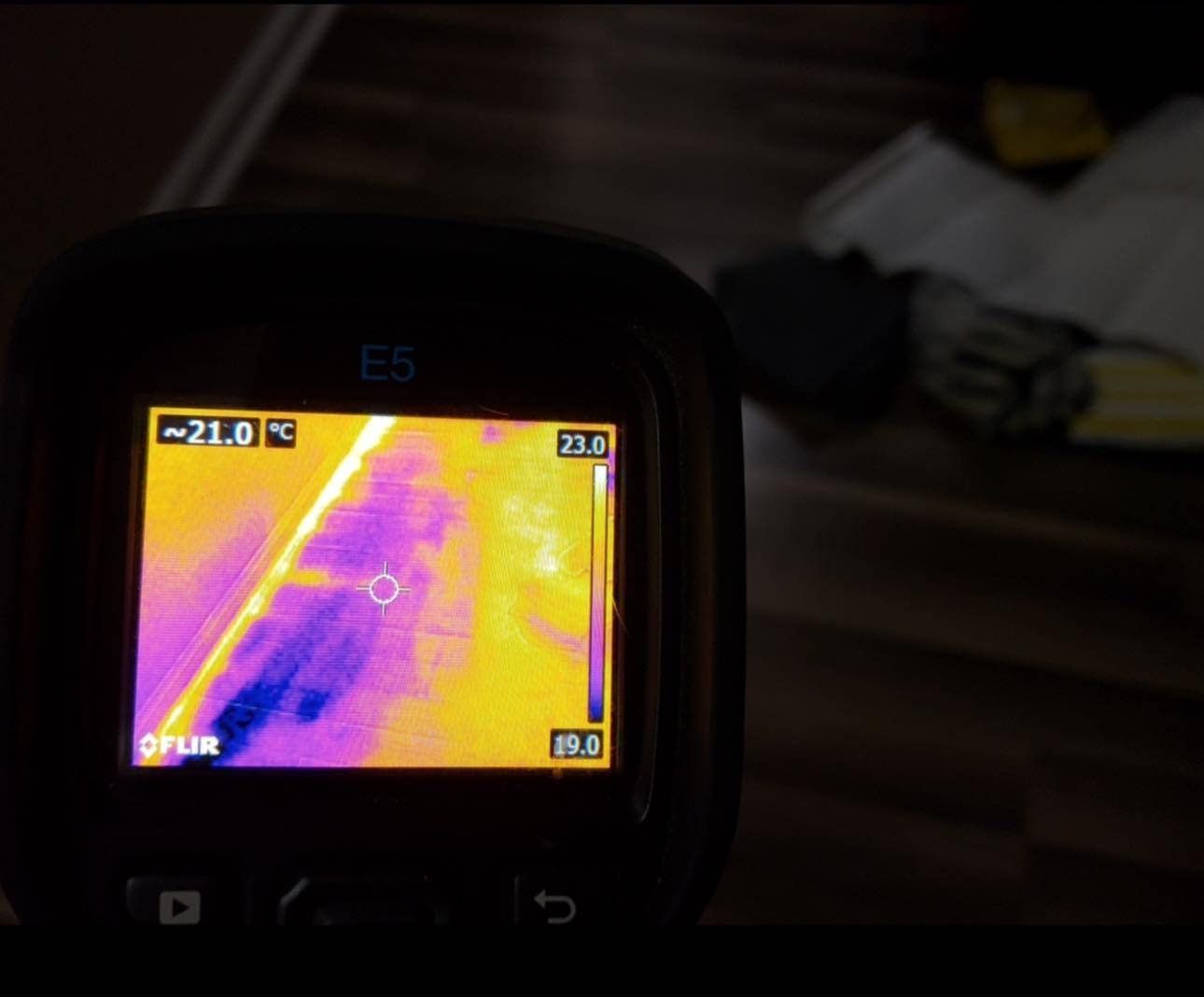
Inspections follow a clear workflow: assess affected areas, remove standing water, dry and dehumidify, clean and sanitize, then rebuild if needed. Technicians check visible mold, use moisture meters and thermal imaging for hidden dampness, and deploy pumps, dehumidifiers, and air movers as required. Containment and antimicrobial treatment are applied when appropriate.
What Steps Are Involved in a Thorough Mold Assessment?
A complete assessment typically includes:
- Visual Inspection : Room-by-room check for mold and water damage.
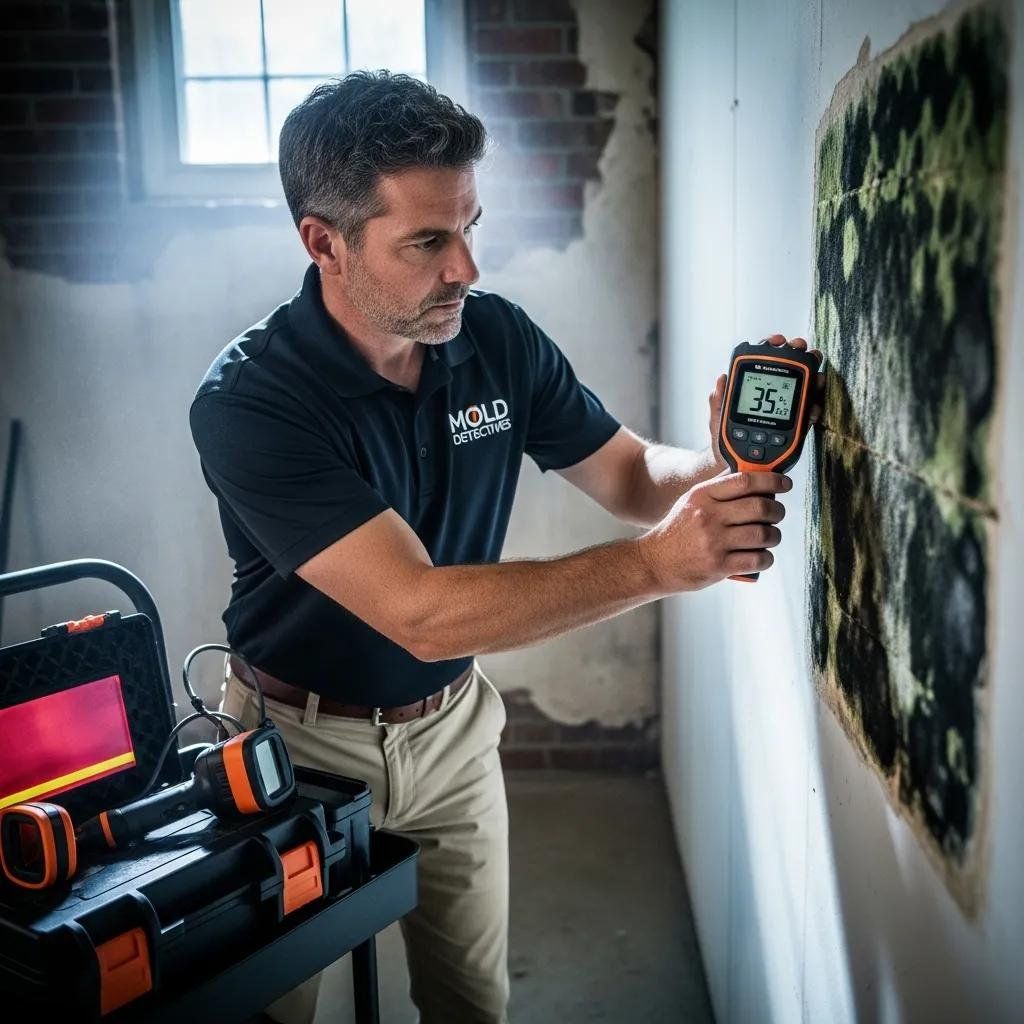
- Moisture Detection : Meters and infrared tools to locate hidden dampness.
- Air Sampling : Collecting samples to identify airborne spores and common strains.
Combined, these steps show where mold is, how it’s spreading, and what’s causing the issue so the right remediation plan can be made.
How Do Certified Technicians Use Air Quality Testing Methods?
Knowing typical costs helps you plan when to call a pro and how to budget for any remediation.
How Does Professional Mold Testing Compare to DIY Kits?
Professional testing is generally more reliable because of calibrated instruments, controlled sampling, and expert result interpretation. Pros evaluate the whole property rather than a single spot, giving a clearer action plan.
What Factors Influence Mold Inspection and Air Quality Testing Costs in Fort Mill and Charlotte?
Costs depend on property size, extent of contamination, and local market rates. Larger or more contaminated properties need more time and testing; regional labor and lab fees also affect pricing. Our inspection is free — see what it covers on our Fort Mill mold removal page.
How Can You Prevent Mold Growth After Inspection and Testing?
After inspection, reduce risk by keeping indoor humidity below 50%, repairing leaks quickly, improving ventilation in wet areas, and checking moisture-prone spaces regularly. Routine HVAC and gutter maintenance also help prevent water intrusion.
What Are Effective Mold Prevention Strategies for Homes and Businesses?
- Maintain Indoor Humidity : Keep relative humidity low.
- Repair Leaks Promptly : Fix plumbing or roof leaks immediately.
- Ensure Proper Ventilation : Use exhaust fans and encourage airflow.
- Schedule Periodic Moisture Inspections : Check behind appliances and in basements.
- Regular HVAC and Gutter Maintenance : Prevent system or roof runoff from causing dampness.
Consistent prevention habits reduce the chance of recurrence and support healthier indoor air.
Keeping humidity in check is especially important in humid climates where mold thrives and can affect occupant health.
Preventing Mold & Maintaining Indoor Air Quality
Buildings in hot, humid climates are at higher risk for elevated indoor humidity and mold growth, which can harm occupant well-being. Managing ventilation and humidity helps maintain safe indoor conditions.
How Does Timely Mold Inspection Support Long-Term Indoor Air Quality?
Timely inspections catch moisture and mold early so remediation can prevent health impacts and costly repairs. Regular checks help preserve indoor air quality and reduce the chance of recurring problems.
Frequently Asked Questions
Avoid disturbing the area and call a professional. A certified inspector will assess risk, recommend testing if needed, and outline remediation steps.
Frequency depends on property age, water history, and climate. Consider annual checks for moisture-prone buildings and always inspect after major water events.
Yes. Mold can grow behind walls, under flooring, and inside HVAC systems. Moisture detection and targeted sampling help find hidden growth.
Mold exposure can cause allergy-like symptoms and worsen respiratory conditions; vulnerable individuals may face higher risk. Removing mold and fixing moisture sources reduces those risks.
There are typically no separate local mold-inspection laws; building codes and health guidelines apply. Local health departments or licensed inspectors can advise on requirements and best practices.
Expect a visual inspection, moisture measurements, and sample collection when appropriate. You’ll receive a report with findings and recommended next steps.
Choose companies with certified technicians, clear processes, and good local reviews. Ask about credentials, sample handling, and reporting before hiring.
Technicians commonly use several testing methods to assess mold and indoor air quality, including:
- Spore Traps : Capture airborne spores for lab analysis.
- Bulk Sampling : Remove pieces of suspect material for testing.
- Surface Sampling : Swabs to identify localized growth.
These tests clarify indoor conditions and guide safe, effective remediation.
Academic reviews note that spore counts are a common microbiological metric used when evaluating dampness and mold in buildings.
Evidence for Spore Count Mold Detection in Buildings
To identify dampness or mold (D/M), investigators typically document observable indicators and may use microbiological measures such as spore counts; this literature review examines the evidence supporting those practices.
What Are the Benefits and Costs of Professional Mold Testing?
Professional testing provides more accurate sampling and expert interpretation than most DIY kits. While costs vary by property size and contamination, early professional detection can avoid larger repairs. To request an inspection, you can contact Carolina Pro Restoration for an estimate.
Official Carolina Pro Restoration Blog
Water Damage in Charlotte NC: What to Do in the First 24 Hours
Water Damage Restoration in Matthews NC: What Homeowners Need to Know
How to File a Water Damage Insurance Claim in South Carolina
Dealing With Water Damage Right Now?
Our Fort Mill team answers 24/7 and can be on site fast. One call, one crew, start to finish.