Professional Crawl Space Vapor Barrier Installation — Moisture Control & Mold Prevention
A crawlspace vapor barrier stops ground moisture before it becomes mold, wood rot, or musty air. Learn how professional installation works and when to repair or replace yours.
Keeping your crawl space dry protects your home’s structure and the air you breathe. Crawl space vapor barriers stop ground moisture before it becomes mold, wood rot, or musty air in your living spaces. This article explains why professional installation matters, how the system works, and when to repair or replace a damaged barrier so you can make the right choice for your property.
What Are Crawl Space Vapor Barriers and How Do They Protect Your Home?
A crawl space vapor barrier is a polyethylene liner installed over the soil beneath your house to block moisture from evaporating into the crawl space air. By limiting ground vapor, the liner lowers humidity, slows mold growth, and helps preserve wood and insulation—important benefits in humid climates.
Definition and Purpose of Crawl Space Vapor Barriers
Vapor barriers serve as a first line of defense against moisture rising from the ground. The liner is laid across the entire crawl space floor and sealed at seams and where it meets walls so soil moisture cannot enter the crawl space atmosphere. Properly chosen and installed materials resist tears and hold up to the conditions found under a home.
How Vapor Barriers Prevent Moisture Intrusion and Mold Growth
A continuous vapor barrier reduces crawl space humidity by sealing the soil surface. Lower humidity creates less favorable conditions for mold and mildew, which helps protect framing, insulation, and indoor air quality. In short, a properly installed liner reduces moisture-related problems before they start.
Research supports the idea that sealed crawl spaces often outperform traditional vented designs for moisture control.
Sealed Crawl Spaces: Superior Moisture Control & Performance
A field study compared closed crawl spaces—sealed foundation vents, a continuous polyethylene liner, and controlled insulation and drying strategies—to conventional vented crawl spaces. In the humid southeastern U.S., properly sealed crawl spaces consistently produced much drier conditions than vented designs, making sealed construction an effective moisture-control approach.
A Field Study Comparison of the Energy and Moisture Performance Characteristics of Ventilated Versus Sealed Crawl Spaces in the South, 2005
What Are the Key Benefits of Professional Vapor Barrier Installation?
Professional installation delivers measurable benefits: it lowers mold risk, protects structural components, and can improve energy performance.
Studies highlight the link between crawl space humidity, mold growth, and indoor air quality—underscoring why a proper vapor barrier is a worthwhile investment.
Crawl Space Humidity, Mold Growth & Indoor Air Quality
Relative humidity inside crawl spaces is the key driver of mold growth. Moisture problems below the house can transfer contaminants into the living space through pressure differences. Research examining ground covers and ventilation rates in cold climates found that controlling moisture in the crawl space is essential to protecting materials and indoor air quality.
Moisture and fungal spore transport in outdoor air-ventilated crawl spaces in a cold climate, M Airaksinen, 2003
Locally, homeowners in the Fort Mill and Charlotte areas trust Carolina Pro Restoration for professional vapor barrier installation that keeps homes drier, cleaner, and more efficient.
How Is a Crawl Space Vapor Barrier Installed?
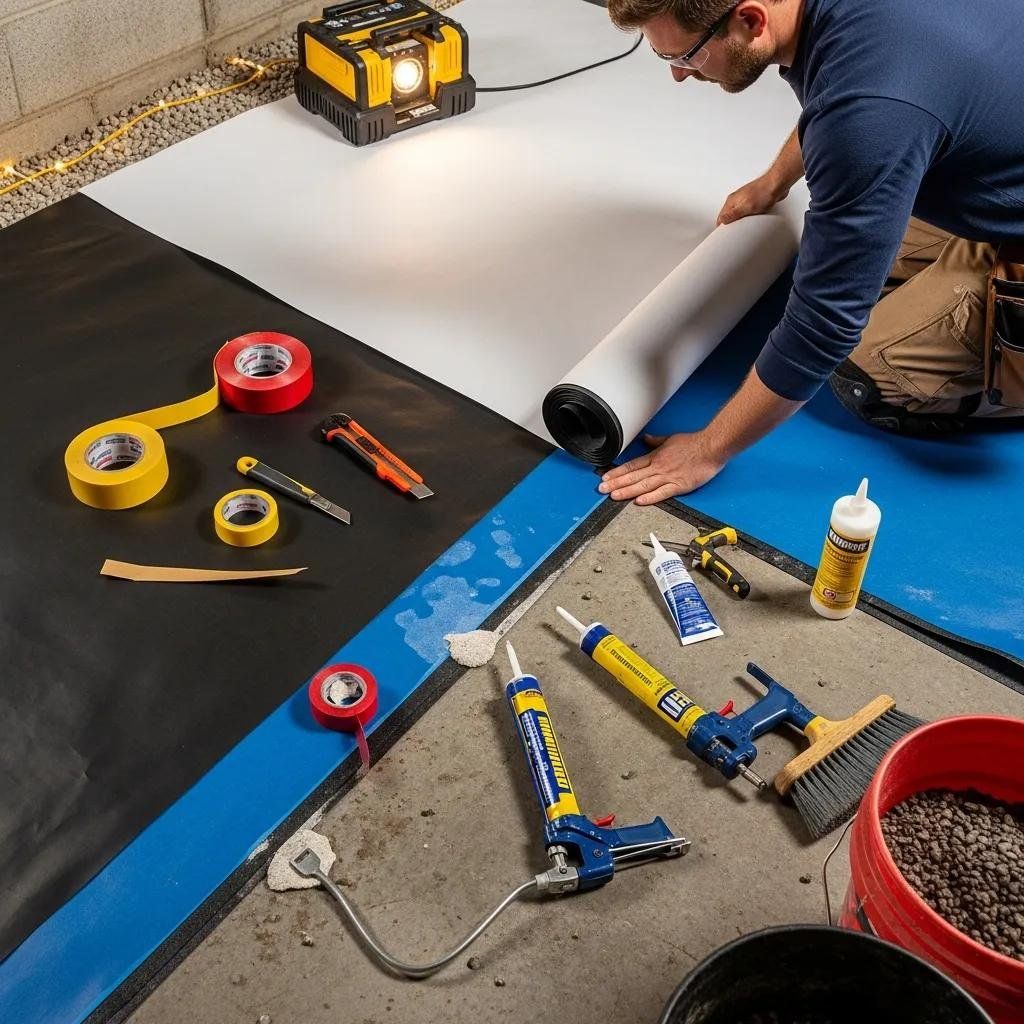
Installation follows a methodical process to ensure the barrier performs over time. Professionals use durable polyethylene sheeting and industry-standard sealing methods to create a continuous moisture barrier beneath the house.
Materials Used: Polyethylene Sheets and Sealing Techniques
Polyethylene sheeting is standard because it resists moisture and tears. Thickness typically ranges from 6 mil to 20 mil; 10 mil or thicker is commonly recommended for crawl spaces to balance durability and cost. Installers also use compatible tape, adhesives, and mechanical fasteners to seal seams, edges, and penetrations so the system stays watertight.
Step-by-Step Installation Process for Effective Moisture Control
The typical installation includes:
- Preparation : Remove debris and make sure the crawl space is dry and accessible.
- Measurement and Cutting : Measure the area and cut sheets to size for proper overlap and fit.
- Installation : Lay the sheets across the entire crawl space floor, overlapping seams by at least 12 inches.
- Sealing : Seal seams, edges, and wall connections with tape or adhesive designed for vapor barriers.
- Final Inspection : Inspect the work to confirm all gaps are closed and the liner is secure.
Following these steps helps ensure the liner delivers long-term moisture protection for your crawl space.
When Should You Consider Vapor Barrier Repair or Replacement?
Vapor barriers can wear over time or be damaged by pests, shifting soil, or plumbing issues. Knowing the warning signs helps you act before moisture causes bigger problems.
Signs You Need Professional Vapor Barrier Services
Look for visible moisture, mold spots, tears or holes in the liner, pooled water, or a persistent musty smell from the crawl space. If you notice any of these issues, contact our team to inspect the situation and recommend repair or replacement.
Maintenance Tips to Extend Vapor Barrier Lifespan
Simple maintenance extends a liner’s service life: inspect the crawl space regularly, fix plumbing leaks promptly, ensure gutters and grading direct water away from the foundation, and remove debris that can abrade the material. These steps help your vapor barrier remain effective for years.
This table highlights the primary benefits of a professionally installed vapor barrier and the level of impact each delivers for home health and efficiency.
Frequently Asked Questions
What is the average cost of installing a crawl space vapor barrier?
Costs vary with crawl space size, access, chosen materials, and local labor rates. Expect most professional installations to fall between $1,500 and $3,500. Getting multiple quotes helps you compare scope, materials, and warranties so you can make an informed choice.
How long does a crawl space vapor barrier last?
With quality materials and proper installation, a vapor barrier typically lasts 10 to 20 years. Lifespan depends on factors like humidity, soil conditions, physical wear, and ongoing maintenance. Timely repairs extend service life and maintain protection.
Can I install a vapor barrier myself, or should I hire a professional?
Do-it-yourself installation is possible for experienced homeowners, but professionals bring tools, materials, and techniques that reduce the risk of gaps, improper sealing, or short-lived results. If you’re unsure about access, material selection, or sealing details, hire a pro to ensure the job is done right.
What maintenance is required for a crawl space vapor barrier?
Regular inspections, keeping the area clear of debris, repairing plumbing or drainage problems, and ensuring the liner remains sealed around penetrations are the main maintenance items. These steps keep the barrier working as intended.
Are there any health risks associated with a damaged vapor barrier?
Yes. A compromised barrier can allow higher humidity and mold growth in the crawl space, which can release spores and odors into the home and potentially trigger respiratory issues or allergies. Addressing damage quickly reduces health risks and further structural harm.
What types of materials are used for vapor barriers?
Polyethylene sheeting is the standard choice. Thickness ranges from 6 mil to 20 mil; thicker materials (10 mil or more) are recommended for crawl spaces where durability matters. Some products add reinforcement or other features to resist punctures and extend longevity. Choose materials suited to your home’s conditions for best results.
Official Carolina Pro Restoration Blog
Water Damage in Charlotte NC: What to Do in the First 24 Hours
Water Damage Restoration in Matthews NC: What Homeowners Need to Know
How to File a Water Damage Insurance Claim in South Carolina
Dealing With Water Damage Right Now?
Our Fort Mill team answers 24/7 and can be on site fast. One call, one crew, start to finish.