Why Encapsulate Your Crawl Space? Reduce Moisture, Stop Mold, and Lower Energy Bills
Crawlspace encapsulation reduces moisture, stops mold growth, and can lower energy bills. Learn why Fort Mill and Charlotte homeowners choose encapsulation over vented crawlspaces.
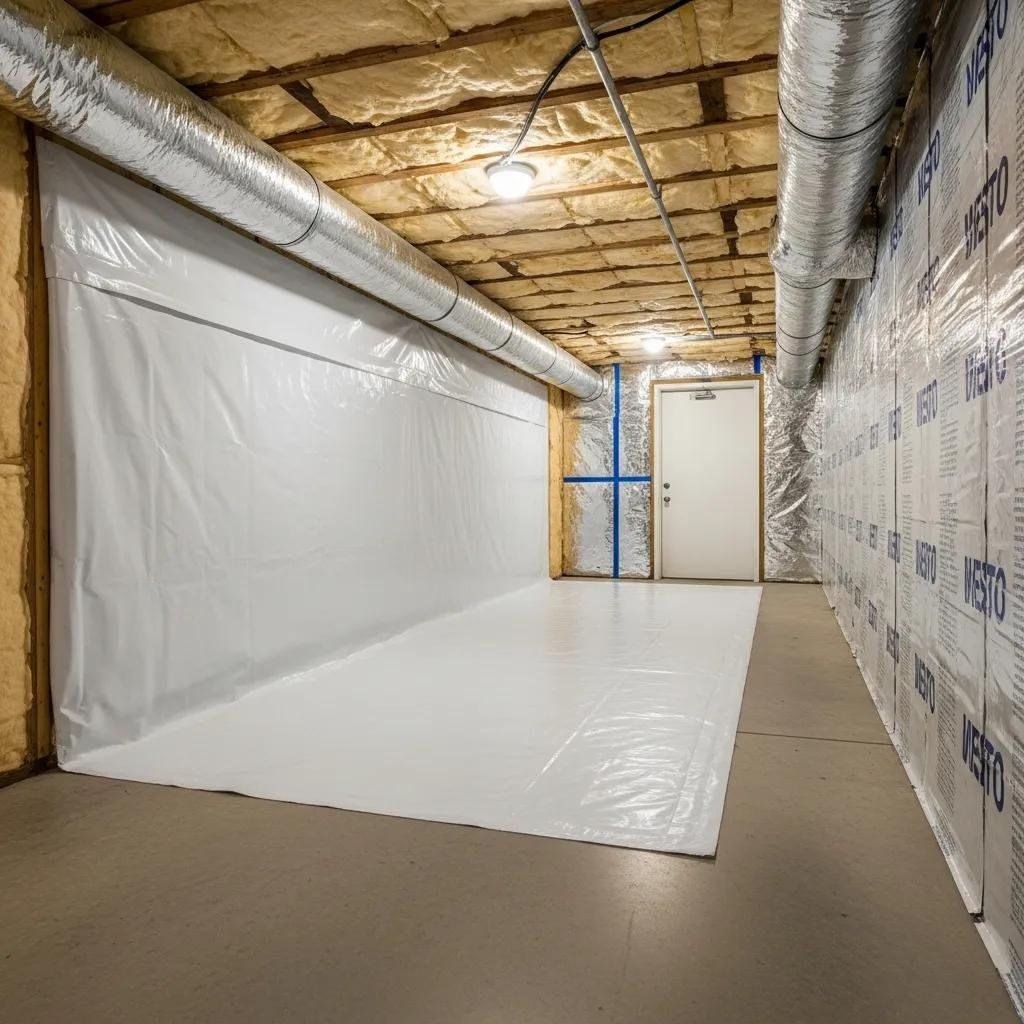
Encapsulating a crawl space is a practical home improvement that tackles moisture, mold, and wasted energy. In this guide we explain the benefits of crawl space encapsulation — how it shields your home from water damage, improves indoor air quality, and lowers heating and cooling costs. If your home has dampness, mold, or high energy bills, a sealed crawl space is one of the most effective long-term fixes. Below we cover how encapsulation controls moisture, boosts efficiency, prevents mold, and what to expect.
How Does Crawl Space Encapsulation Control Moisture and Protect Your Home?
Encapsulation creates a sealed, controlled space under your home so water and humidity can’t build up. That dry environment prevents wood rot, protects structural components, and improves health. We combine durable vapor barriers with targeted waterproofing to stop water intrusion and keep moisture low.
Field research consistently shows that sealed crawl spaces manage moisture better and improve overall home conditions compared with traditional vented designs. Sealed vs. Ventilated Crawl Spaces: Energy & Moisture Performance
This field study compared closed crawl spaces—sealed foundation vents, a continuous polyethylene liner, and different insulation and drying strategies—to conventional wall-vented crawl spaces with ground cover. Researchers tracked heat pump energy use, relative humidity, wood moisture content, duct and house infiltration, temperature, radon, and bioaerosol levels. In the humid southeastern climate, properly closed crawl spaces produced a substantially drier environment.
A Field Study Comparison of the Energy and Moisture Performance Characteristics of Ventilated Versus Sealed Crawl Spaces in the South, 2005
What Is Crawl Space Moisture Control and Why Is It Essential?
Moisture control means managing humidity and stopping water from entering the crawl space. Without it, mold, wood rot, and pests become real problems. Controlling moisture protects your home’s structure and helps keep indoor air healthier.
How Do Vapor Barriers and Waterproofing Prevent Water Damage?
Vapor barriers are heavy-duty sheets that block ground moisture from rising into the crawl space. Waterproofing addresses water coming from the outside. Together they form a two-part defense that greatly reduces the chance of water damage and related issues.
In What Ways Does Crawl Space Encapsulation Enhance Energy Efficiency?
Sealing and insulating stabilizes temperature under your home so your HVAC doesn't fight outside air or humid pockets, meaning less energy use, more consistent comfort, and lower bills.
Many homeowners see savings after encapsulation — especially when ducts and floors are included.
Research has measured real energy savings when crawl space vents are closed and the space is insulated and sealed correctly.
Energy Savings from Closing Crawl Space Vents
This research measured the energy “penalty” of leaving crawl space vents open in winter and the savings from closing and insulating them. The measured penalty (or savings when sealed) was 21% (12 MMBtu/yr) in year two of the study and 32% (19 MMBtu/yr) in a later winter when the access cover was also insulated and made airtight.
Measured energy penalties from crawl space ventilation., 1998
How Does Crawl Space Insulation Reduce Energy Bills?
Insulation in the crawl space slows heat loss in winter and heat gain in summer. That keeps floors warmer and prevents unwanted heat, so HVAC systems run less and last longer.
What Are the Cost Savings of Energy Efficient Crawl Space Solutions?
Upfront costs vary, but encapsulation often pays back over time through lower bills and increased durability. It can also improve resale value because buyers prefer energy-efficient, well-protected homes.
This table shows typical upfront costs and annual savings homeowners can expect from different crawl space solutions, highlighting the long-term value of energy efficiency.
How Does Crawl Space Encapsulation Prevent Mold and Improve Indoor Air Quality?
By removing excess moisture and sealing the space, encapsulation reduces conditions for mold growth. With lower humidity and fewer mold spores entering living areas, indoor air quality improves and allergy or asthma triggers drop.
What Are the Signs of Crawl Space Mold and Its Health Risks?
Common signs include a musty smell, visible mold, and increased allergy symptoms. Mold can be especially harmful to people with respiratory conditions or weakened immune systems, so early action matters.
How Does Sealing the Crawl Space Stop Mold Growth?
Sealing removes the moisture mold needs to thrive. A continuous vapor barrier plus controlled ventilation and dehumidification creates conditions that are hostile to mold, helping keep your home healthier.
What Is the Crawl Space Encapsulation Process and What Should Homeowners Expect?
Encapsulation is a step-by-step process to fix moisture problems and create a durable, low-maintenance solution. We diagnose causes, remove contaminants, and install long-lasting materials so the space stays dry and clean.
What Are the Key Steps in Crawl Space Waterproofing and Sealing?
- Inspection : A careful assessment to find moisture sources, damaged materials, and any structural concerns.
- Cleaning : Removal of debris, mold, and compromised insulation so we start with a clean, safe area.
- Vapor Barrier Installation : Installing a heavy-duty, continuous vapor barrier to stop ground moisture.
- Insulation : Adding insulation to walls and/or floors to improve comfort and reduce energy loss.
- Sealing : Closing vents and openings and sealing penetrations to create a complete encapsulation system.
Why Choose Carolina Pro Restoration for Crawl Space Encapsulation Services?
At Carolina Pro Restoration we specialize in crawl space encapsulation for homeowners in Fort Mill, Charlotte, and nearby areas. Our team handles water damage, mold remediation, and structural repairs with clear communication and workmanship you can trust. We treat your home like our own and stand behind our work.
Understanding encapsulation helps you decide whether it’s right for your home. The result is better comfort, lower energy bills, and long-term protection. If you’re ready to learn more or schedule a consultation, contact us today.
Frequently Asked Questions
Most encapsulation jobs take between one and three days, depending on crawl space size and how much prep work is needed. That includes inspection, cleaning, vapor barrier installation, insulation, and sealing. We’ll give a precise timeline after an on-site assessment.
Encapsulation greatly reduces moisture and mold risks, but a few simple checks help keep it effective: inspect the vapor barrier for damage, monitor humidity levels, and make sure gutters and drains move water away from the foundation. Routine checks will extend the system’s life.
Yes — sealing the crawl space reduces entry points and removes the damp conditions pests prefer. While encapsulation makes the space much less attractive to rodents and insects, you may still want targeted pest control for comprehensive protection.
Encapsulation lowers your home’s energy use, which reduces greenhouse gas emissions. It also prevents mold spore release into the home, improving indoor air quality. Overall, a dry, efficient crawl space is better for your family and the environment.
Some homeowners consider DIY, but professional encapsulation ensures the job is done with the right materials and techniques. Pros can diagnose hidden issues, install continuous barriers correctly, and offer warranties—giving you confidence in the long-term result.
Encapsulation can increase resale appeal by addressing common buyer concerns like moisture, mold, and energy efficiency. A properly documented encapsulation can make your home more attractive and may help you command a higher price.
Official Carolina Pro Restoration Blog
Water Damage in Charlotte NC: What to Do in the First 24 Hours
Water Damage Restoration in Matthews NC: What Homeowners Need to Know
How to File a Water Damage Insurance Claim in South Carolina
Dealing With Water Damage Right Now?
Our Fort Mill team answers 24/7 and can be on site fast. One call, one crew, start to finish.