Fort Mill Water Damage Restoration: When Flooding Hits — History, Risks, and How to Protect Your Home

John Varnedore • January 2, 2026

Fort Mill, South Carolina, has faced several flooding events that have affected homes and neighborhoods. This article walks through Fort Mill’s flood history, what typically causes water damage here, and practical steps homeowners can take to reduce risk. You’ll learn about major flood events, the role the Catawba River plays, and what to expect from emergency cleanup. Timely, professional restoration makes a big difference — and Carolina Pro Restoration is ready to help when you need it most.


Fort Mill’s flooding history — how past events affect homes today

Fort Mill’s flood record includes several notable incidents that shaped how the community prepares for water damage. Heavy storms and prolonged rainfall have flooded streets and properties, impacting both homes and businesses. Those events don’t just cause immediate repairs — they influence property values, insurance decisions, and local planning for years afterward.


Which major floods have increased Fort Mill’s water damage risk?

Water Damage Risk

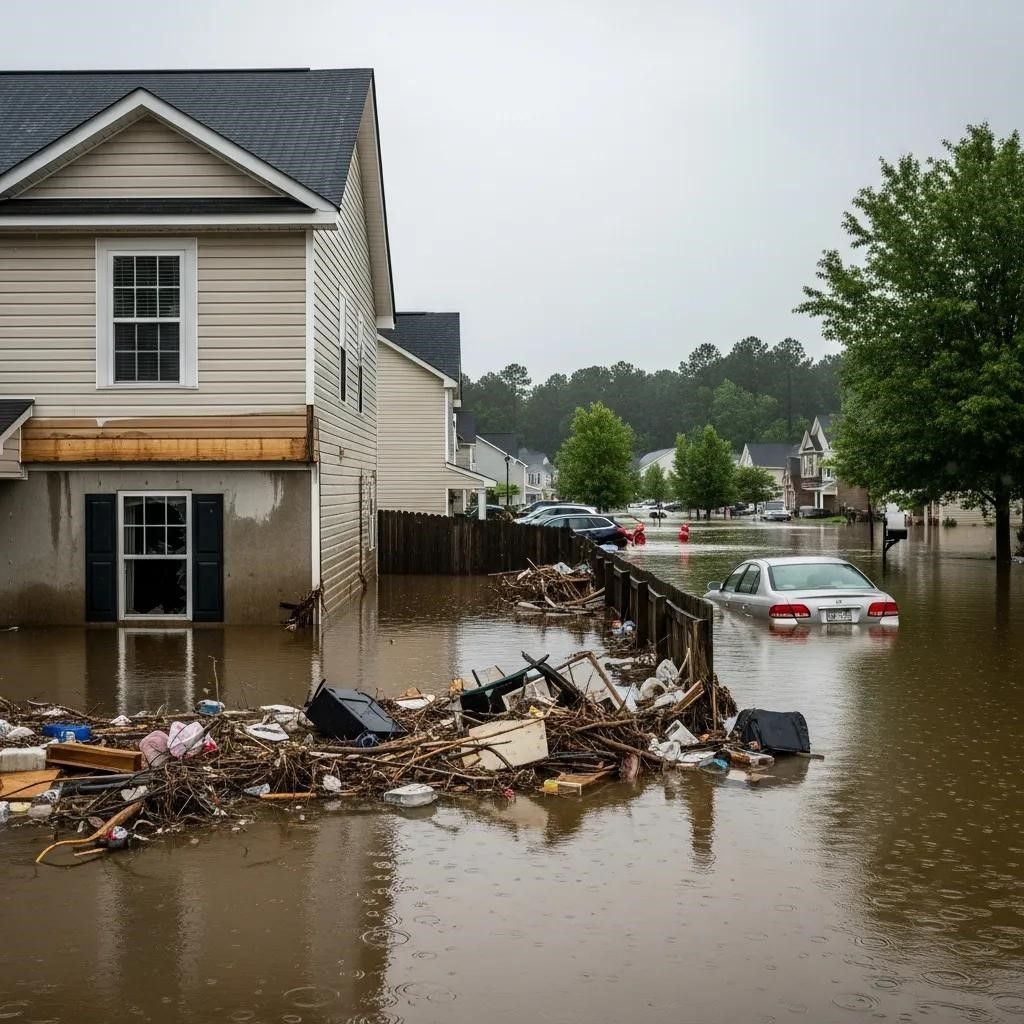
Two events that stand out are the flooding tied to Hurricane Hugo in 1989 and the widespread floods in 2015 linked to heavy rainfall and the effects of Hurricane Joaquin. Hugo’s storm surge and intense rain caused widespread property damage and pushed local leaders to review flood controls. The 2015 floods again exposed vulnerabilities in many neighborhoods and reinforced the need for reliable restoration and better mitigation measures.

How does the Catawba River affect flooding in Fort Mill?

The Catawba River is a major factor in Fort Mill’s flood risk. When heavy rains push river levels up quickly, nearby properties can be threatened by overbank flooding. Local flood controls — levees, improved drainage, and other infrastructure projects — help, but river surges remain a concern for homeowners and businesses along the floodplain.

Common causes of water damage and basement flooding in Fort Mill


Knowing what typically causes water damage in Fort Mill helps homeowners plan. Flooding can come from extreme rain, failing pipes, and the effects of development that reduces ground absorption. Basements and lower levels are often the first to suffer when water finds a way in.


How do heavy rains and storms lead to flood damage?


Heavy storms are a leading cause of flood damage in Fort Mill. The area averages about 48 inches of rain a year, with summer storms often bringing the most intense downpours. Too much water too fast can overwhelm gutters, drains, and storm systems, causing surface flooding. Simple precautions — like sump pumps and clear drainage paths — reduce the chance of serious damage during storms.


What role do burst pipes and urban development play?


Burst pipes, often from aging plumbing or temperature swings, are a common source of interior water damage. Urban growth increases impervious surfaces (driveways, roofs, parking areas), which raises storm water runoff and nearby flood risk. Regular plumbing checks and updated drainage solutions can help protect your home as the neighbourhood develops.


Emergency flood cleanup and water damage restoration in Fort Mill


When flooding happens, a clear, professional restoration plan speeds recovery and limits long‑term damage. Knowing the major steps helps you act quickly and make informed choices during an emergency.

What are the steps in professional flood cleanup and mold remediation?


Certified flood cleanup usually follows a straightforward process:


  1. Assessment: Inspecting the property to determine the scope of damage and safety concerns.
  2. Water Extraction: Removing standing water with pumps and vacuums.
  3. Drying and Dehumidification: Using air movers and dehumidifiers to thoroughly dry affected spaces and materials.
  4. Mold Remediation: Treating and removing any mold growth caused by water intrusion.


Following these steps restores your home safely and helps prevent secondary problems like structural damage or mold spread.


Why is 24/7 emergency response important for Fort Mill residents?


Quick action matters. The faster water is removed and drying begins, the lower the risk of mold and permanent damage — and usually the lower the restoration cost. Carolina Pro Restoration prioritizes rapid response , aiming to be on site within an hour for emergency calls. That speed often makes the difference between a manageable repair and a major rebuild.


How Fort Mill homeowners can prevent water damage


Prevention is the best defense. Small investments and routine upkeep reduce the chance of costly flood damage and give you more control when storms arrive.


Which basement waterproofing and drainage solutions work best?

waterproofing and drainage solutions

Practical solutions that protect basements include:

  1. Interior Drainage Systems: Channels or perimeter drains that move water away from foundation walls.
  2. Sump Pumps: Pumps that remove accumulated water before it causes damage.
  3. Exterior Grading: Sloping soil away from the foundation so surface water drains properly.

Used together, these measures greatly lower the risk of basement flooding and long‑term water problems.


How does regular maintenance reduce flood risk?


Routine checks go a long way. Inspect roofs, gutters, downspouts, and foundation drains seasonally. Clear debris from gutters and make sure downspouts carry water well away from the house. Address small leaks and plumbing issues quickly — early fixes prevent larger, costlier damage.

Service Description Benefits
Water Extraction Removing standing water with pumps and vacuums Halts further damage and reduces mold risk
Dehumidification Using dehumidifiers and air movers to dry affected areas Restores safe humidity levels and prevents mold
Mold Remediation Professional containment and removal of mold and spores Protects health and restores a clean living environment
Cause of Water Damage Description Prevention
Heavy Rainfall Intense rain can overload drainage systems Install sump pumps and improve property drainage
Burst Pipes Older or damaged pipes can fail unexpectedly Schedule plumbing inspections and update pipes
Urban Development More paved surfaces increase runoff Use green infrastructure and improved drainage

Understanding Fort Mill’s flood history and the typical causes of water damage helps homeowners make smarter choices. With preventative steps and a trusted restoration partner, you can reduce damage and recover faster after a flood. Carolina Pro Restoration is available to handle emergency response and full restoration — helping your home get back to normal.

Conclusion


Knowing Fort Mill’s flood history and the common causes of water damage helps you protect your home and react fast when floods happen. Take proactive steps — maintenance, waterproofing, and a trusted restoration plan — to reduce risk. When you need help, Carolina Pro Restoration offers experienced, responsive service to restore your home and give you peace of mind.


Frequently Asked Questions


Q1 What should I do immediately after experiencing water damage in my home ?


A. Put safety first: turn off electricity and gas to affected areas if it’s safe to do so. Take photos for insurance, move valuables out of standing water when possible, and call a professional restoration team right away. Quick documentation and prompt cleanup limit damage and speed the insurance process.


Q2 How can I assess the extent of water damage in my home ?


A. Start with a visual inspection for discoloration, warping, pooled water, or mold. Use a moisture meter if you have one to check walls and floors. Don’t forget hidden spaces like basements and crawl spaces. For major events or suspected structural damage, request a professional evaluation to ensure nothing is missed.


Q3 What are the long-term effects of water damage on my property ?


A. Long-term consequences can include weakened structural materials, mold growth, and lower property value. Prolonged moisture can damage framing, flooring, and systems like electrical and plumbing. Fast, professional restoration reduces these risks and helps preserve your home’s integrity.


Q4 Are there specific insurance policies that cover water damage in Fort Mill ?


A. Homeowners policies typically cover sudden, accidental water damage (for example, from a burst pipe). Flooding from rising water usually requires separate flood insurance. Check your policy details and speak with your insurance agent to confirm what’s covered and whether additional flood protection is right for your home.


Q5 What preventative measures can I take to protect my home from future flooding ?


A. Install a sump pump, maintain proper exterior grading, and keep gutters and downspouts clear. Consider landscaping that improves water absorption and schedule regular plumbing inspections. These steps lower the chance of water entering your home and reduce potential damage.


Q6 How can I find a reliable water damage restoration service in Fort Mill ?


A. Look for local companies with proven experience, positive reviews, and proper certifications. Ask about 24/7 emergency response and response times, and request references when possible. Recommendations from neighbours or local agencies are also a good way to find a trusted restoration partner.

You might also like

Official Carolina Pro Restoration Blog

By John Varnedore January 5, 2026
Water damage can arrive without warning, leaving homeowners and business owners stressed and unsure what to do next. Quick, professional restoration is the best way to limit loss and keep occupants safe. Below we outline the services provided by Carolina Pro Restoration , a licensed, insured team serving Fort Mill, SC and Charlotte, NC. You’ll find how our emergency response works, the main steps we take during restoration, specialty services we offer, and why local property owners rely on Carolina Pro to get buildings back to normal. This guide focuses on practical steps to handle water emergencies efficiently. How Carolina Pro Restoration Manages Emergency Water Removal in Fort Mill and Charlotte
By John Varnedore December 31, 2025
Water damage is one of the most stressful problems a homeowner can face — it can damage structures, ruin possessions and create health hazards fast. Navigating the complexities of water damage restoration requires expert knowledge and swift action. This comprehensive guide provides homeowners with critical insights into what to expect: from the meticulous cleanup sequence and emergency extraction tactics to the factors driving cost, and the definitive moments when professional intervention becomes essential. With this foundational understanding, you’ll be better prepared to protect your home and your family while repairs are underway, ensuring a thorough and lasting recovery. Contact Us for Immediate Assistance Facing Water Damage? Get Expert Help Now! Don't let water damage escalate. Our IICRC-certified professionals are ready to provide rapid, effective restoration services to protect your home and peace of mind. What Are the Key Steps in Water Damage Cleanup Services? Effective water damage cleanup follows a clear, methodical set of steps, adhering to industry standards like the IICRC S500, to limit loss and restore safety. It starts with a detailed assessment utilizing advanced tools such as thermal imaging cameras and moisture meters to precisely map where water went, how much is present, and which materials are affected. Next comes emergency extraction, employing powerful submersible pumps and industrial-grade wet vacuums to remove standing water quickly — stopping further structural damage and significantly lowering mold risk. Finally, professional-grade drying and dehumidification equipment remove trapped moisture from walls, floors, and contents, ensuring that repairs can proceed and hidden problems don’t reappear, preventing long-term issues. How Does Emergency Water Removal Protect Your Home? Fast water removal is paramount in preventing both short-term and long-term damage. Extracting standing water quickly reduces the chance of warped floors, swollen drywall, and weakened framing. Crucially, it also drastically cuts the window for mold growth — mold can gain a foothold within a critical 24–48 hours. A prompt and thorough extraction preserves your home’s structural integrity and significantly reduces health risks for everyone inside, making it the most critical initial step in any restoration process. What Is the Professional Process for Basement Flood Repair? Basement flood repair follows a methodical approach, beginning with a comprehensive assessment. Certified technicians first measure water levels and inspect affected areas to determine the appropriate equipment and safety protocols. Typical next moves include high-capacity water removal using submersible pumps, followed by targeted drying with industrial-grade dehumidifiers and high-volume air movers. This is complemented by repairs to any compromised walls, floors, or foundation elements. When structural components are affected, repairs are meticulously documented and carried out to stringent industry standards, ensuring the space is safe, dry, and fully usable again. Now that we’ve covered the cleanup basics, let’s look at how to prevent mold after water damage. How Can Homeowners Prevent Mold Growth After Water Damage?
By John Varnedore December 30, 2025
Mold shows up in homes more often than most people expect — more than half of residences have visible or hidden fungal growth after water gets in. Picking a certified mold mitigation company doesn’t just clean the visible mess; it protects your indoor air, your health, and the value of your property. In this guide, we explain how mold spreads, when to call a pro, which credentials matter, and a clear seven-step process for evaluating local providers. You’ll get practical advice on spotting mold, what certified technicians look for during inspections, what drives cost, how remediation works, how to verify the job was done, and simple prevention steps to keep mold from coming back. Industry Insight: The Imperative of Professional Remediation Addressing mold effectively is not merely a cleaning task; it's a specialized process that demands adherence to rigorous industry standards. Professional remediation safeguards not only your property's structural integrity but also the long-term health of its occupants. Trusting certified experts is a critical investment in your home's future. What Mold Remediation Companies Do and Why Choosing the Right One Matters Mold remediation firms specialize in finding moisture problems, isolating contaminated areas, removing mold, and restoring spaces to safe, usable condition. Hiring experienced professionals means the work targets the source of the problem, avoids spreading spores to other areas, and follows industry standards — which helps prevent repeat infestations and costly repairs down the road. The U.S. Environmental Protection Agency (EPA) advises that "Mold cleanup should be conducted by professionals if the moldy area is larger than 10 square feet or if you suspect hidden mold." This guideline underscores the necessity of expert intervention for significant or concealed mold issues. Knowing what these companies do gives you the framework to judge their work and select the right team for your home. What a Mold Remediation Company Actually Does A remediation crew inspects affected areas, measures spore counts, sets up containment, applies treatments when needed, removes contaminated materials, and uses HEPA filtration to capture airborne spores. The goal is to return indoor air to safe levels and stop mold from coming back by fixing the moisture paths that allowed it to grow. Reputable firms follow standards such as IICRC S520 so the work is systematic and effective, ensuring a comprehensive and lasting solution. When you understand the typical workflow, it’s easier to compare proposals and spot companies that skip essential steps. How Mold Can Harm Your Home and Your Health Mold feeds on building materials and can cause wood to rot, drywall to break down, and structural elements to weaken. Breathing mold spores can trigger allergies, worsen asthma, and in some cases lead to longer-term respiratory issues. The Centers for Disease Control and Prevention (CDC) states that "mold exposure can cause a variety of health effects." World Health Organization. (2009). WHO Guidelines for Indoor Air Quality: Dampness and Mould . The World Health Organization links dampness and mold to respiratory symptoms, allergies, and asthma — all good reasons to choose a qualified remediation partner rather than hoping the problem resolves itself. The potential for chronic health issues and significant property damage makes professional intervention a critical necessity. Why You Should Trust Professional Mold Mitigation Over DIY Fixes Professional remediation teams combine trained technicians, the right equipment, and proven protocols to remove mold without spreading spores. DIY efforts often miss hidden colonies or lack proper containment, which can leave the house at risk for ongoing exposure. Pros use negative air, HEPA vacuums, and antimicrobial treatments so the cleanup is thorough and durable. Knowing the difference helps homeowners choose lasting solutions instead of temporary fixes, which often exacerbate the problem in the long run. How to Spot Mold Early — and When to Call a Professional Catching mold early limits damage and reduces restoration costs. Look for discoloration, persistent musty smells, and unexplained allergy symptoms. Small, visible patches in easy-to-reach places may be handled carefully at home, but anything hidden behind walls or under flooring should prompt a professional inspection using moisture meters, thermal imaging, and air testing to determine the true scope. Recognizing these warning signs helps you decide whether to act now or call an expert. Common Signs of Mold in Your Home