
Understanding Water Damage Restoration for Homeowners: A Practical Guide to Cleanup, Emergency Extraction, and Cost

John Varnedore • December 31, 2025

Water damage is one of the most stressful problems a homeowner can face — it can damage structures, ruin possessions and create health hazards fast. Navigating the complexities of water damage restoration requires expert knowledge and swift action. This comprehensive guide provides homeowners with critical insights into what to expect: from the meticulous cleanup sequence and emergency extraction tactics to the factors driving cost, and the definitive moments when professional intervention becomes essential. With this foundational understanding, you’ll be better prepared to protect your home and your family while repairs are underway, ensuring a thorough and lasting recovery.
Contact Us for Immediate Assistance


Facing Water Damage? Get Expert Help Now!


Don't let water damage escalate. Our IICRC-certified professionals are ready to provide rapid, effective restoration services to protect your home and peace of mind.


What Are the Key Steps in Water Damage Cleanup Services?


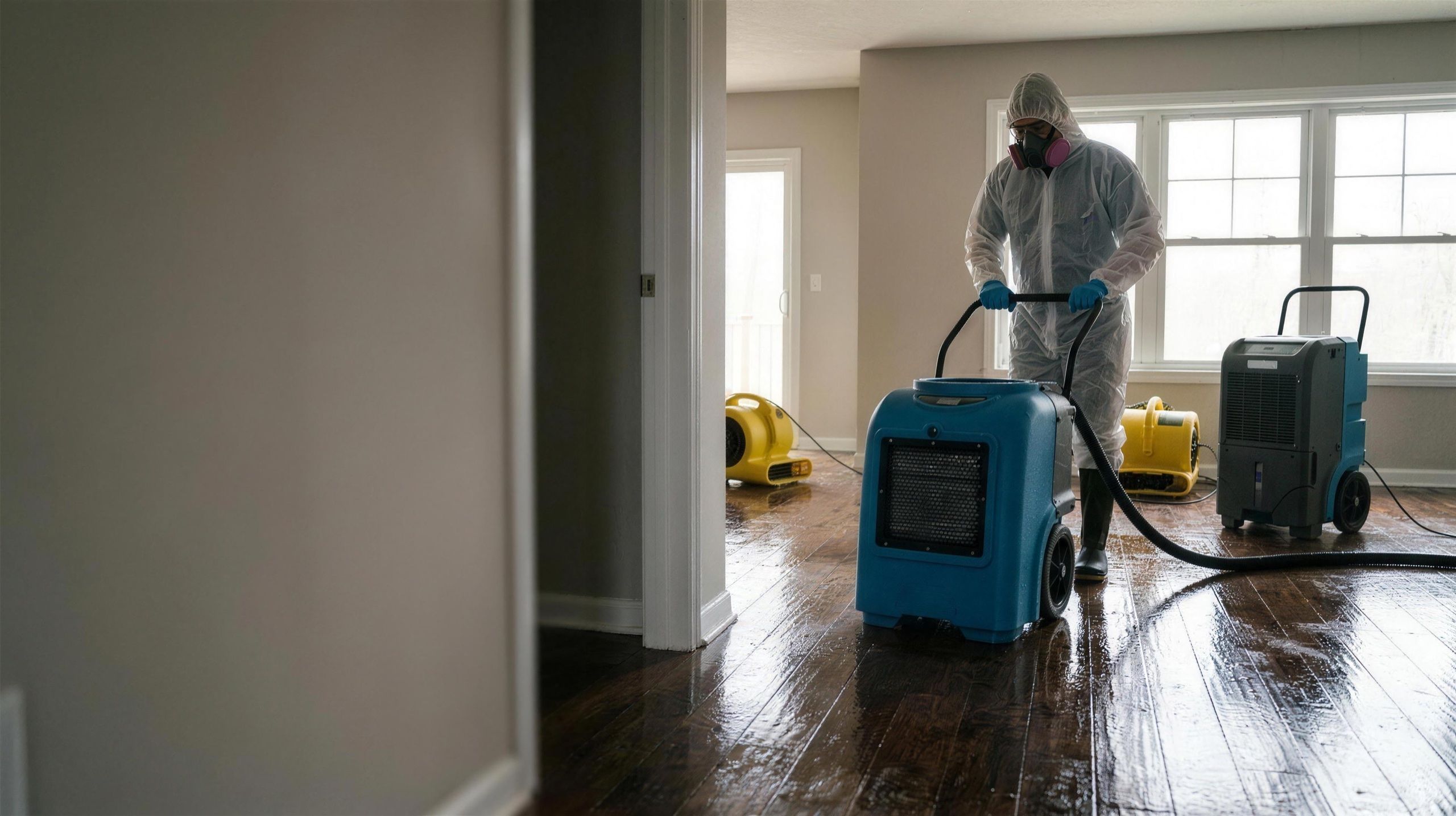
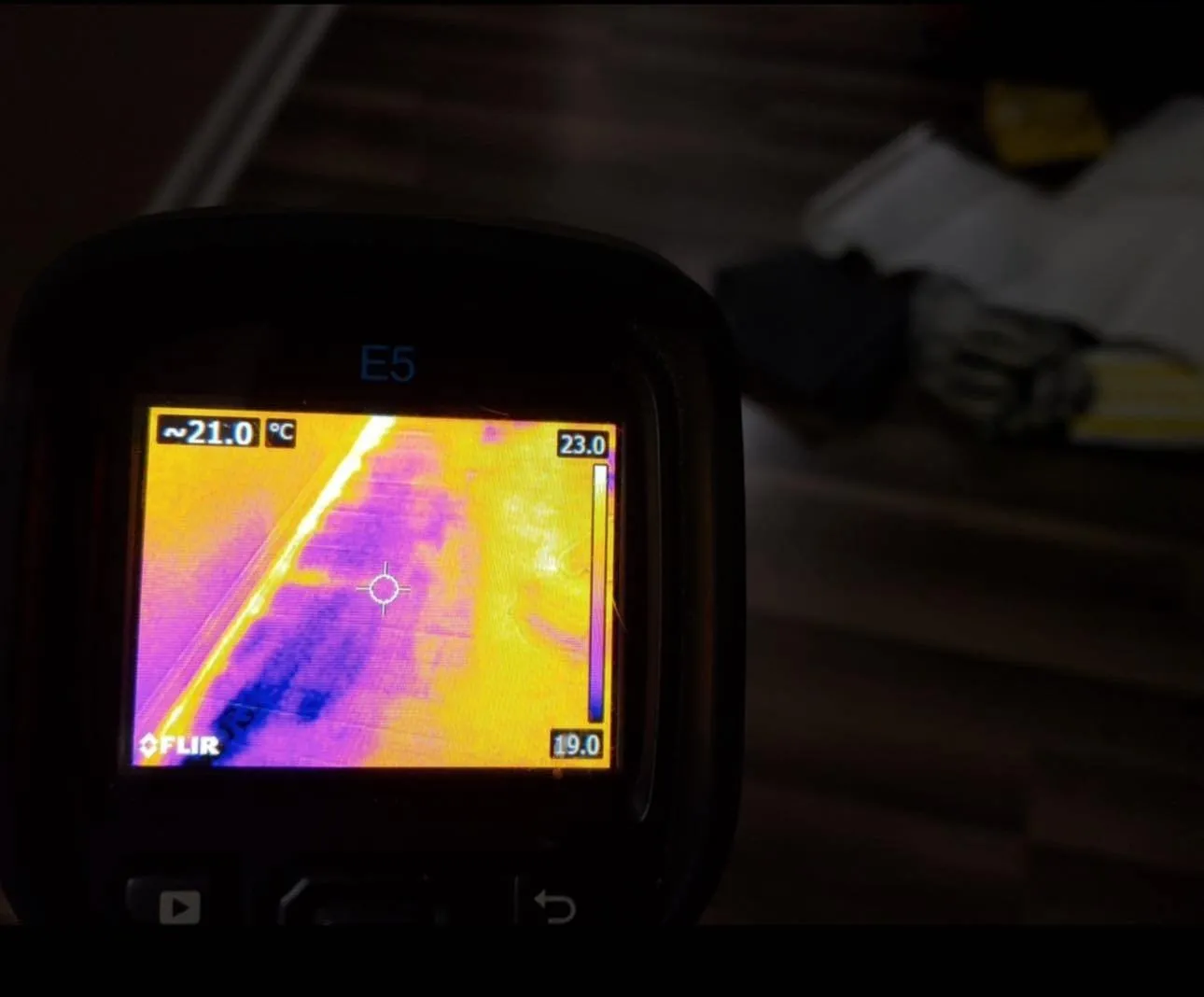
Effective water damage cleanup follows a clear, methodical set of steps, adhering to industry standards like the IICRC S500, to limit loss and restore safety. It starts with a detailed assessment utilizing advanced tools such as thermal imaging cameras and moisture meters to precisely map where water went, how much is present, and which materials are affected. Next comes emergency extraction, employing powerful submersible pumps and industrial-grade wet vacuums to remove standing water quickly — stopping further structural damage and significantly lowering mold risk. Finally, professional-grade drying and dehumidification equipment remove trapped moisture from walls, floors, and contents, ensuring that repairs can proceed and hidden problems don’t reappear, preventing long-term issues.


How Does Emergency Water Removal Protect Your Home?


Fast water removal is paramount in preventing both short-term and long-term damage. Extracting standing water quickly reduces the chance of warped floors, swollen drywall, and weakened framing. Crucially, it also drastically cuts the window for mold growth — mold can gain a foothold within a critical 24–48 hours. A prompt and thorough extraction preserves your home’s structural integrity and significantly reduces health risks for everyone inside, making it the most critical initial step in any restoration process.


What Is the Professional Process for Basement Flood Repair?


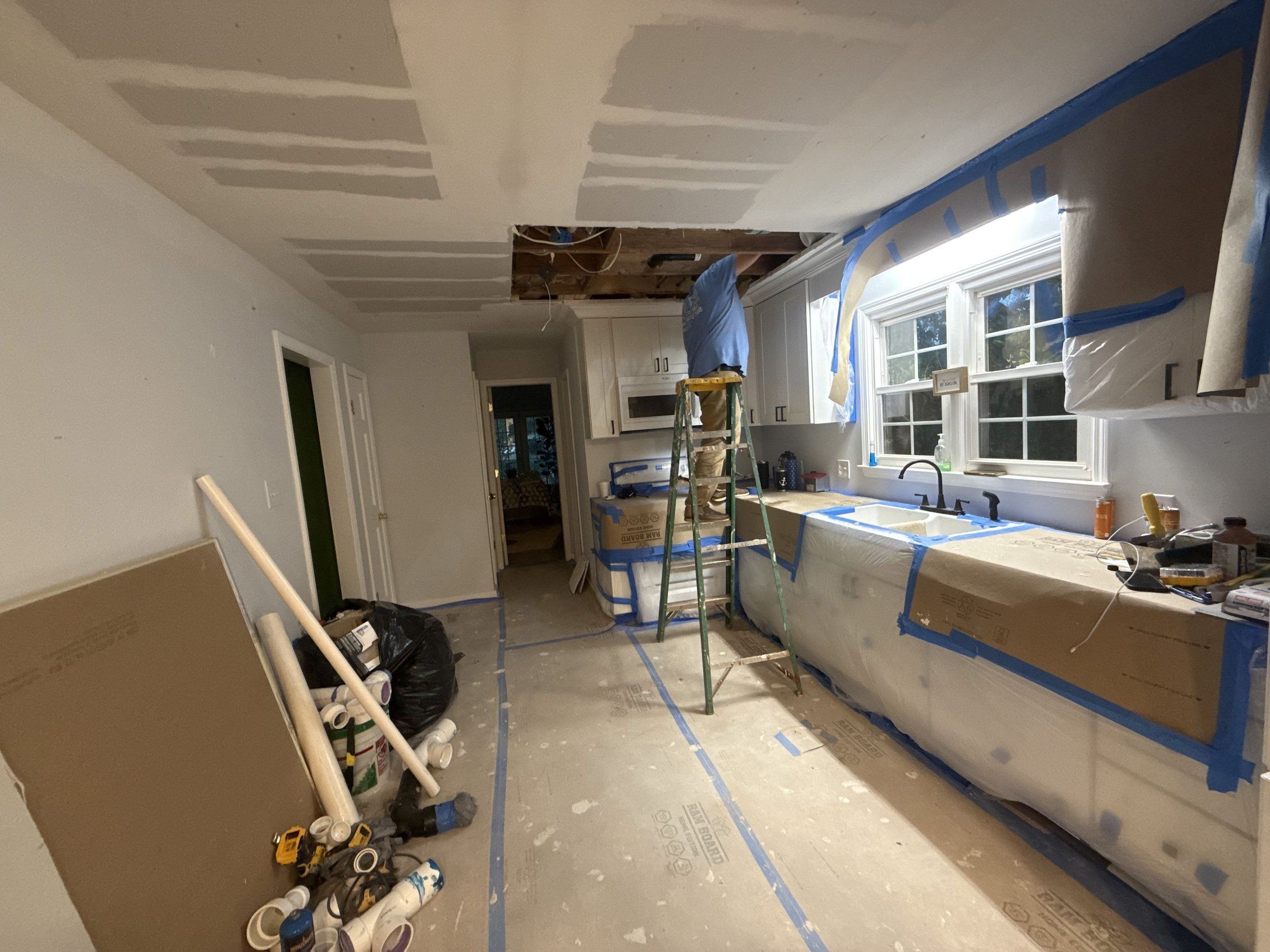
Basement flood repair follows a methodical approach, beginning with a comprehensive assessment. Certified technicians first measure water levels and inspect affected areas to determine the appropriate equipment and safety protocols. Typical next moves include high-capacity water removal using submersible pumps, followed by targeted drying with industrial-grade dehumidifiers and high-volume air movers. This is complemented by repairs to any compromised walls, floors, or foundation elements. When structural components are affected, repairs are meticulously documented and carried out to stringent industry standards, ensuring the space is safe, dry, and fully usable again.

Now that we’ve covered the cleanup basics, let’s look at how to prevent mold after water damage.


How Can Homeowners Prevent Mold Growth After Water Damage?

Water damage

Stopping mold starts with removing moisture quickly and thoroughly. Professionals utilize high-volume air movers and commercial-grade dehumidifiers to aggressively dry floors, walls, and cavities. Regular inspection of vulnerable areas like basements and attics is crucial. Catching damp spots early and drying them properly limits mold risk and helps maintain the home’s condition, preventing costly and hazardous secondary damage.


What Does Mold Remediation After Water Damage Involve?


Mold remediation begins with a careful assessment to identify affected materials and the extent of contamination. Professionals isolate the area using containment barriers and negative air pressure with HEPA filtration to prevent spore spread. Contaminated materials are then safely removed or cleaned using specialized techniques, followed by the application of EPA-approved antimicrobial treatments where appropriate. The overarching goal is to eliminate active mold colonies and mitigate conditions that would allow it to return, ensuring a healthy indoor environment.


Why Is Timely Mold Removal Critical for Home Safety?


Removing mold quickly is critical for both health and cost. Mold exposure can cause a range of allergic reactions and respiratory issues, posing particular risks to children, older adults, and individuals with pre-existing health conditions. The longer mold is left untreated, the more it can spread and cause irreversible damage to building materials — significantly increasing repair costs and the scope of the remediation needed. Prompt action is an investment in both your family's well-being and your property's value.

What Factors Influence the Cost of Water Damage Restoration?


Several critical factors drive restoration cost, often categorized by the IICRC S500 standard for water damage. The extent of water intrusion is the primary one — deeper or more widespread damage, especially involving Category 2 (gray water) or Category 3 (black water) contamination, takes more time, specialized equipment, and safety protocols. Response time also matters: faster mitigation typically lowers total cost by preventing secondary damage. The types of materials affected (e.g., carpet, hardwood, drywall, insulation) and any required structural repairs also significantly affect the final price.

Service Type Cost Factor Estimated Cost
Minor Water Damage Quick response, surface water, limited area $1,000 - $4,000
Moderate Water Damage Structural repairs, extensive drying, potential material replacement $4,000 - $7,000
Severe Water Damage Extensive restoration, demolition, contaminated water, structural rebuild $7,000 - $20,000+

This table shows typical ranges and how scope and necessary work affect cost. Use it as a rough guide — a professional assessment provides a precise, tailored estimate based on your specific situation.


How Do Severity and Response Time Affect Restoration Expenses?


Restoration costs rise proportionally with severity. Small cleanups involving surface water in a limited area usually require less labor and equipment. Conversely, widespread or contaminated water often necessitates extensive demolition, complex structural repairs, and longer, more intensive drying protocols — all of which increase cost. A speedy professional response is crucial; it significantly reduces secondary damage like mold growth and structural deterioration, thereby usually lowering the final bill and overall restoration timeline.


What Role Does Insurance Play in Water Damage Repair Costs?


Insurance can cover a large portion of repair costs, but coverage varies significantly based on your specific policy. Typical homeowner policies may pay for dwelling repairs and damaged personal property, subject to deductibles and exclusions (e.g., flood damage often requires a separate policy). It is imperative to review your policy details thoroughly and document all damage with photos and videos before cleanup, when it’s safe to do so. Filing a claim promptly helps expedite the claims process and ensures you receive the coverage you are entitled to.


When Should Homeowners Seek Professional Water Damage Restoration Services?


Homeowners should unequivocally seek professional water damage restoration services if they face significant water intrusion, ongoing moisture problems, or visible mold growth. Professionals bring specialized training, adhere to strict safety protocols, and utilize advanced equipment that collectively reduce risk, ensure a complete and lasting restoration, and prevent future complications. Their expertise is invaluable in situations beyond simple spills.


What Are the Risks of DIY Water Damage Cleanup?

Water Damage

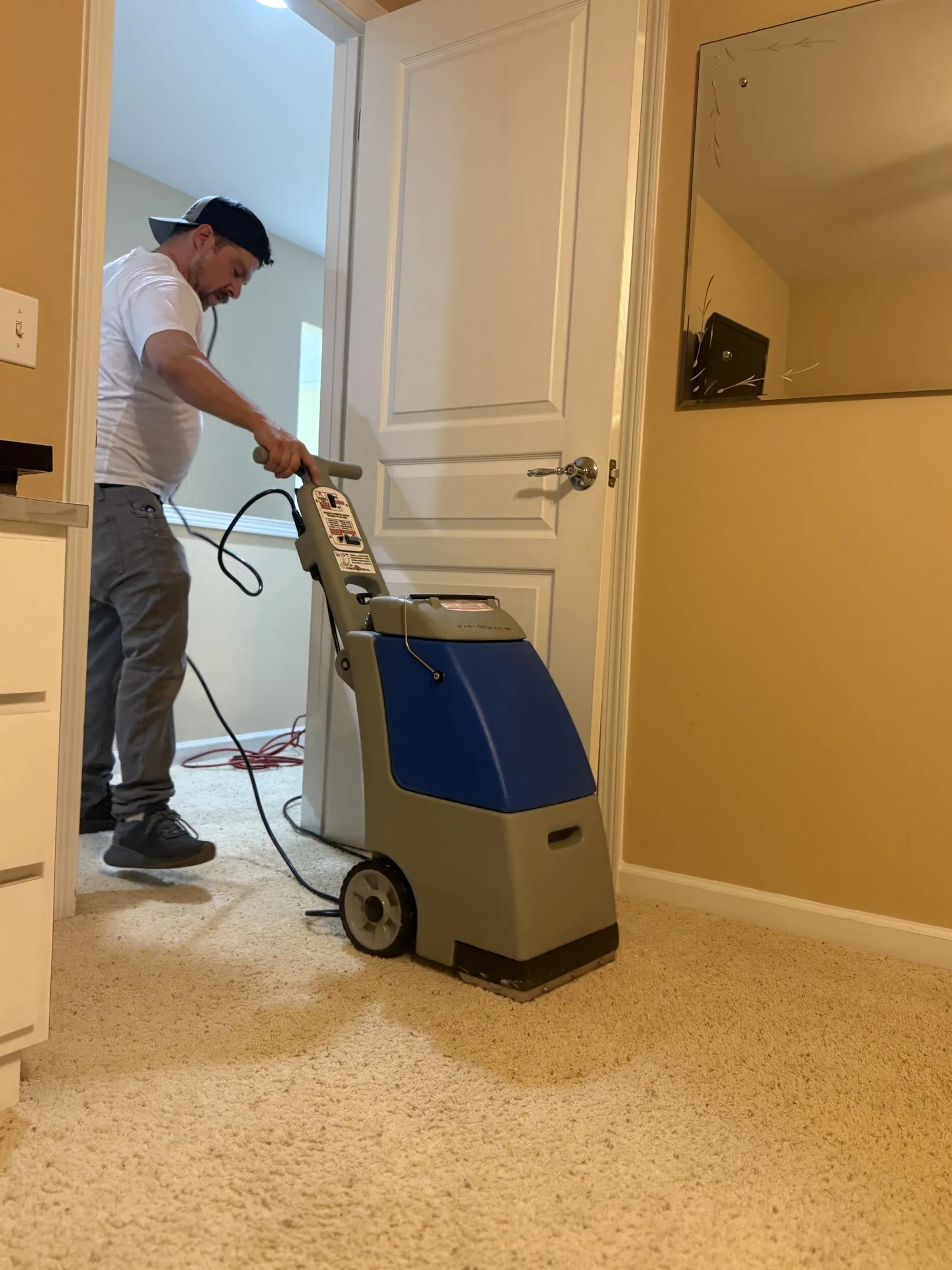
While DIY cleanup can be tempting, it carries substantial risks. Without the right tools, training, and experience, homeowners may miss hidden moisture pockets, which inevitably lead to insidious mold growth or severe structural problems later. Incorrect drying techniques or inadequate disinfection can exacerbate issues, making them more costly and complex to fix in the long run. When in doubt, calling IICRC-certified professionals is almost always the safer, more effective, and ultimately more cost-efficient option.


How Does Certification, Like IICRC, Ensure Quality Restoration?


Certifications such as those from the Institute of Inspection, Cleaning and Restoration Certification (IICRC) are the gold standard, demonstrating that technicians follow rigorous industry standards and proven scientific methods. IICRC-certified teams, holding designations like Water Restoration Technician (WRT) and Applied Structural Drying (ASD), possess a deep understanding of drying science, contamination risks, and proper documentation. This ensures that the job will be done safely, correctly, and efficiently, providing homeowners with unparalleled confidence in the quality and integrity of the restoration work.


Conclusion


Understanding the intricate restoration process empowers homeowners to act swiftly and choose the right expert help when water damage strikes. Knowing the precise cleanup steps, how to effectively limit mold proliferation, what factors influence cost, and when to call IICRC-certified professionals is critical for protecting both your home and your family’s health. If you face water damage, prompt, informed action and experienced technicians make the biggest difference in achieving a successful and lasting recovery — reach out to learn how our expertise can help safeguard your property and restore your peace of mind.


Frequently Asked Questions


What Are the Common Causes of Water Damage in Homes?


Timelines for water damage restoration vary significantly based on the scope and severity of the damage. Small-scale jobs involving minimal water and limited affected areas can often be completed in a few days. However, larger incidents involving structural repairs, extensive drying, or mold remediation may take several weeks. Factors such as drying time, material replacement, and any necessary construction work all affect the schedule. A professional site assessment provides the most accurate timeline estimate for your specific situation.


How Long Does the Water Damage Restoration Process Typically Take?


First and foremost, ensure everyone’s safety: turn off electricity and gas in affected areas if it’s safe to do so. If possible and safe, remove valuable items from the water and document all damage thoroughly with photos and videos for insurance purposes. If standing water is present and you can safely remove it (e.g., with buckets or towels for small amounts), do so; otherwise, contact a professional restoration company immediately to prevent further damage and health risks.


What Should Homeowners Do Immediately After Experiencing Water Damage?


Yes, significant health risks are associated with water damage. Standing water and damp materials create ideal breeding grounds for bacteria, viruses, and promote rapid mold growth, which can trigger severe allergic reactions, asthma attacks, and other respiratory problems. Individuals with pre-existing conditions, young children, and older adults are particularly vulnerable. Prompt and professional cleanup and drying are essential to mitigate these serious health risks.


Are There Any Health Risks Associated with Water Damage?


Proper drying techniques are paramount in preventing secondary damage such as mold growth, structural decay, and lingering odors. Professionals utilize industrial-grade dehumidifiers, high-volume air movers, and specialized drying protocols based on psychrometrics (the science of drying) to meticulously remove moisture from both visible surfaces and hidden cavities within walls, floors, and ceilings. Correct drying shortens repair time, lowers overall costs, and virtually eliminates the chance of lingering issues or future mold outbreaks.


What Is the Importance of Proper Drying Techniques in Water Damage Restoration?


Proactive preventive steps are crucial. These include conducting regular plumbing checks for leaks, keeping gutters and downspouts clear, installing a sump pump in basements where appropriate, and ensuring exterior grading directs water away from the foundation. Additionally, keep a list of trusted restoration contacts readily available and thoroughly understand your insurance coverage so you can act quickly and decisively if damage occurs, minimizing its impact.

You might also like

Official Carolina Pro Restoration Blog

By John Varnedore December 30, 2025
Mold shows up in homes more often than most people expect — more than half of residences have visible or hidden fungal growth after water gets in. Picking a certified mold mitigation company doesn’t just clean the visible mess; it protects your indoor air, your health, and the value of your property. In this guide, we explain how mold spreads, when to call a pro, which credentials matter, and a clear seven-step process for evaluating local providers. You’ll get practical advice on spotting mold, what certified technicians look for during inspections, what drives cost, how remediation works, how to verify the job was done, and simple prevention steps to keep mold from coming back. Industry Insight: The Imperative of Professional Remediation Addressing mold effectively is not merely a cleaning task; it's a specialized process that demands adherence to rigorous industry standards. Professional remediation safeguards not only your property's structural integrity but also the long-term health of its occupants. Trusting certified experts is a critical investment in your home's future. What Mold Remediation Companies Do and Why Choosing the Right One Matters Mold remediation firms specialize in finding moisture problems, isolating contaminated areas, removing mold, and restoring spaces to safe, usable condition. Hiring experienced professionals means the work targets the source of the problem, avoids spreading spores to other areas, and follows industry standards — which helps prevent repeat infestations and costly repairs down the road. The U.S. Environmental Protection Agency (EPA) advises that "Mold cleanup should be conducted by professionals if the moldy area is larger than 10 square feet or if you suspect hidden mold." This guideline underscores the necessity of expert intervention for significant or concealed mold issues. Knowing what these companies do gives you the framework to judge their work and select the right team for your home. What a Mold Remediation Company Actually Does A remediation crew inspects affected areas, measures spore counts, sets up containment, applies treatments when needed, removes contaminated materials, and uses HEPA filtration to capture airborne spores. The goal is to return indoor air to safe levels and stop mold from coming back by fixing the moisture paths that allowed it to grow. Reputable firms follow standards such as IICRC S520 so the work is systematic and effective, ensuring a comprehensive and lasting solution. When you understand the typical workflow, it’s easier to compare proposals and spot companies that skip essential steps. How Mold Can Harm Your Home and Your Health Mold feeds on building materials and can cause wood to rot, drywall to break down, and structural elements to weaken. Breathing mold spores can trigger allergies, worsen asthma, and in some cases lead to longer-term respiratory issues. The Centers for Disease Control and Prevention (CDC) states that "mold exposure can cause a variety of health effects." World Health Organization. (2009). WHO Guidelines for Indoor Air Quality: Dampness and Mould . The World Health Organization links dampness and mold to respiratory symptoms, allergies, and asthma — all good reasons to choose a qualified remediation partner rather than hoping the problem resolves itself. The potential for chronic health issues and significant property damage makes professional intervention a critical necessity. Why You Should Trust Professional Mold Mitigation Over DIY Fixes Professional remediation teams combine trained technicians, the right equipment, and proven protocols to remove mold without spreading spores. DIY efforts often miss hidden colonies or lack proper containment, which can leave the house at risk for ongoing exposure. Pros use negative air, HEPA vacuums, and antimicrobial treatments so the cleanup is thorough and durable. Knowing the difference helps homeowners choose lasting solutions instead of temporary fixes, which often exacerbate the problem in the long run. How to Spot Mold Early — and When to Call a Professional Catching mold early limits damage and reduces restoration costs. Look for discoloration, persistent musty smells, and unexplained allergy symptoms. Small, visible patches in easy-to-reach places may be handled carefully at home, but anything hidden behind walls or under flooring should prompt a professional inspection using moisture meters, thermal imaging, and air testing to determine the true scope. Recognizing these warning signs helps you decide whether to act now or call an expert. Common Signs of Mold in Your Home
By John Varnedore December 30, 2025
When water strikes, minutes matter. Fort Mill homeowners need a clear, fast plan to limit structural damage, shorten drying time, and prevent mold. This guide walks you through what to do first, how professional extraction and drying work, how to spot hidden moisture, and practical prevention steps for our local climate. If you’re dealing with a leak, burst pipe, basement flood, or storm intrusion, quick mitigation — extraction, dehumidification, and targeted repairs — reduces scope and cost while protecting indoor air quality. For immediate help in Fort Mill and the Charlotte area, Carolina Pro Restoration offers 24/7 emergency water damage services and direct insurance billing; call our emergency line to get a certified response team on the phone right away for triage and dispatch. Below we explain why qualified crews matter, outline our step-by-step process, list common local causes and signs, and share a homeowner checklist to help prevent future problems. Why Choose Carolina Pro Restoration for Water Damage in Fort Mill? We combine fast emergency response with certified procedures that focus on containment, thorough drying, and quality repairs to return your home to pre-loss condition. Hiring a provider with clear protocols and industry training limits secondary damage and speeds insurance resolutions. Here are the main reasons homeowners in Fort Mill trust us to get the job done right. 24/7 Emergency Response: We’re available any time to triage your situation and send trained crews quickly. IICRC-Certified Technicians: Our teams follow proven standards for assessment, drying, and documentation. Direct Insurance Billing: We work directly with insurers to reduce paperwork and stress for you. These credentials matter because water removal and proper drying are time-sensitive. The next section explains how fast dispatch and pre-staged equipment shave hours from mitigation timelines and lower mold risk. How Does Our 24/7 Emergency Water Removal Deliver a Fast Response
Water damage restoration fort mill sc
By Lauren Alvarez August 8, 2025
Get prepared with the right questions for restoration services! From water damage to emergencies, these insights will help ensure quick, effective solutions.