Pineville NC Commercial District: Business Water Damage Protection

Carolina Pro Restoration Team • August 8, 2025

Pineville NC Commercial District: Business Water Damage Protection


Pineville's growing business community needs reliable water damage protection. At Carolina Pro Restoration, we understand that every day your business is closed means lost income. We work fast to get Pineville businesses back open and serving customers.


Why Commercial Water Damage is Different

Business water damage affects more than just buildings. Lost inventory, damaged equipment, and interrupted operations cost money every hour. Customer relationships suffer when businesses can't provide normal service.

Commercial buildings have different systems than homes. Larger pipes, complex HVAC systems, and multiple tenants create unique challenges. Each business type needs different restoration approaches and timing.

Common Pineville Business Water Issues

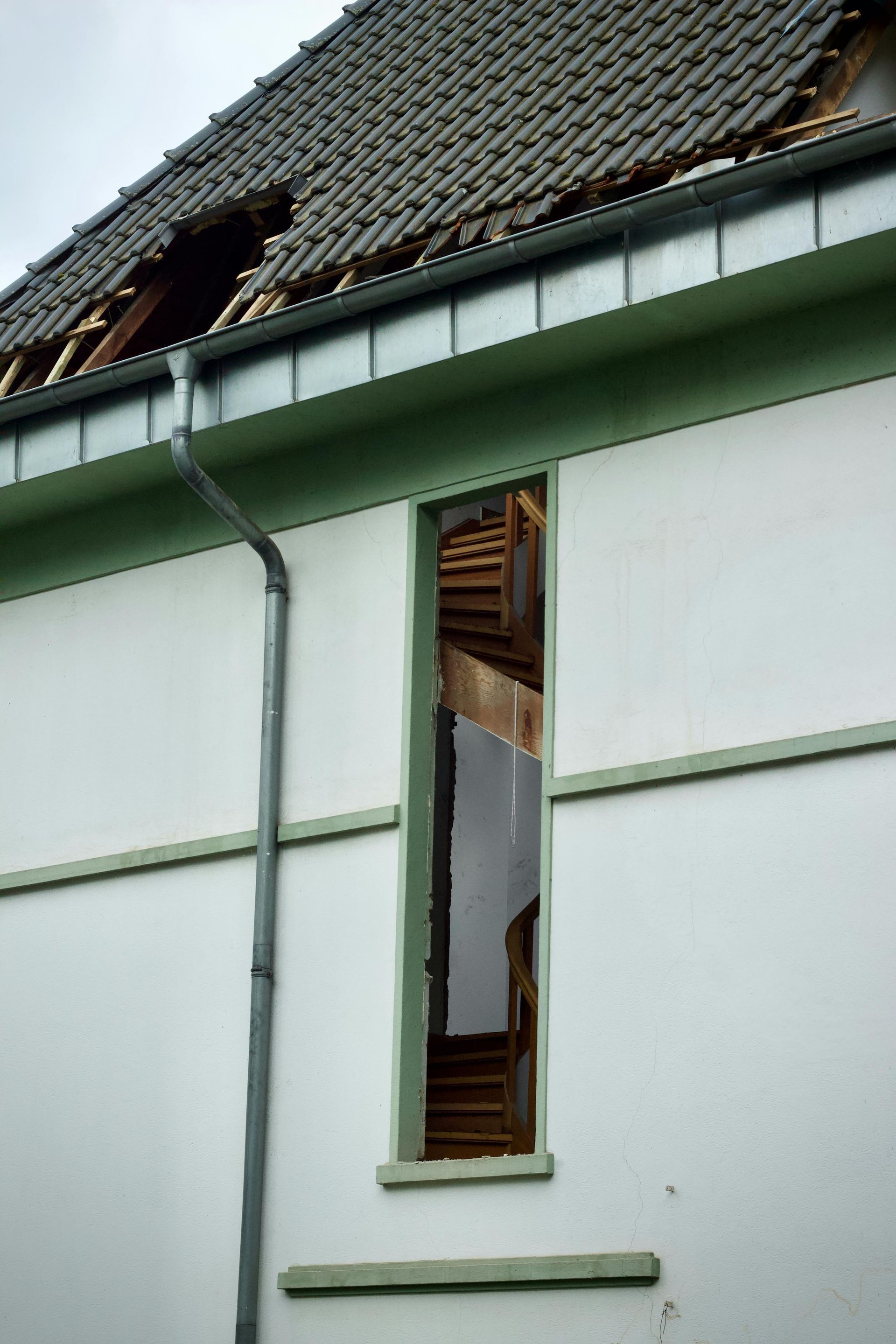
Pineville's location between major cities creates unique infrastructure stresses. Older commercial buildings may have aging pipes and roof systems. Heavy traffic and development can affect water pressure and drainage.

Restaurants face kitchen equipment failures and grease trap problems. Retail stores worry about inventory damage. Office buildings deal with server rooms and electrical systems that can't get wet.

Our Fast Commercial Response

We keep equipment staged for commercial emergencies. Large buildings need industrial-grade fans, dehumidifiers, and extraction equipment. Our trucks carry everything needed for immediate response.

We work around your business schedule whenever possible. Many repairs happen at night or during slow periods. Emergency situations get immediate response regardless of time or day.

Working with Commercial Insurance

Commercial insurance policies are more complex than homeowner coverage. Business interruption coverage helps with lost income. We document everything thoroughly for accurate claims processing.

We work directly with commercial adjusters and understand business coverage differences. Property damage, business interruption, and extra expense coverage all work differently. Clear documentation speeds up claim approvals.

Minimizing Business Disruption

We protect areas that are still operating while we work on damaged sections. Plastic barriers keep dust and moisture contained. We schedule noisy work during closed hours when possible.

Some businesses can stay partially open during restoration. We coordinate with managers to determine what's safe and practical. Customer safety always comes first in our planning.

Specialized Equipment for Commercial Jobs

Commercial buildings need powerful equipment to handle large spaces. Industrial dehumidifiers can remove thousands of gallons of moisture per day. Large air movers create proper airflow in big areas.

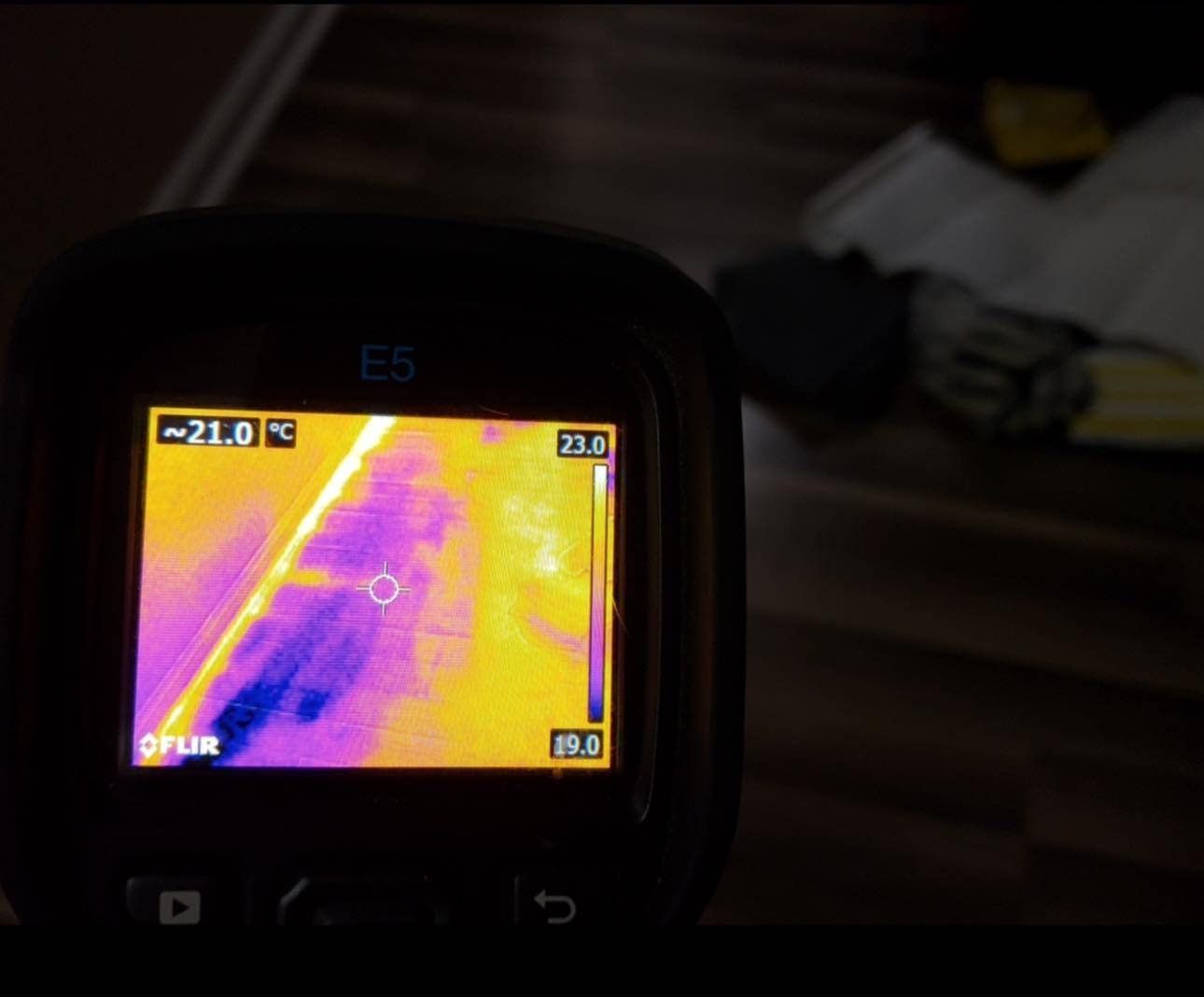
We use thermal imaging to find hidden moisture in walls and ceilings. Moisture meters help track drying progress. All equipment is commercial-grade and designed for continuous operation.

Working with Multiple Tenants

Multi-tenant buildings require careful coordination. Water damage in one unit can affect neighbors. We work with property managers to communicate with all affected tenants.

Different businesses have different insurance policies and needs. A restaurant's requirements differ from an accounting office. We adapt our approach for each tenant's specific situation.

Frequently Asked Questions

How do you help Pineville businesses with water damage?

We know businesses need to stay open and work fast to get you back to normal. We coordinate with your insurance and help you keep serving customers during restoration.

Can you work around business hours?

Yes. We work nights, weekends, and holidays when needed. Emergency response is available 24/7. We minimize disruption to your daily operations whenever possible.

Do you handle both small shops and large commercial buildings?

Absolutely. From small retail stores to large office buildings, we adapt our approach. Each business has different needs, timelines, and customer requirements.

How do you coordinate with business insurance?

We work directly with commercial insurance companies and understand business coverage differences. We help document everything properly for faster claim processing and approvals.

What's the typical timeline for commercial water damage restoration?

It depends on damage size and business type. Small leaks might take 1-3 days. Major flooding can take 1-2 weeks. We give realistic timelines upfront and keep you updated.

Need emergency water damage help for your Pineville business? Call Carolina Pro Restoration 24/7 for fast commercial restoration services.

You might also like

Official Carolina Pro Restoration Blog

By John Varnedore February 13, 2026
Mold can harm health and damage property. Professional mold inspections and air quality testing help homeowners and businesses identify contamination, plan remediation, and prevent recurrence. What Is Professional Mold Inspection and Why Is It Essential? A professional inspection evaluates a building to find mold, locate the moisture source, and estimate spread. Certified assessments reduce health risks, ensure proper cleanup, and protect property value by catching problems before they escalate. How Does Mold Affect Indoor Air Quality and Health? Mold lowers indoor air quality and can trigger respiratory and allergic symptoms. Because mold can start growing within 24–48 hours after moisture exposure, prompt water removal and remediation are important to limit spread and protect occupants. What Are the Common Signs of Mold in Homes and Businesses? Spotting mold early prevents larger repairs. Common signs include: Visible Mold Growth : Dark or discolored spots on surfaces. Musty Odors : A persistent damp smell suggesting hidden mold. Health Symptoms : New or worsening allergies, coughing, or skin irritation among occupants. When you see these signs, schedule a professional inspection promptly. A full assessment that combines what you can see and smell with technical checks is recommended by public health guidelines like those from NIOSH. NIOSH Mold Assessment for Water-Damaged Buildings Inspection of water damage/stains, visible mold, and wetness/dampness, along with an olfactory (smell) assessment, are central to identifying mold issues. How Does Our Mold Inspection Process Work? Inspections follow a clear workflow: assess affected areas, remove standing water, dry and dehumidify, clean and sanitize, then rebuild if needed. Technicians check visible mold, use moisture meters and thermal imaging for hidden dampness, and deploy pumps, dehumidifiers, and air movers as required. Containment and antimicrobial treatment are applied when appropriate. What Steps Are Involved in a Thorough Mold Assessment? A complete assessment typically includes: Visual Inspection : Room-by-room check for mold and water damage. Moisture Detection : Meters and infrared tools to locate hidden dampness. Air Sampling : Collecting samples to identify airborne spores and common strains. Combined, these steps show where mold is, how it’s spreading, and what’s causing the issue so the right remediation plan can be made. How Do Certified Technicians Use Air Quality Testing Methods?
By John Varnedore February 12, 2026
Stachybotrys chartarum, commonly called black mold , can threaten health and property when moisture problems persist. This guide explains how professionals identify and remove black mold, what affects cost, and why DIY fixes often fail — so you can make informed decisions. What Is Black Mold and Why Professional Removal Matters Black mold grows in damp conditions and can appear within 24–72 hours after moisture exposure. Professionals use containment, HEPA air filtration, and proven cleaning or removal methods to limit spread, protect occupants, and reduce the chance of recurrence. Carolina Pro Restoration offers 24/7 response with IICRC-certified technicians who follow industry standards to handle mold safely and limit property damage. How to Identify Stachybotrys chartarum in Your Home or Business
By John Varnedore February 11, 2026
Keeping your crawl space dry protects your home’s structure and the air you breathe. Crawl space vapor barriers stop ground moisture before it becomes mold, wood rot, or musty air in your living spaces. This article explains why professional installation matters, how the system works, and when to repair or replace a damaged barrier so you can make the right choice for your property. What Are Crawl Space Vapor Barriers and How Do They Protect Your Home? A crawl space vapor barrier is a polyethylene liner installed over the soil beneath your house to block moisture from evaporating into the crawl space air. By limiting ground vapor, the liner lowers humidity, slows mold growth, and helps preserve wood and insulation—important benefits in humid climates. Definition and Purpose of Crawl Space Vapor Barriers Vapor barriers serve as a first line of defense against moisture rising from the ground. The liner is laid across the entire crawl space floor and sealed at seams and where it meets walls so soil moisture cannot enter the crawl space atmosphere. Properly chosen and installed materials resist tears and hold up to the conditions found under a home. How Vapor Barriers Prevent Moisture Intrusion and Mold Growth A continuous vapor barrier reduces crawl space humidity by sealing the soil surface. Lower humidity creates less favorable conditions for mold and mildew, which helps protect framing, insulation, and indoor air quality. In short, a properly installed liner reduces moisture-related problems before they start. Research supports the idea that sealed crawl spaces often outperform traditional vented designs for moisture control. Sealed Crawl Spaces: Superior Moisture Control & Performance A field study compared closed crawl spaces—sealed foundation vents, a continuous polyethylene liner, and controlled insulation and drying strategies—to conventional vented crawl spaces. In the humid southeastern U.S., properly sealed crawl spaces consistently produced much drier conditions than vented designs, making sealed construction an effective moisture-control approach. A Field Study Comparison of the Energy and Moisture Performance Characteristics of Ventilated Versus Sealed Crawl Spaces in the South, 2005 What Are the Key Benefits of Professional Vapor Barrier Installation? Professional installation delivers measurable benefits: it lowers mold risk, protects structural components, and can improve energy performance. Reduce Mold Risk and Protect Structural Integrity : Controlling ground moisture makes mold far less likely and prevents damp conditions that can rot wood and damage subfloor materials. Professional crews ensure seams, edges, and penetrations are sealed so the liner performs as intended. Improve Energy Efficiency and Indoor Air Quality : A sealed crawl space helps insulation work more effectively and reduces humid air migration into your home, easing the load on HVAC systems. That can mean lower energy use and fewer allergens circulating in your living space. Studies highlight the link between crawl space humidity, mold growth, and indoor air quality—underscoring why a proper vapor barrier is a worthwhile investment. Crawl Space Humidity, Mold Growth & Indoor Air Quality Relative humidity inside crawl spaces is the key driver of mold growth. Moisture problems below the house can transfer contaminants into the living space through pressure differences. Research examining ground covers and ventilation rates in cold climates found that controlling moisture in the crawl space is essential to protecting materials and indoor air quality. Moisture and fungal spore transport in outdoor air-ventilated crawl spaces in a cold climate, M Airaksinen, 2003 Locally, homeowners in the Fort Mill and Charlotte areas trust Carolina Pro Restoration for professional vapor barrier installation that keeps homes drier, cleaner, and more efficient. How Is a Crawl Space Vapor Barrier Installed?