

🚨 24/7 Emergency Dispatch — Indian Land
Indian Land's Trusted 24/7 Water Damage Restoration Team
Crews on the ground in 20-35 minutes across Indian Land, Fort Mill, and southern Lancaster County. We handle the water removal, structural drying, mold prevention, and full rebuild — start to finish with one dedicated project manager. Direct insurance billing through Xactimate.
- Top-Rated in Indian Land
- 20-35 Min Response
- Licensed, Insured & IICRC
- Direct Insurance Billing
24/7 Water Damage Restoration in Indian Land, SC
Water in your home and no idea what to do? Call 980-277-3700. We're Carolina Pro Restoration, and our crew can be at your door in Indian Land in about 20 to 35 minutes. We show up with truck-mounted extractors, commercial dehumidifiers, and FLIR thermal imaging cameras — everything needed to stop the damage and start drying your home the same hour you call.
Indian Land is one of the fastest-growing communities in the Charlotte metro area, sitting in the northern panhandle of Lancaster County, South Carolina. The area receives roughly 47 inches of rain per year. Lancaster County's population has grown over 12% since 2020, and thousands of new homes have been built on freshly graded lots where stormwater drainage hasn't caught up with development. We handle burst pipes, water heater failures, washing machine overflows, toilet supply line breaks, sewage backups, and storm flooding throughout Indian Land and nearby Fort Mill, Tega Cay, and Rock Hill.
Why Indian Land Homes Are at Risk
Indian Land has exploded with new construction over the past decade. Master-planned communities like Sun City Carolina Lakes, Bridgemill, Cheswick, and Lancaster Crossings were built on land that was recently cleared and graded. Fresh construction on graded lots concentrates stormwater runoff, and many of these neighborhoods have experienced drainage complaints and localized flooding within their first few years. Homes built between 2015 and 2022 are also now entering the window where builder-grade plumbing fittings and water heater connections begin to fail.
Indian Land also sits on clay-heavy soil typical of the Carolina Piedmont. This soil doesn't absorb water well, which means even moderate rain pools around foundations and pushes into crawlspaces. The rapid pace of development has outpaced stormwater infrastructure in parts of the community, and Hurricane Helene in 2024 exposed vulnerabilities in newer subdivisions where retention ponds and drainage easements couldn't handle the volume.
What Happens When You Call Us
Our IICRC-certified crew arrives fast, maps every wet area using thermal cameras and moisture meters, extracts standing water with commercial-grade equipment, and sets up a full drying system with dehumidifiers and air movers. We treat affected surfaces with antimicrobial solution to prevent mold growth before it starts. Every step is documented with photos and moisture readings from day one. If mold has already taken hold, see our mold removal in Indian Land service.
Insurance & Xactimate Documentation
We write every estimate in Xactimate — the same software your insurance adjuster uses. That means no surprises, no back-and-forth, and no delays on your claim. We take the damage photos, send daily moisture reports, communicate directly with your adjuster, and bill your insurance company directly, so on covered work you pay your deductible and nothing beyond it.
Common Water Damage Problems in Indian Land Neighborhoods
Sun City Carolina Lakes — Slab Leaks & Water Heater Failures
Sun City is Indian Land's largest 55+ community, with thousands of homes built on slab foundations between 2007 and 2018. These homes are now entering the window where builder-grade water heater connections, supply line fittings, and dishwasher hoses begin to fail. Slab leaks are especially common and often go undetected until flooring buckles or moisture appears on baseboards. If you smell dampness or notice soft spots in your flooring, call 980-277-3700 before it spreads.
Bridgemill & Cheswick — New Construction Drainage Problems
Bridgemill and Cheswick are newer master-planned communities built on freshly graded lots where stormwater runoff has been an ongoing issue. Retention ponds and drainage easements in these developments have struggled to keep up with the volume during heavy rain events. We see crawlspace flooding, foundation moisture intrusion, and garage flooding in these neighborhoods regularly. Our team uses thermal imaging to identify moisture intrusion points without tearing anything out first.
Lancaster Crossings & Panhandle Corridor — Rapid Growth, Failing Infrastructure
The stretch along Highway 521 and the Panhandle corridor has seen explosive development over the past five years. Subdivisions like Lancaster Crossings went up fast, and the surrounding stormwater and sewer infrastructure hasn't kept pace. We see multiple calls per month from these neighborhoods for supply line bursts behind walls, under-slab leaks, and water heater failures that flood garages and first floors. We respond to flood damage calls with truck-mounted pumps that can extract thousands of gallons per hour.
Doby's Bridge & Pleasant Road Area — Clay Soil & Crawlspace Moisture
Older homes along Doby's Bridge Road and Pleasant Road sit on crawlspace foundations over Lancaster County's notoriously clay-heavy soil. This soil holds moisture against foundations year-round, and after heavy rain, groundwater pushes into crawlspaces causing standing water, saturated insulation, and active mold growth. Sewage backups in this area require Category 3 water remediation: full extraction, removal of contaminated materials, antimicrobial treatment, and air scrubbing. We handle the entire process and document it for your insurance claim.
We Handle Your Insurance — You Handle Your Family
Dealing with water damage is stressful enough without fighting your insurance company. We use Xactimate, the same estimating software your adjuster uses, so your claim moves fast with no surprises.
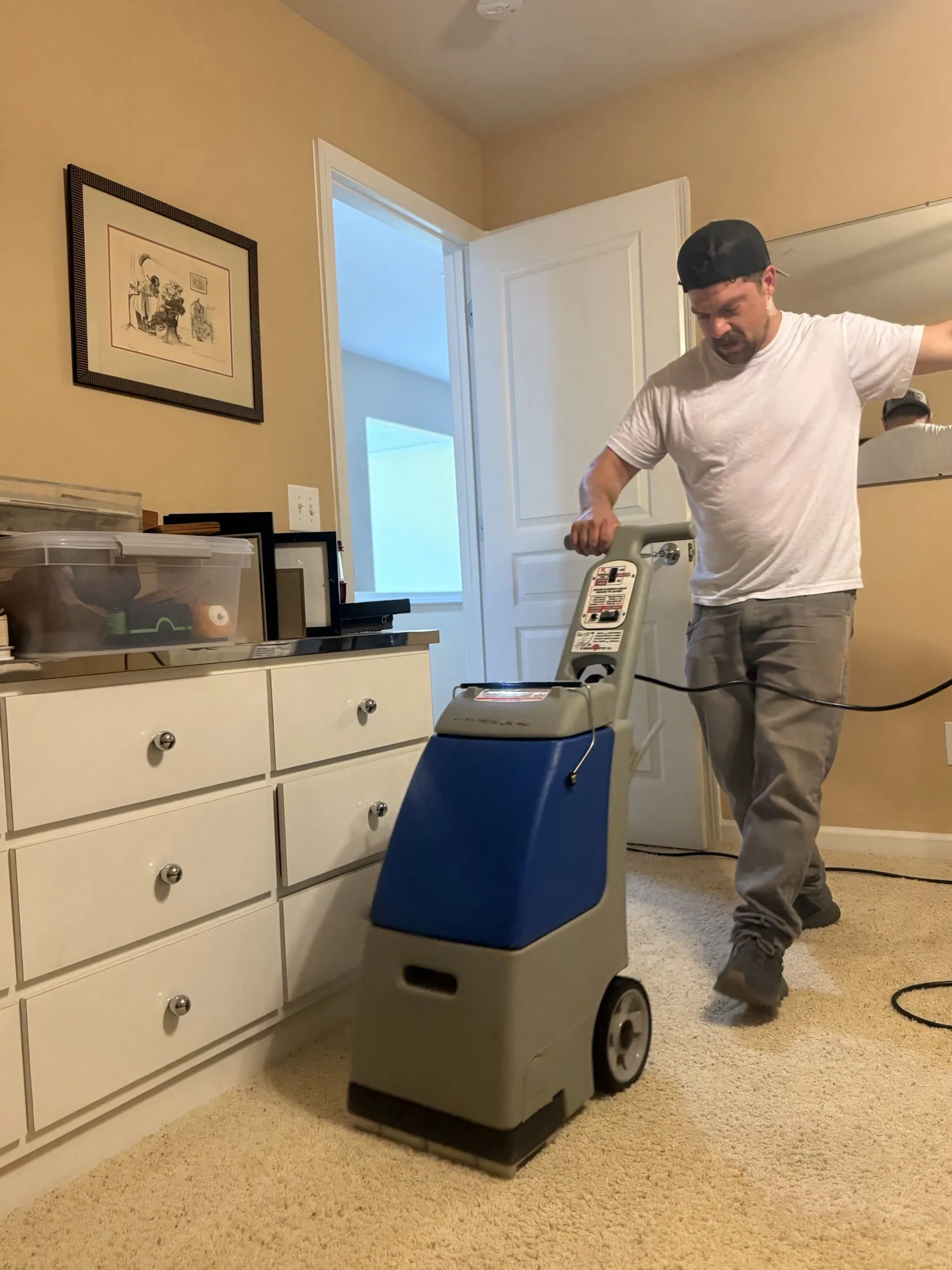
Fast water extraction across Indian Land
From burst pipes to appliance leaks in Indian Land's newer homes, we pull the water out fast, dry the structure, and rebuild whatever the water ruined — one crew, start to finish.
What Indian Land Homeowners Say
Real reviews from homeowners and property managers in Indian Land, Fort Mill, and Lancaster County.
- Water Damage
I spoke with the guys from CPR about several water issues at my home and knew right away I was dealing with professionals. They put my mind at ease and immediately started brainstorming to solve my issues. I could not recommend them more!
- Water Removal
This team was very professional and did a thorough job with water removal from our house. Got the job done and done well. They are the very best!
- Insurance Handled
Water line leak. Insurance tried to deny it, but Carolina Pro Restoration refused to stop mitigation and kept communicating with the desk manager and supervisor. End result: mitigation completed and reconstruction flawless!
Indian Land Water Damage FAQs
Common questions from Indian Land homeowners dealing with water damage, mold, and insurance claims.
-
How fast can Carolina Pro Restoration reach my Indian Land home?
Our crews are based in Fort Mill, just minutes from Indian Land. Most Indian Land calls receive a technician within 20 to 35 minutes, 24/7. -
My Indian Land home was built in the last 10 years. Is the plumbing a risk?
Yes. Many newer homes in Indian Land communities like Sun City, Bridgemill, and Cheswick used builder-grade plumbing fittings and water heater connections that begin to fail after 7–15 years. We see supply line bursts, fitting failures, and water heater leaks regularly. A thermal-camera scan can reveal hidden moisture before it becomes visible damage. -
Does new construction in Indian Land increase water damage risk?
Absolutely. Indian Land has seen explosive growth, and many homes sit on freshly graded lots where stormwater drainage hasn't caught up with development. Retention ponds and drainage easements in newer subdivisions have struggled during heavy rain events, causing localized flooding and foundation moisture intrusion. -
Will Carolina Pro Restoration bill my insurance company directly?
Yes. We use Xactimate — the same estimating software your adjuster uses — photograph all damage, send daily moisture reports, communicate directly with the adjuster, and bill the carrier directly, so on covered work you pay your deductible and nothing beyond it. -
What should I do immediately if my Indian Land home floods?
Shut off the water supply. Turn off electricity to affected areas if it's safe to do so. Move valuables to a dry area. Call 980-277-3700 immediately. Never use a household vacuum on standing water — it's an electrocution risk. -
How quickly does mold grow after water damage in Indian Land?
Mold spores can germinate within 24–48 hours. Visible colonies appear in 3–5 days. Lancaster County's clay soil traps moisture around foundations, keeping humidity high even after the visible water is gone. Fast extraction and professional dehumidification are the only reliable way to prevent growth.
Still have a question? Our team is on call 24/7.
Call Now: (980) 277-3700Your Local Water Damage Team in Indian Land
We are not a distant call center. We are locally owned and based in Fort Mill — just minutes from Indian Land.
Fast Response Across Indian Land & Lancaster County
Our trucks reach all of Indian Land in under 35 minutes. Fort Mill, Tega Cay, and Rock Hill in under an hour.
We Proudly Serve
Carolina Pro Restoration LLC
3650 Centre Cir Ste I, Fort Mill, SC 29715 (980) 277-3700Water Damage in Indian Land Right Now? We Are Ready.
Request a Indian Land Inspection
Fill out this short form and our crew will call you back fast. For emergencies, call us directly — we pick up 24/7.
24/7 Emergency Response (980) 277-3700- We answer 24/7 and respond fast
- On-site assessment with a written scope
- We bill your insurance directly
- IICRC certified, SC licensed & insured
- One crew from cleanup to rebuild
Request an Assessment
No pressure. We'll get right back to you.