How to Address Residential Water Damage Risks in Charlotte
Charlotte homeowners face water damage from aging pipes, creek flooding, and storm runoff. Learn the most common risks by neighborhood and how to respond fast.

Impacts of Heavy Rainfall on Home Structures
Heavy rainfall poses significant risks to home structures in Charlotte, often causing the infiltration of moisture into basements and crawl spaces. This accumulation of humidity creates an environment conducive to mold growth, which can trigger allergies and other health issues for residents. Additionally, the drastic changes in temperature during severe weather conditions can compound these problems, making it essential for homeowners to address water damage swiftly to maintain a safe and healthy living environment.
Effects of Humidity and Moisture Levels
High humidity and elevated moisture levels in a home can lead to significant problems, particularly when a storm occurs. Excess moisture can cause paint to peel from ceilings and walls, diminishing the aesthetics of any room . Furthermore, it hampers the drying process following water intrusion, making it essential for homeowners to implement effective ventilation and dehumidification strategies to mitigate potential damage and maintain a healthy living space.
Challenges Posed by Storms and Flooding
Storms and flooding in Charlotte can create significant challenges for homeowners, leading to elevated risks of water damage. Inadequate ventilation during and after such weather events can result in musty odors and promote mold growth if moisture is trapped indoors. Regular inspection of flood -prone areas, including floors and basements, combined with appropriate water damage insurance , can help mitigate financial losses and ensure swift restoration efforts are made when flooding occurs.
Seasonal Changes and Their Role in Water Damage
Seasonal changes in Charlotte can significantly influence water damage risks, particularly as temperatures fluctuate and precipitation patterns shift. For instance, the transition into spring often brings heavy rainfall that can lead to water supply issues if a tank overflows or leaks , contributing to potential mold growth in crawl spaces and basements. Homeowners should be proactive in water damage restoration efforts by inspecting their properties seasonally to prevent mold and structural damage before it escalates.
Plumbing Issues Leading to Water Damage
Aging and deteriorating pipes pose significant risks for leaks in homes throughout Charlotte. Homeowners should be aware of common plumbing failures, such as faulty valves and poor drainage systems that can exacerbate water damage. Additionally, the potential for freezing pipes during winter can lead to severe water issues. Understanding these challenges allows homeowners to take proactive measures in preventing costly repairs.
Aging and Deteriorating Pipes
Aging and deteriorating pipes present a significant hazard for homeowners in Charlotte. Over time, pipes can develop leaks , especially under pressure from weather fluctuations or wear from machines like washing machines and water heaters. These leaks not only lead to costly repairs but can also create an environment conducive to bacteria growth, further complicating water damage issues. Regular inspections and maintenance of plumbing systems are essential in preventing these risks and ensuring the integrity of the home.
Common Plumbing Failures to Watch For
Common plumbing failures that homeowners in Charlotte should monitor include faulty connections and aging appliances, particularly within the kitchen where issues can arise from dishwashers and refrigerators. These problems often lead to leaks that, if left unchecked, can damage building materials and create hazardous conditions. Homeowners are encouraged to regularly check their plumbing and ensure adequate home insurance coverage to protect against unexpected water damage caused by these failures.
The Role of Poor Drainage Systems
Poor drainage systems significantly contribute to water damage risks in residential properties across Charlotte. When rainwater cannot be properly directed away from the foundation, it can lead to leaks in areas such as sinks and showers, creating optimal conditions for moisture buildup and mold development. Real estate owners should consider conducting regular assessments of their drainage systems, especially around air conditioning units, to prevent costly repairs and protect their homes from water damage, which is a common issue in the United States .
Impact of Frozen Pipes During Winter
In Charlotte, the impact of frozen pipes during winter can lead to severe water damage if not addressed promptly. When temperatures drop, condensation can form inside pipes, causing them to freeze and potentially burst, resulting in water pooling that can damage carpets and structural elements of a property . Homeowners are advised to insulate exposed plumbing and maintain adequate heat to prevent these issues, minimizing the need for extensive water damage restoration in Charlotte.
Roof and Gutter Problems Contributing to Water Damage
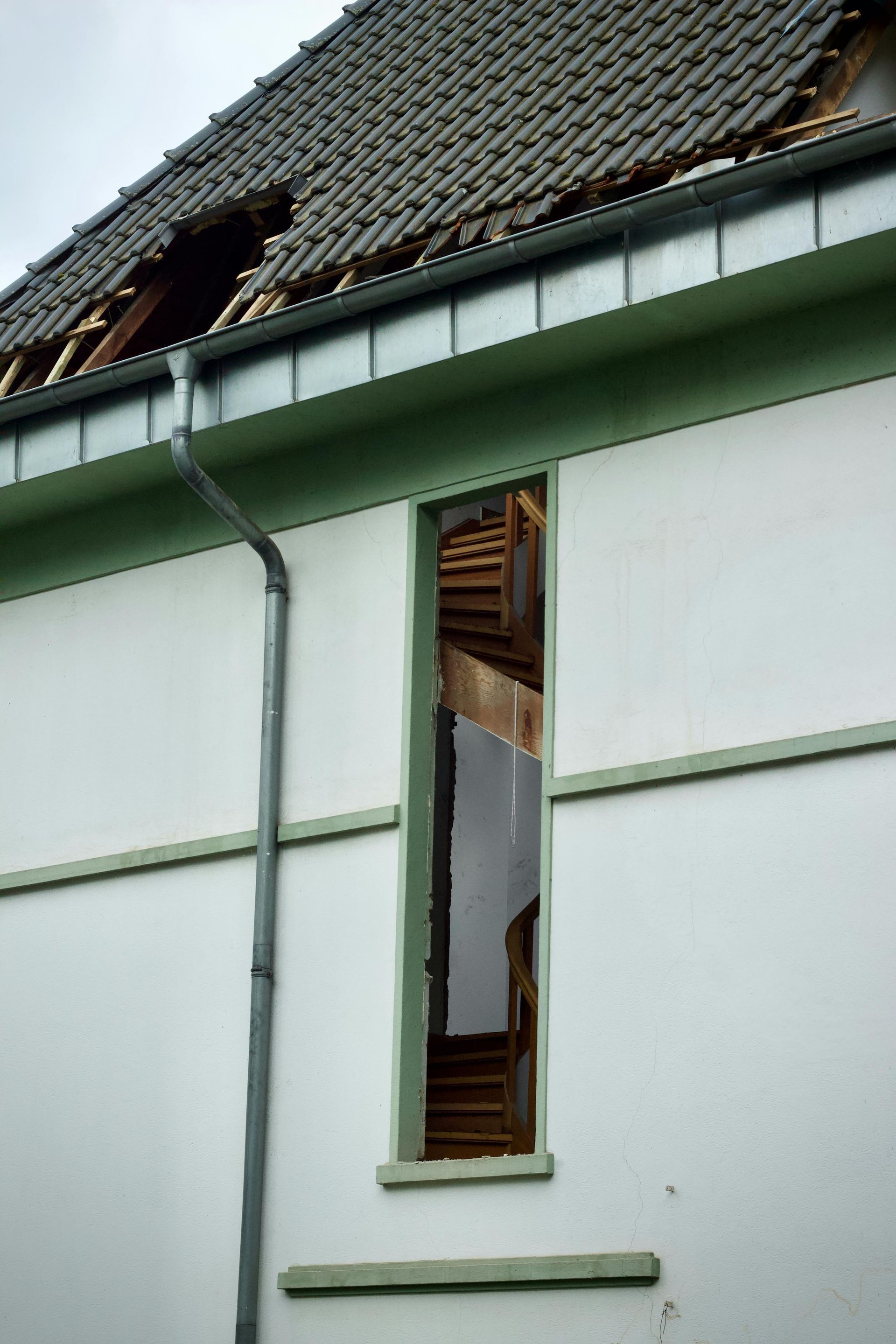
Signs of roof deterioration can lead to significant water damage if not addressed promptly. Gutter blockages can exacerbate this issue by preventing rain from draining properly, resulting in leaks . Regular roof maintenance is vital to ensure integrity. Improper roof installations can further complicate leak detection and lead to costly repairs. Understanding these factors is crucial for homeowners to protect their properties effectively.
Signs of Roof Deterioration
Homeowners in Charlotte should be vigilant about signs of roof deterioration, as this can significantly elevate the risk of water damage. Visible sagging, missing shingles, or dark spots can indicate underlying issues that may lead to leaks affecting crawl spaces and potentially damaging electrical wiring . Promptly addressing these warning signs can prevent emergency situations and help maintain a solid insurance policy against water -related damages.
Gutter Blockages and Their Consequences
Gutter blockages can lead to significant problems for homeowners in Charlotte, primarily by preventing rainwater from draining effectively. When gutters are clogged, water can overflow and saturate the soil around the foundation, causing soil erosion, which may lead to plumbing and sewage issues as well. Furthermore, this standing water can create a pathway for water to seep into the home, posing risks to both the structural integrity and electricity systems, increasing the chances of costly repairs and restorations.
Importance of Regular Roof Maintenance
Regular roof maintenance is crucial for homeowners in Charlotte to prevent water damage and associated issues. Roof corrosion can lead to leaks that compromise the integrity of the home and damage personal belongings, including those from appliances like dishwashers and toilets. By routinely inspecting and maintaining the roof , homeowners can effectively mitigate risks of water intrusion and the resulting costly repairs, ensuring a safe and secure living environment.
Effect of Improper Roof Installations
Improper roof installations can lead to significant water damage risks for homeowners in Charlotte. When a roof is not correctly fitted, it may allow water to leak into the structure, compromising materials like wood flooring and causing damage to walls and ceilings. Additionally, blocked pipes from poor alignment can cause water to pool, eroding concrete foundations and promoting mold growth, making it crucial for residents to ensure expert installation and regular maintenance of their roofs to prevent extensive and costly damage.
Foundation Vulnerabilities and Water Intrusion
Identifying cracks and gaps in foundations is essential for homeowners to prevent water intrusion. Poor grading around homes can exacerbate water issues, while fluctuating water table levels can compromise structural integrity. Understanding these risks, along with implementing responsive measures, ensures proper management of potential water damage, protecting valuable items such as furniture and appliances like washing machines and bathtubs.
Identifying Cracks and Gaps in Foundations
Identifying cracks and gaps in foundations is critical for preventing water intrusion, which can lead to costly repairs and damage to wooden structures in homes. Homeowners should routinely examine their foundations, specifically around areas like laundry rooms where leaks can often occur due to poor drainage . Even small gaps can allow moisture to seep in, posing risks to both the foundation and interior of the home, making early detection essential in safeguarding against extensive water damage.
Implications of Poor Grading Around Homes
Poor grading around homes can lead to significant water intrusion issues, as improper slope may direct rainwater towards foundations instead of away from them. This inadequate drainage creates a prime environment for mildew and mold growth, particularly in areas like laundry rooms where moisture levels can already be elevated. Homeowners should be vigilant about clearing debris and ensuring proper grading to prevent potential backups during heavy rainfall, which can necessitate costly water extraction efforts and compromise the integrity of their property .
Water Table Levels and Their Effects on Structures
Water table levels can significantly impact the structural integrity of homes in Charlotte, particularly concerning foundation vulnerabilities and water intrusion. When the water table rises, often due to heavy rain or melting snow , it can lead to saturation around the foundation, increasing the risk of flooding. This excess moisture can cause drywall to deteriorate, creating a breeding ground for mold that poses health risks to residents. Homeowners must monitor their property ’s drainage and consider landscape adjustments to manage water effectively, lessening the possible damage from rising water table levels.
Responsive Measures to Foundation Issues
To effectively address foundation vulnerabilities, homeowners in Charlotte should consider regular inspections to identify and seal any gaps or cracks. Implementing proper drainage solutions, such as grading the landscape and maintaining gutters, can direct water away from the foundation, reducing the risk of water intrusion. Additionally, investing in sump pumps and waterproofing systems can provide an extra layer of protection, ensuring that homes remain safe and dry even during heavy rains.
Appliance Failures as a Source of Water Damage
Washing machines and dishwashers are often overlooked sources of water damage in homes. Malfunctions in water heaters can lead to significant flooding as well. Regular maintenance is essential to prevent these appliance failures. In this section, practical solutions for addressing leaks and minimizing damage will be explored, offering homeowners valuable insights into protecting their properties.
Risks Associated With Washing Machines and Dishwashers
Washing machines and dishwashers are significant sources of water damage in Charlotte homes, often leading to costly repairs and disruptions. Common issues include faulty hoses, poor connections, and overflow situations, which can result in water pooling on floors and damaging surrounding areas. Regular inspections and maintenance can help homeowners identify potential problems early, reducing the risk of flooding and ensuring that these essential appliances operate safely and efficiently.
Water Heater Malfunctions and Their Consequences
Water heater malfunctions can result in significant water damage in Charlotte homes, often leading to flooding in basements or utility rooms. Common issues, such as faulty thermostats or corroded tanks, can cause water to leak , saturating areas and damaging floors and walls. Homeowners are encouraged to conduct regular maintenance checks on their water heaters to identify early signs of trouble and prevent costly repairs and restoration efforts associated with water -related damages.
Regular Maintenance for Household Appliances
Regular maintenance of household appliances is vital for homeowners in Charlotte to prevent water damage. Tasks such as inspecting hoses for wear, ensuring seals are intact, and checking connections can significantly reduce the risk of leaks from washing machines and dishwashers. By prioritizing routine checks and addressing minor issues early, residents can avoid costly repairs and protect their homes from potential flooding caused by appliance failures.
Emergent Solutions for Appliance-Related Leaks
To effectively address appliance-related leaks in Charlotte homes, homeowners should implement several key strategies. Regularly inspecting washing machines and dishwashers for worn hoses or faulty connections can help identify issues before they escalate into significant water damage. Additionally, keeping a close eye on water heaters for signs of corrosion and ensuring appliances are installed correctly can prevent unexpected flooding, safeguarding the property from costly repairs and promoting a secure living environment.
External Factors Affecting Residential Water Damage
Landscaping and irrigation systems can influence water damage risks by directing excess water toward foundations. Nearby bodies of water pose additional threats, especially during heavy rain . Ground settling around homes creates vulnerabilities in structures, while ongoing construction can disrupt drainage and increase water entry risks. Each of these factors highlights the importance of proactive management to mitigate potential water damage in residential areas.
Impacts of Landscaping and Irrigation Systems
Landscaping and irrigation systems play a significant role in managing water flow around residences in Charlotte. When designed improperly or not maintained, they can direct excess water toward foundations, increasing the risk of water intrusion. Homeowners should regularly assess their landscaping to ensure it promotes efficient drainage and prevents moisture buildup, thereby protecting their properties from potential water damage issues.
Nearby Bodies of Water and Their Influence
Nearby bodies of water can significantly influence water damage risks for homes in Charlotte. During heavy rainfall, these water sources may overflow, leading to potential flooding that can affect nearby properties. Homeowners should consider their proximity to rivers, lakes, or ponds and proactively ensure proper drainage systems are in place to direct water away from their foundations, minimizing the risk of water intrusion and subsequent damage.
Settling of Ground Around Homes
Settling of ground around homes in Charlotte can significantly increase the risk of water damage, as improper grading often directs rainwater toward foundations instead of away from them. This shift can lead to moisture accumulation, creating ideal conditions for mold growth and structural issues. Homeowners should regularly inspect their properties and ensure proper drainage solutions are in place to mitigate these risks and protect their residences from potential water damage. For those facing these issues, water damage restoration Carolina services can provide the necessary assistance.
The Role of Construction Activity in Water Damage Risk
Construction activity in Charlotte can significantly influence water damage risks for nearby homes. When new developments or renovations occur, they can disrupt the natural drainage patterns, often leading to increased water accumulation around existing properties. Homeowners are encouraged to monitor any construction in their vicinity and make necessary adjustments, such as improving drainage systems, to mitigate potential water intrusion and protect their homes from extensive damage.
Understanding the top residential water damage risks in Charlotte is crucial for homeowners to maintain the integrity of their properties. Factors such as heavy rainfall, plumbing issues, and poor drainage can lead to significant damage if not addressed promptly. Regular inspections, proactive maintenance, and effective water management strategies are essential for preventing costly repairs and ensuring a safe living environment. By staying informed and vigilant, homeowners can safeguard their investments and mitigate the risks associated with water damage.
Official Carolina Pro Restoration Blog
Water Damage in Charlotte NC: What to Do in the First 24 Hours
Water Damage Restoration in Matthews NC: What Homeowners Need to Know
How to File a Water Damage Insurance Claim in South Carolina
Dealing With Water Damage Right Now?
Our Fort Mill team answers 24/7 and can be on site fast. One call, one crew, start to finish.