When Water Hits Home: Fort Mill's Flooding History
Fort Mill has a long history of flooding from Sugar Creek and severe storms. Learn how local flooding has shaped York County and what homeowners should know.
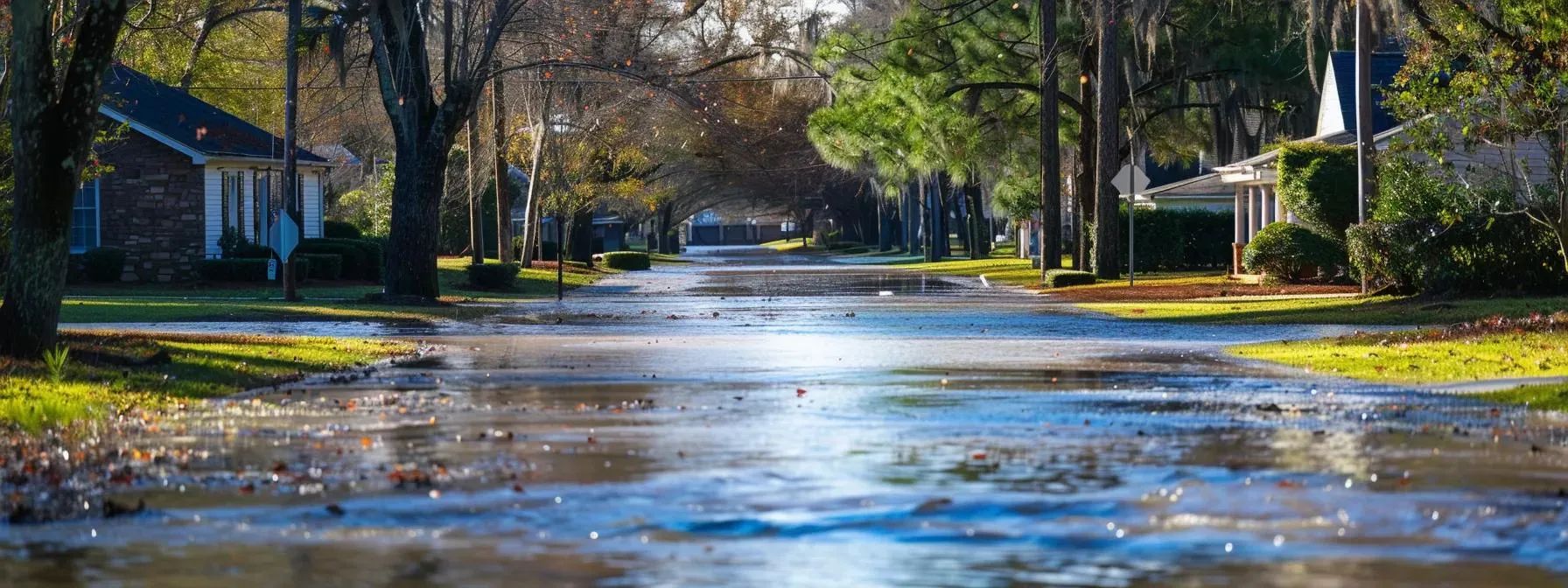
Water has shaped Fort Mill just as much as the people who live here. Our York County town has dealt with some serious floods over the years. When heavy rains come, many locals end up calling water damage restoration experts for help. Knowing about our flood history can help you protect your home better.
Why Fort Mill Floods
Ever wonder why some parts of Fort Mill flood so easily? It's pretty simple - we're surrounded by water. The Catawba River runs along our eastern side, and smaller creeks like Sugar Creek and Steele Creek wind through our neighborhoods.
Our land has lots of hills and low spots where water collects during storms. As more houses and parking lots have been built, the rain can't soak into the ground like it used to. That's why more people need water damage company help after big storms these days.
The Monster Flood of 1916
The biggest flood we've ever seen hit in July 1916. A huge storm parked itself over the Carolinas and just wouldn't leave. While western North Carolina took the worst beating, we felt it bad here too when the Catawba River went crazy.
It rained for three days straight - some places got 20 inches! The river rose 47 feet higher than normal. Bridges crashed down, homes washed away, and the textile mills along the river got hammered. In Fort Mill, water filled up lower areas and wrecked a lot of property. If we'd had today's water damage restoration tools back then, folks might have saved more of their homes.
This flood was so bad that people started building dams on the Catawba to stop it from happening again.
Hurricane Hugo Hits Home (1989)
Hurricane Hugo wasn't just a coastal problem. When it smashed into South Carolina in September 1989, it kept going strong all the way to us. Even this far inland, we got slammed with heavy rain and winds hitting 85 mph.
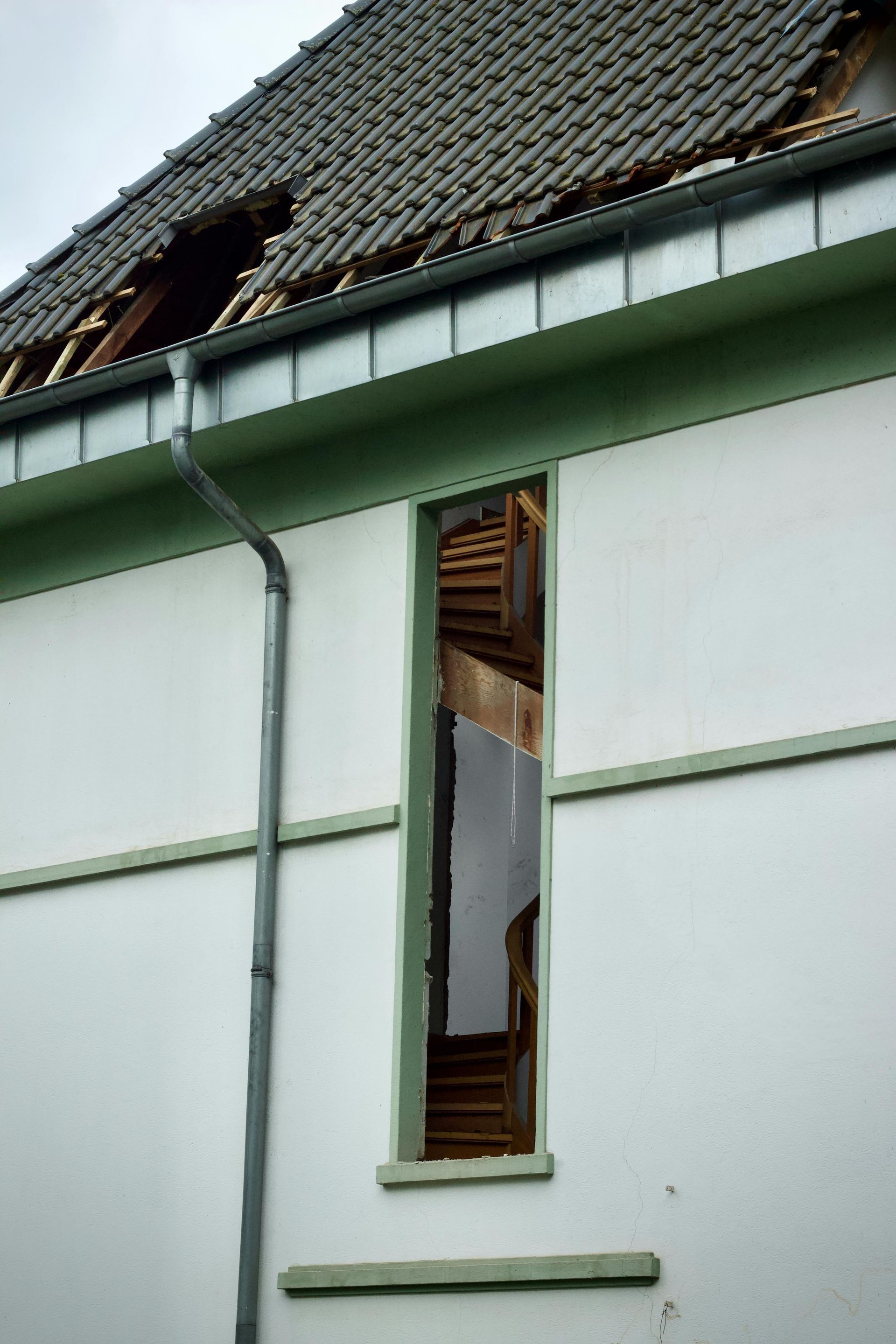
Hundreds of homes and businesses across York County ended up with water damage. Many Fort Mill families came home to flooded basements and leaky roofs. Local water damage company phones rang off the hook with people begging for help. There just weren't enough restoration crews to go around.
After Hugo, York County got serious about better emergency plans for future floods.
The 2016 Floods: History Repeats
Exactly a hundred years after the big 1916 flood, we got hit again when Hurricane Matthew's leftovers dumped tons of rain on us. Fort Mill didn't get the worst of it, but several neighborhoods still had flash floods when the creeks jumped their banks.
Something weird happened in 2016 - areas that had never flooded before suddenly had water problems. All the new roads, parking lots, and buildings meant the rain couldn't soak in like it used to. Homeowners learned fast how important water damage restoration professionals are when you've got water in your house.
Fort Mill restoration crews worked day and night pumping out water, drying houses, and stopping mold from growing. They saved many homes from getting totally ruined.
Flash Floods: Our New Normal
Lately, Fort Mill has been dealing with more quick, intense floods. Big thunderstorms dump 3-4 inches of rain in just a couple hours, overwhelming our drainage systems. We saw bad flash floods in both 2018 and 2020, when summer storms flooded areas along Sugar Creek.
These flash floods hit newer neighborhoods especially hard. Their drainage systems just can't handle that much rain at once. More and more homeowners are now on a first-name basis with water damage company technicians who help them clean up flooded basements and crawl spaces.
How Water Damage Pros Help Fort Mill Bounce Back
Through all these floods, one thing stands out - we need good water damage restoration companies to help us recover. As Fort Mill has grown, so has the technology to fix water damage.
Today's water damage pros in Fort Mill use cool equipment like:
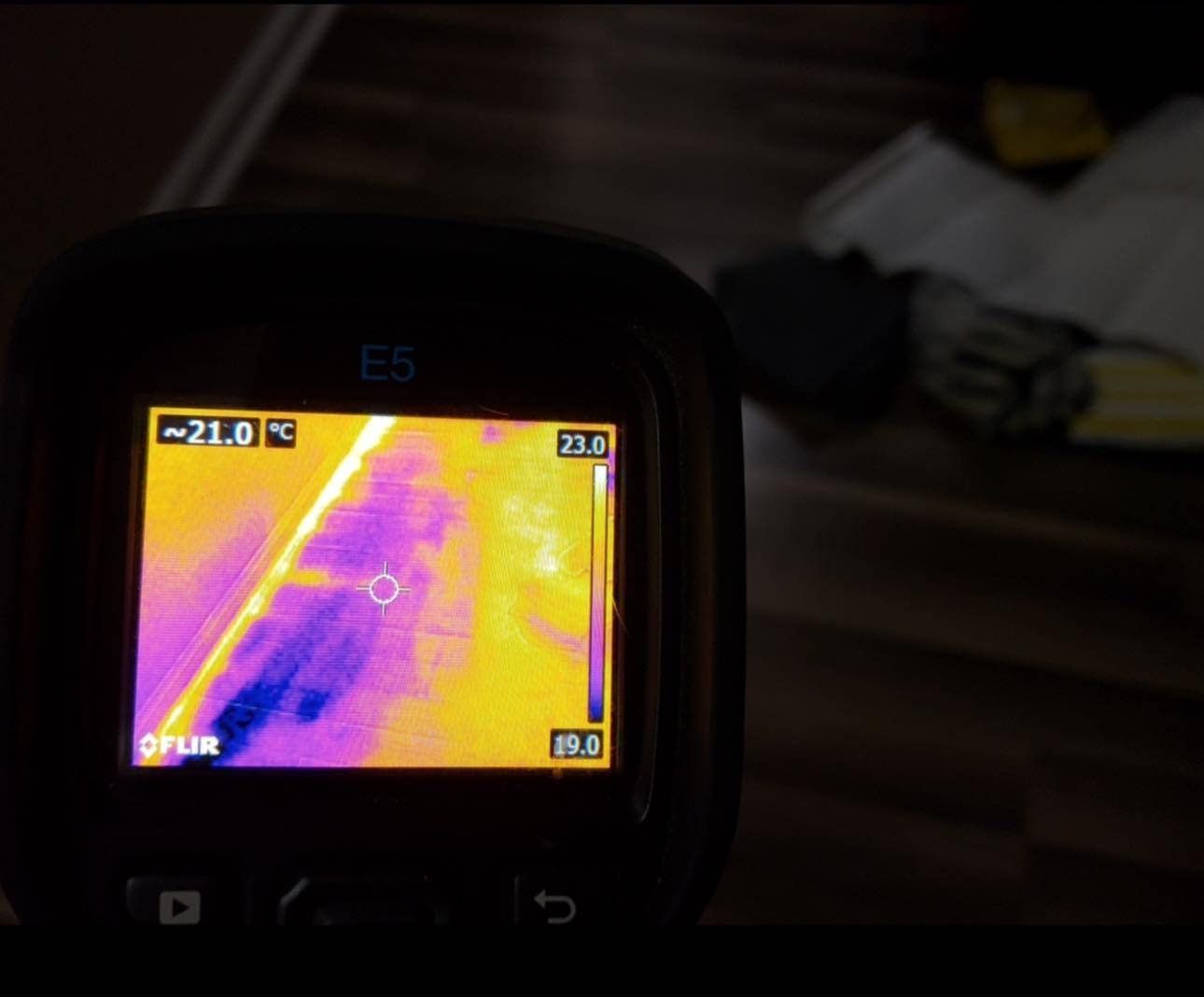
- Special cameras that can "see" hidden moisture in walls
- Super-powerful pumps that suck water out fast
- Industrial dehumidifiers that dry things quicker
- Special drying equipment for different materials
- Anti-mold treatments that stop mold before it starts
With this high-tech equipment and know-how, restoration pros can often save homes that would have been total losses in the past.
Learning From The Past: What Fort Mill Folks Should Do Now
Fort Mill's flood history teaches us some important lessons:
- Know your flood risk : Don't wait until water's in your living room to find out your house sits in a low spot. Get a pro to check your property before problems start.
- Keep important stuff safe : So many Fort Mill families lost photos, important papers, and family keepsakes in floods. Store these things up high or in waterproof containers.
- Get flood insurance : Even if your house isn't in an official "flood zone," you might still get water damage during crazy storms.
- Save a good restoration company's number : When everyone's calling for help after a flood, you'll get faster service if you already have a relationship with a trusted water damage company in Fort Mill.
- Flood-proof your home : Many newer Fort Mill homes now have sump pumps and better drainage because we've learned from past floods.
The Future: More Rain Coming Our Way?
What does Fort Mill's flood history tell us about the future? Scientists say the Southeast, including York County, will likely get more frequent and heavier rainstorms in coming years.
For us in Fort Mill, that probably means more flash floods and more strain on our storm drains and sewer systems. Having good water damage restoration companies nearby will be even more important as we face these changing weather patterns.
Wrapping Up: Being Ready is Everything
Fort Mill has always bounced back from floods. From the huge flood of 1916 to last year's flash floods, each time we get hit, we learn something new about protecting our homes.
As Fort Mill keeps growing, we'll need to keep working with professional water damage company teams. These pros don't just clean up after disasters - they help us prevent damage in the first place with their knowledge of our area's unique flood patterns.
For those of us living in Fort Mill today, the message is clear: know your flood risks, prepare your home, and have a good restoration company's number handy. The difference between minor damage and a total disaster often comes down to how quickly you can get professional help.
Worried about flooding at your Fort Mill home? Need help after water damage? Call the local experts at Carolina Pro Restoration for fast, professional help from people who know Fort Mill's flooding history.
Official Carolina Pro Restoration Blog
Water Damage in Charlotte NC: What to Do in the First 24 Hours
Water Damage Restoration in Matthews NC: What Homeowners Need to Know
How to File a Water Damage Insurance Claim in South Carolina
Dealing With Water Damage Right Now?
Our Fort Mill team answers 24/7 and can be on site fast. One call, one crew, start to finish.