
From the CPR Team
Water Damage & Restoration Guides
Practical, local advice on water damage, mold, crawl spaces, and insurance — written by the Fort Mill crew who handles these jobs every day.

Water Damage in Charlotte NC: What to Do in the First 24 Hours
Water damage in Charlotte NC spreads fast — mold can start in 24 hours. Here's what to do first, what restoration costs, and why one contractor handling everything matters.
Read the guide-
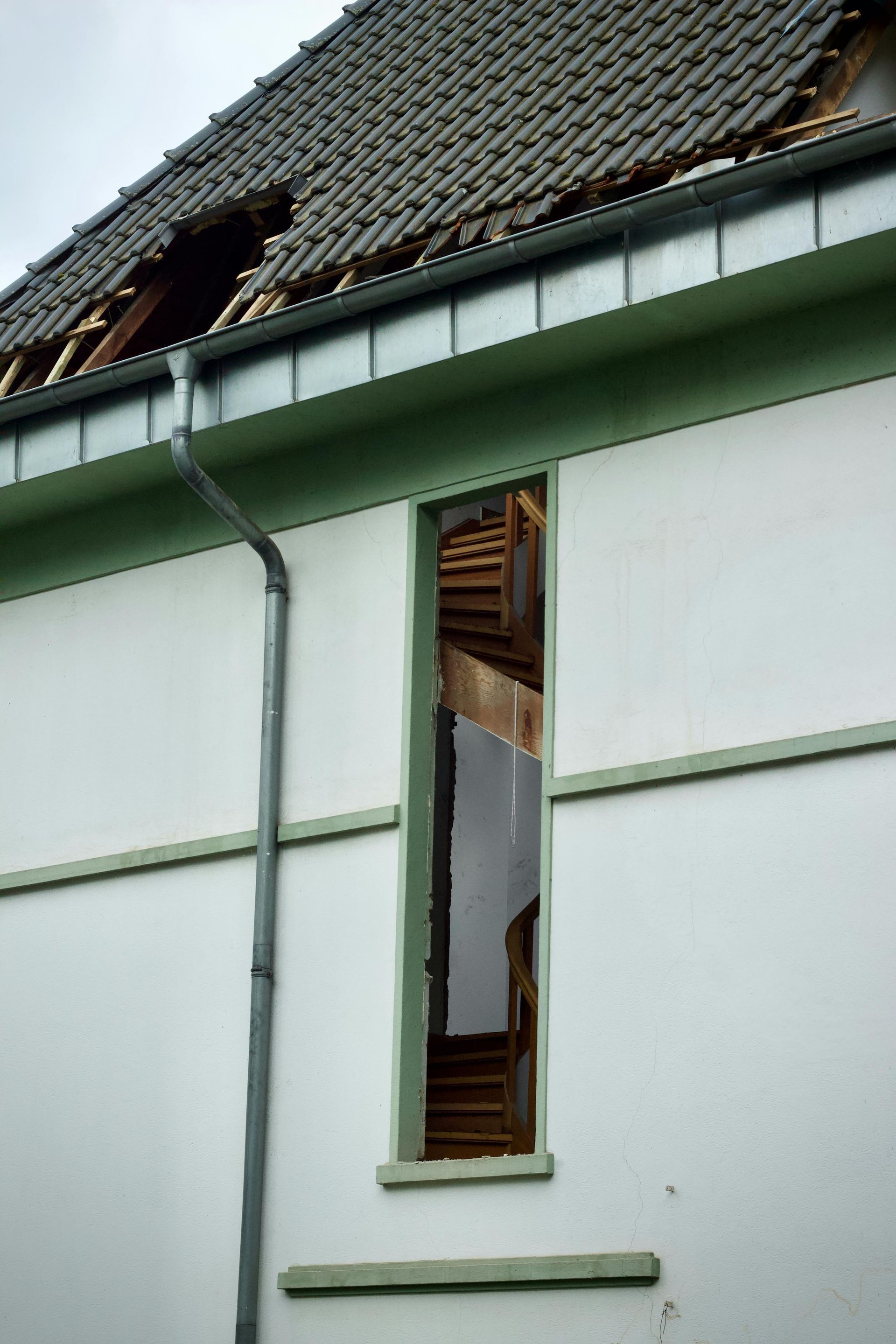
Water Damage Restoration in Matthews NC: What Homeowners Need to Know
Dealing with water damage in Matthews NC? Learn what to do in the first hour, what restoration costs, and how Carolina Pro Restoration responds 24/7 across Mecklenburg County.
Read more -
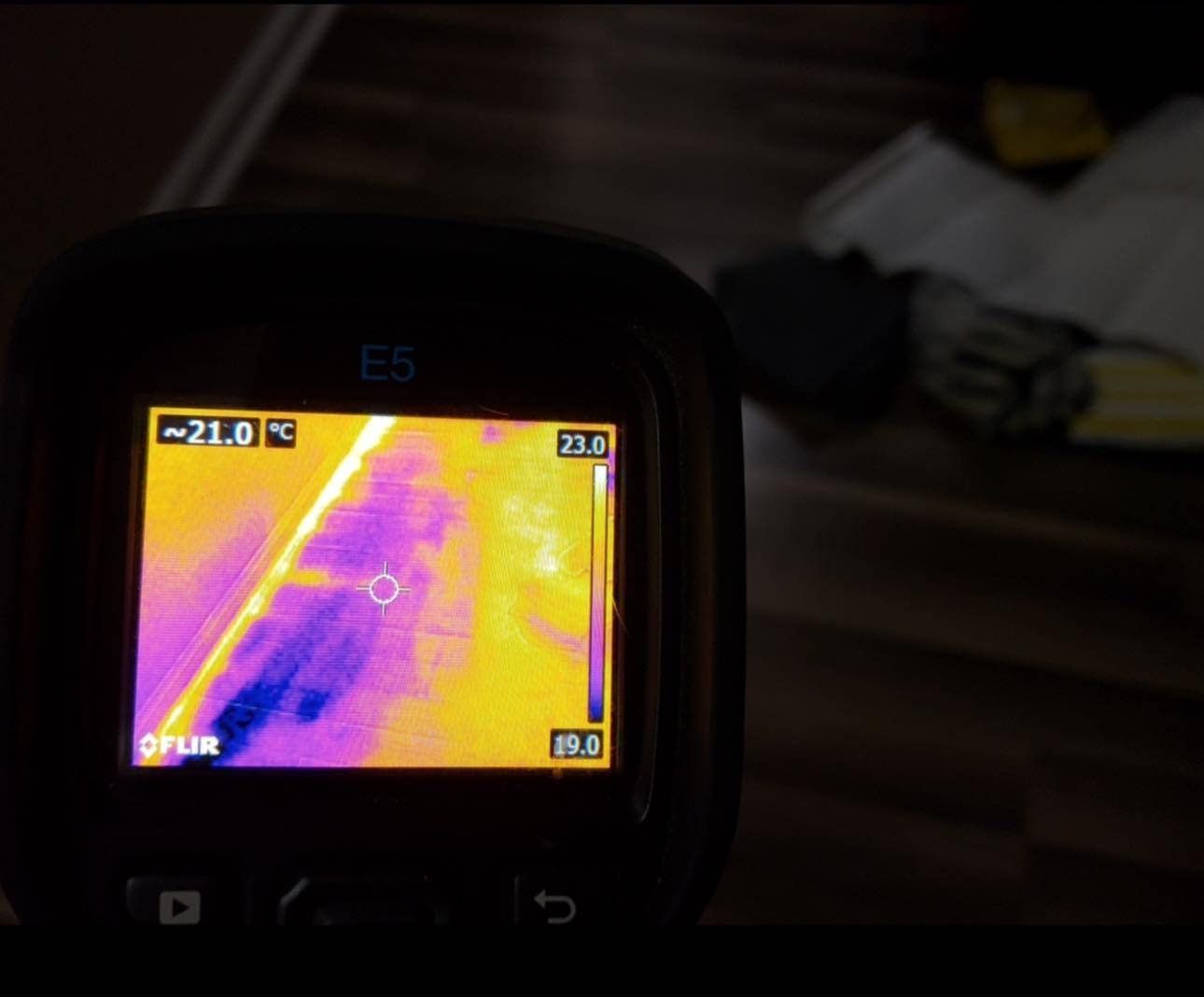
7 Signs You Have Hidden Water Damage in Your Fort Mill or Rock Hill Home
Fort Mill homeowners often miss these 7 warning signs of hidden water damage. Carolina Pro Restoration explains what to look for and when to call.
Read more -

How to File a Water Damage Insurance Claim in South Carolina
Step-by-step guide for Fort Mill & Rock Hill homeowners. What's covered, how to document damage, and how Carolina Pro Restoration handles the claims process for you.
Read more -
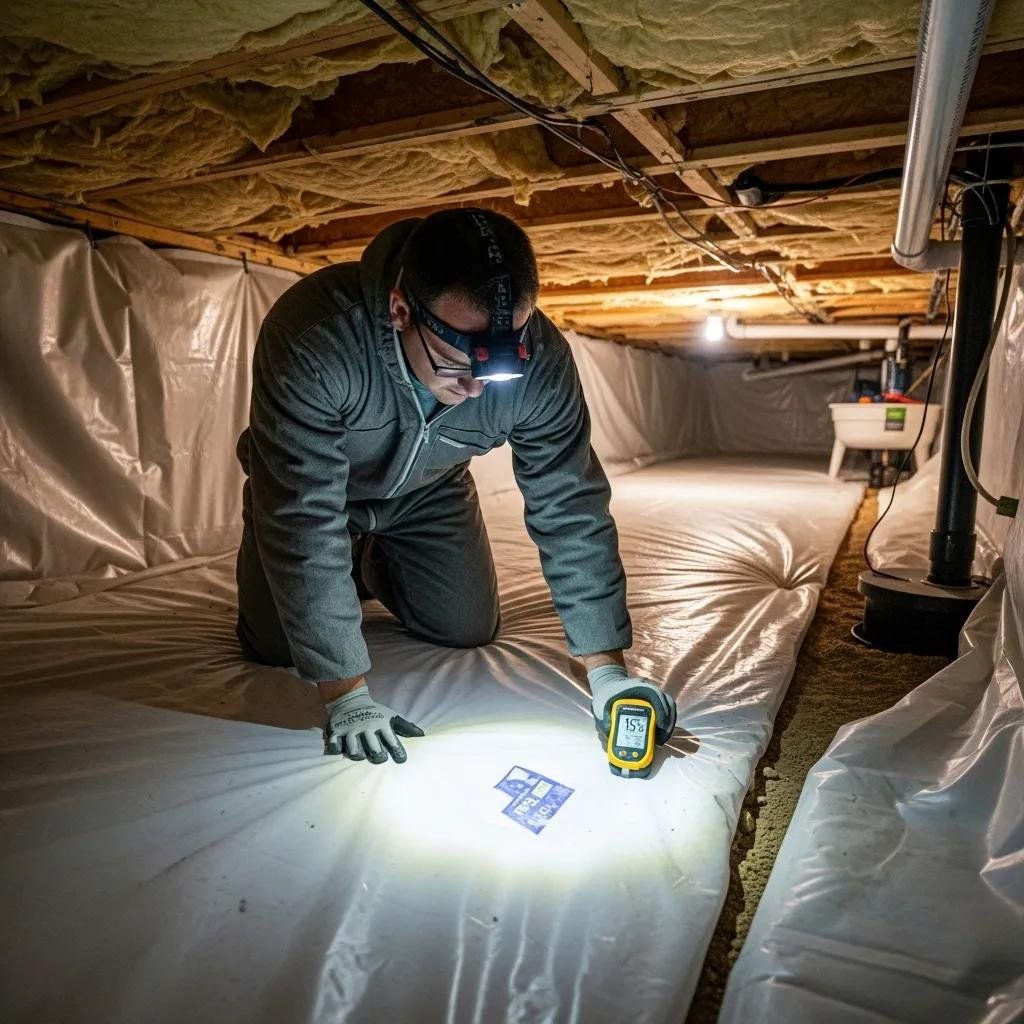
Why Tega Cay Homes on the Lake Wylie Peninsula Get Water Damage Faster Than You Think
Tega Cay sits on Lake Wylie with a high water table, aging pipes, and new construction runoff. Learn why peninsula homes face water damage risks year-round.
Read more -
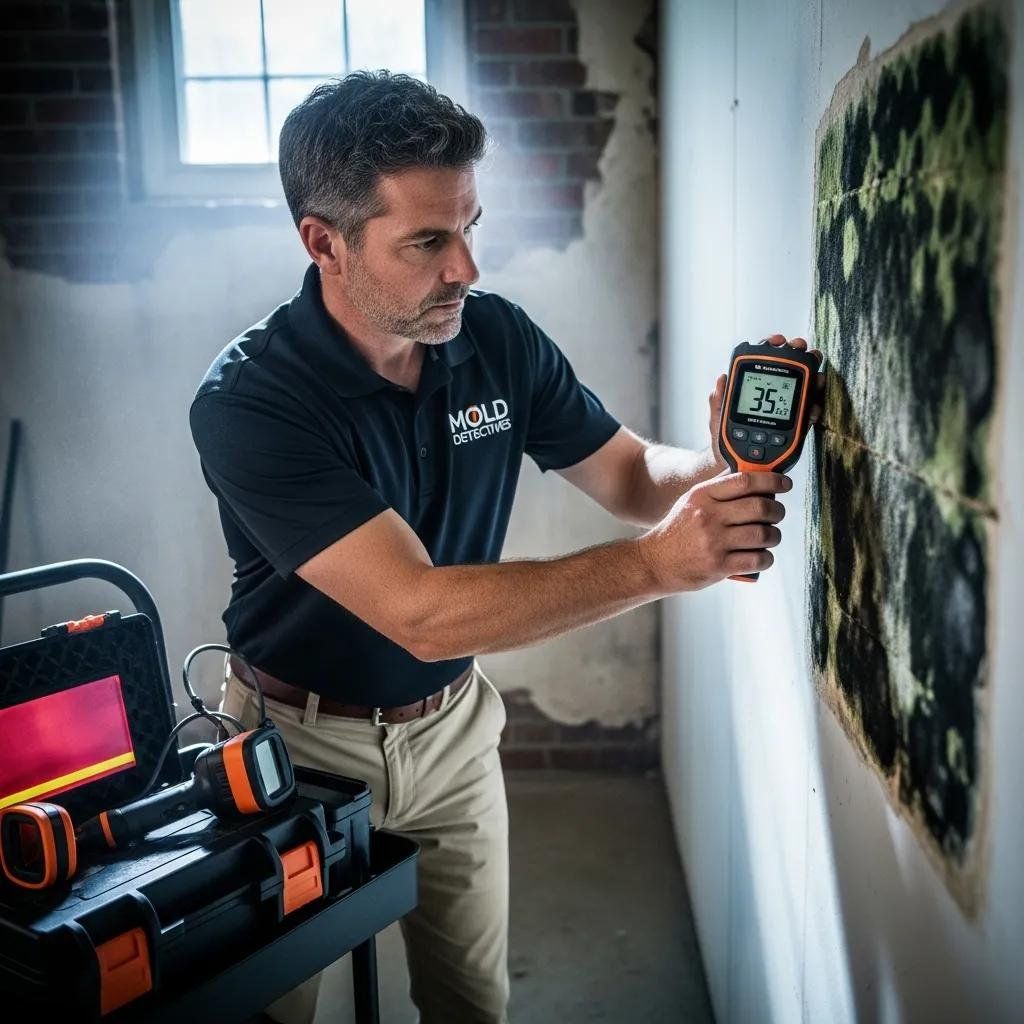
Professional Mold Inspections & Air Quality Testing — Trusted Service for Fort Mill and Charlotte
Mold can harm your health and damage your property. Learn what professional mold inspections and air quality testing involve and when to call Carolina Pro Restoration.
Read more -
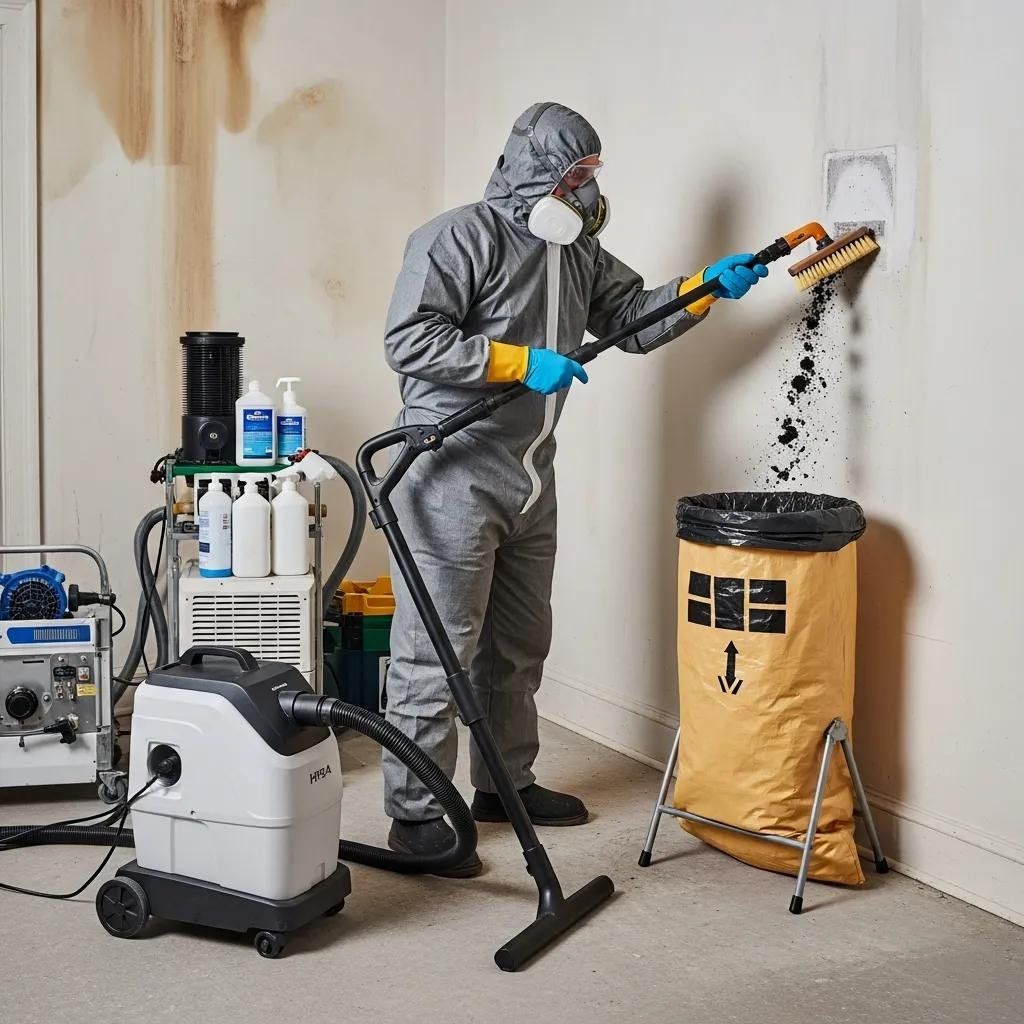
Safe, Effective Black Mold Removal: What to Expect and Typical Costs
Black mold can appear within 24–72 hours after moisture exposure. Learn how professionals identify and safely remove Stachybotrys chartarum and what it typically costs.
Read more -
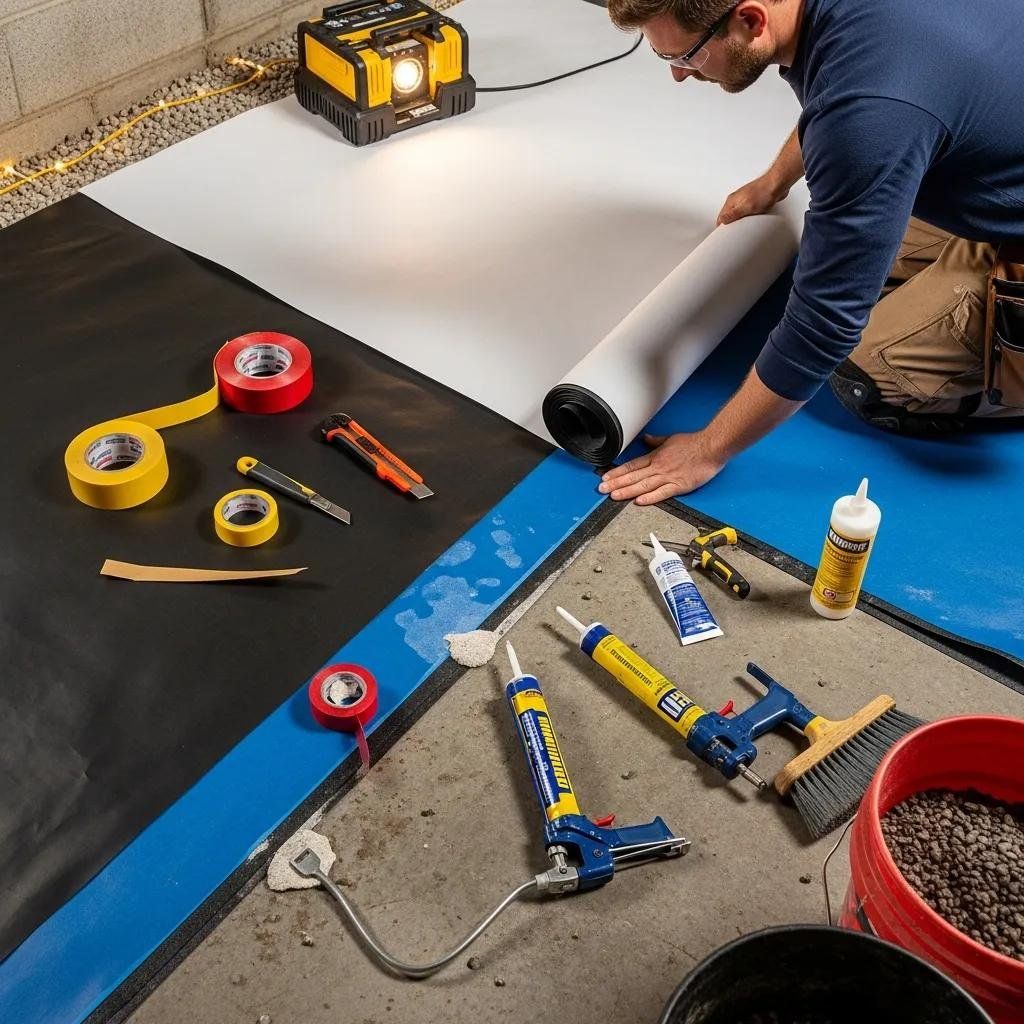
Professional Crawl Space Vapor Barrier Installation — Moisture Control & Mold Prevention
A crawlspace vapor barrier stops ground moisture before it becomes mold, wood rot, or musty air. Learn how professional installation works and when to repair or replace yours.
Read more -
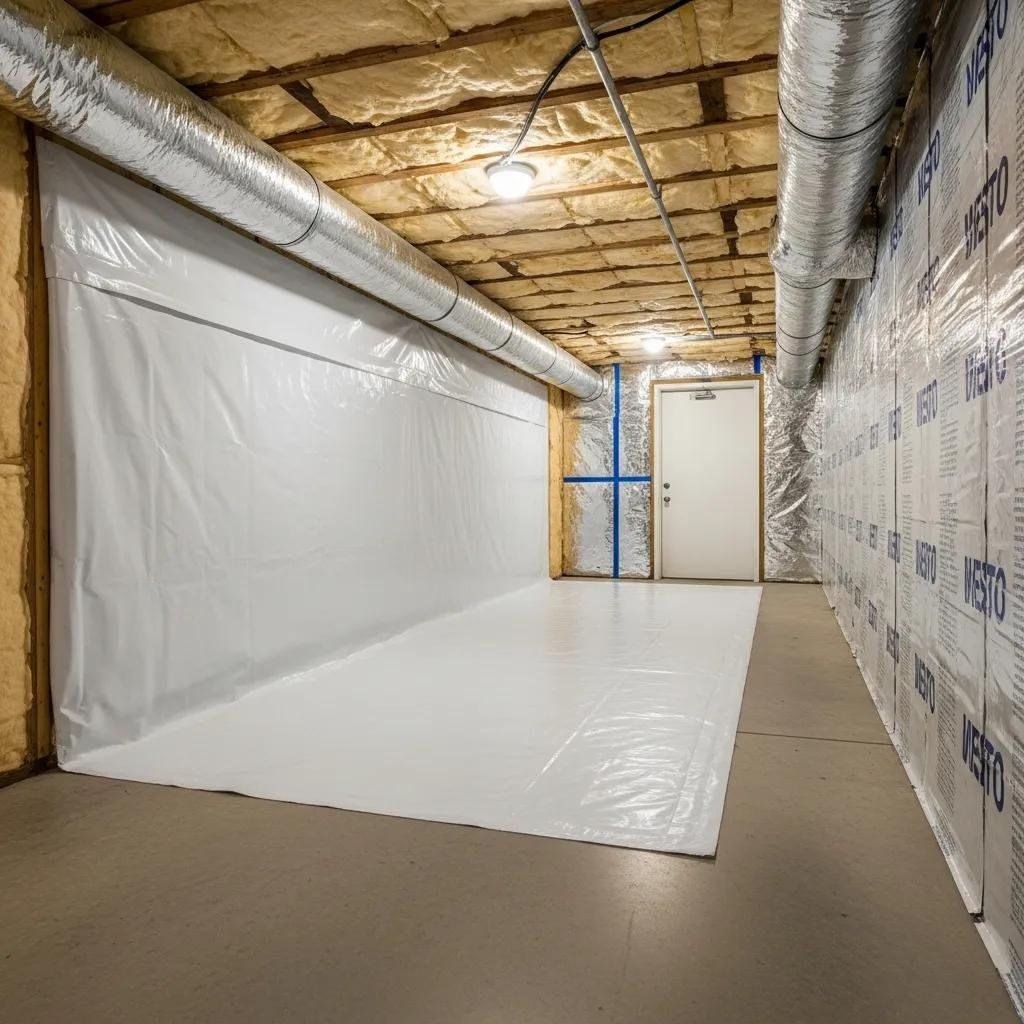
Why Encapsulate Your Crawl Space? Reduce Moisture, Stop Mold, and Lower Energy Bills
Crawlspace encapsulation reduces moisture, stops mold growth, and can lower energy bills. Learn why Fort Mill and Charlotte homeowners choose encapsulation over vented crawlspaces.
Read more -
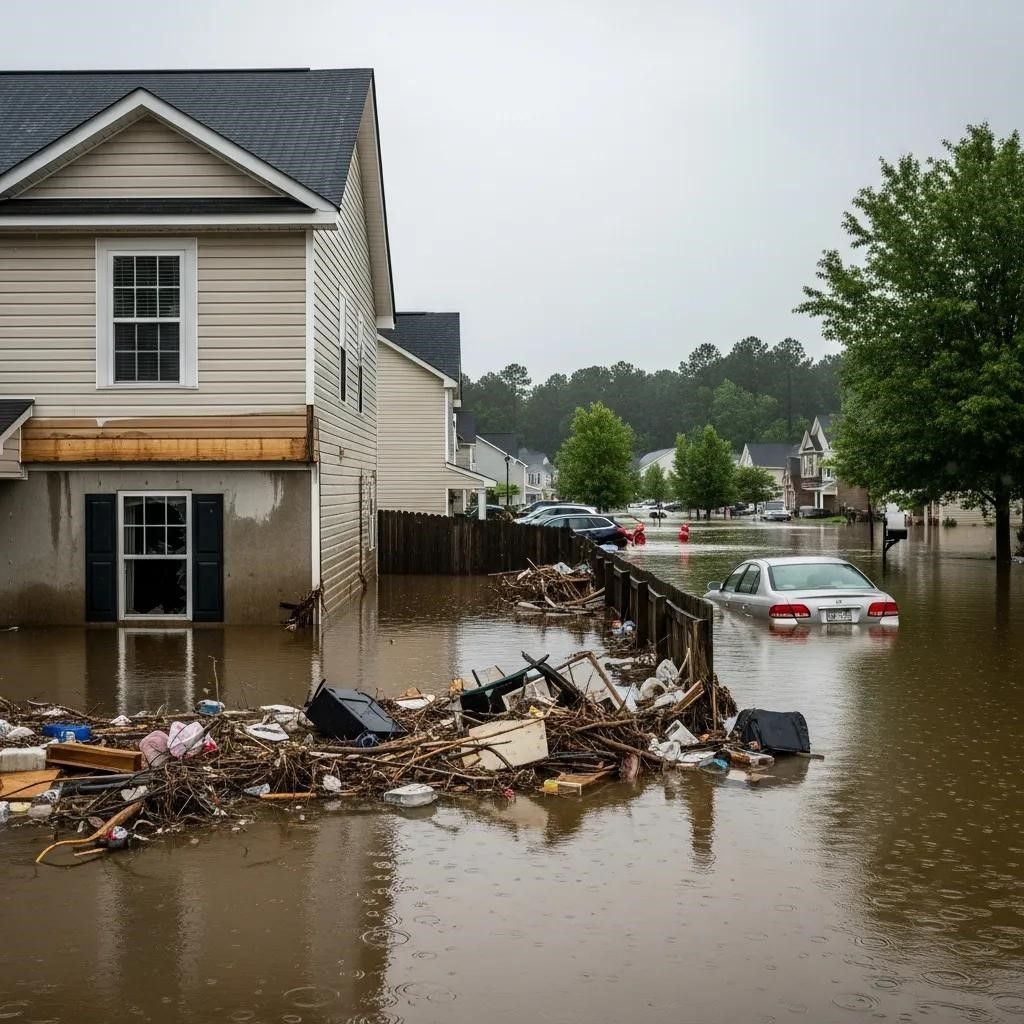
Fort Mill Water Damage Restoration: When Flooding Hits — History, Risks, and How to Protect Your Home
Fort Mill sees flooding from Sugar Creek, heavy storms, and aging plumbing. Learn the history of water damage in York County and how to protect your home year-round.
Read more -

Pineville NC Commercial District: Business Water Damage Protection
Discover how Pineville NC businesses can protect against water damage and minimize disruption. Learn about commercial restoration strategies and fast emergency response.
Read more -
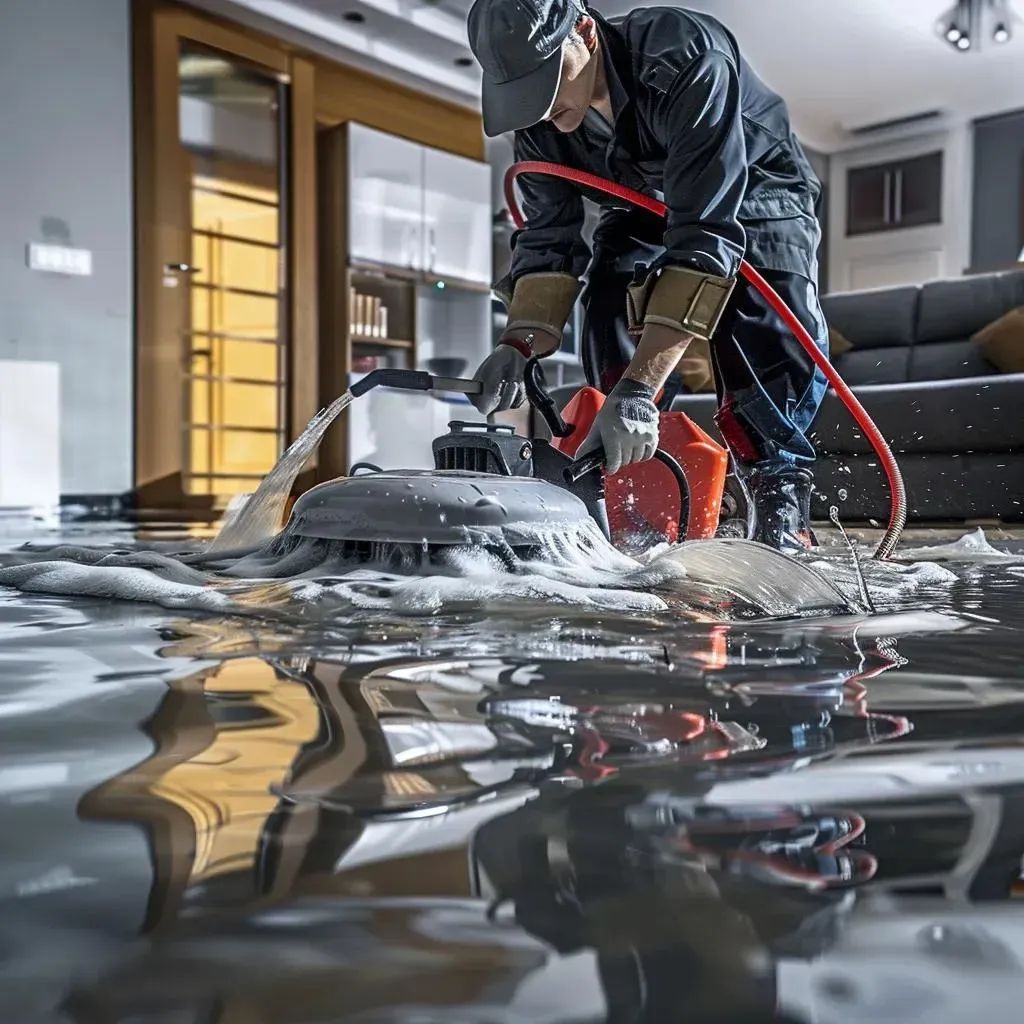
Your Guide: 10 Must-Ask Questions for Restoration Services
10 questions every homeowner should ask before hiring a water damage or mold restoration company. Know what to look for, what to avoid, and how to protect yourself.
Read more -

Rock Hill Historic Downtown: Special Water Damage Restoration for Older Buildings
Discover how Rock Hill's historic downtown buildings require specialized water damage restoration techniques. Learn about preserving character while ensuring safety and proper restoration.
Read more -

Pineville NC Water Damage: What Border Properties Face That Other Homes Don't
Pineville NC homeowners near the Charlotte border face unique water damage risks. Learn why rapid development, aging infrastructure, and dual-jurisdiction issues create problems — and how to fix them.
Read more -

Indian Land New Construction: Water Damage Risks Builders Don't Warn You About
New construction homes in Indian Land SC have water damage risks most buyers don't expect. Learn what causes them in Mill Creek, Brayden, and Ballantyne South — and how to catch them early.
Read more -
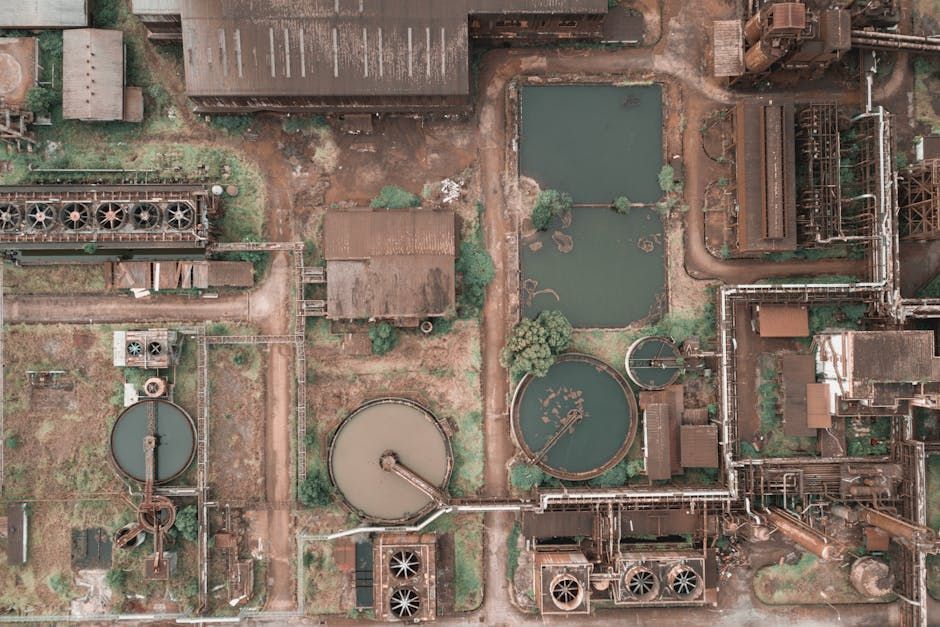
Rock Hill Clay Soil Problems: Why Your Home Needs Special Water Damage Protection
Rock Hill's clay soil creates unique water damage risks for your home. Learn how Cherry Park, Ebenezer, and India Hook homeowners can protect against clay soil flooding and foundation problems.
Read more -

Summer Storm Season Alert: Protecting Your Fort Mill Home from Water Damage
Fort Mill homes face real water damage risk during summer storm season. Learn how to protect Baxter Village, Springfield, and Regent Park properties before the next storm hits.
Read more -
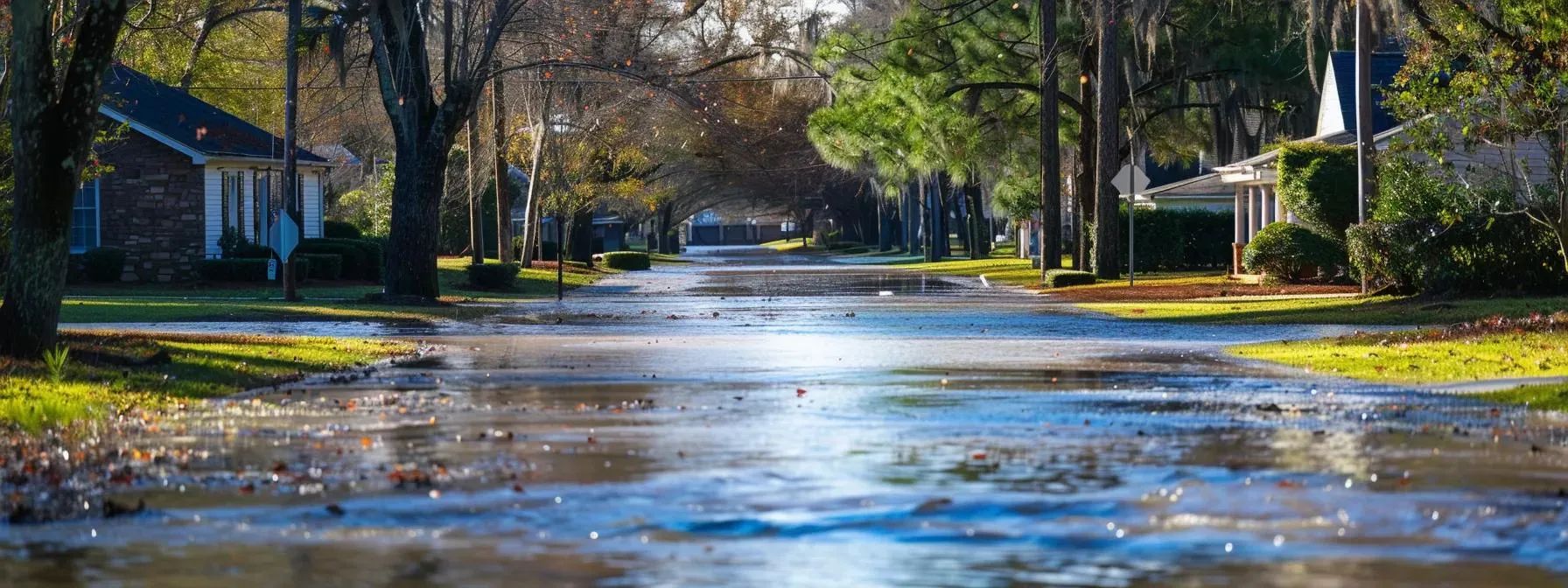
When Water Hits Home: Fort Mill's Flooding History
Fort Mill has a long history of flooding from Sugar Creek and severe storms. Learn how local flooding has shaped York County and what homeowners should know.
Read more -

How to Address Residential Water Damage Risks in Charlotte
Charlotte homeowners face water damage from aging pipes, creek flooding, and storm runoff. Learn the most common risks by neighborhood and how to respond fast.
Read more -
Fort Mill SC Mold Inspection Services Explained
Fort Mill SC mold inspection: what the process involves, what inspectors look for, and when you need professional testing vs. a visual check.
Read more -
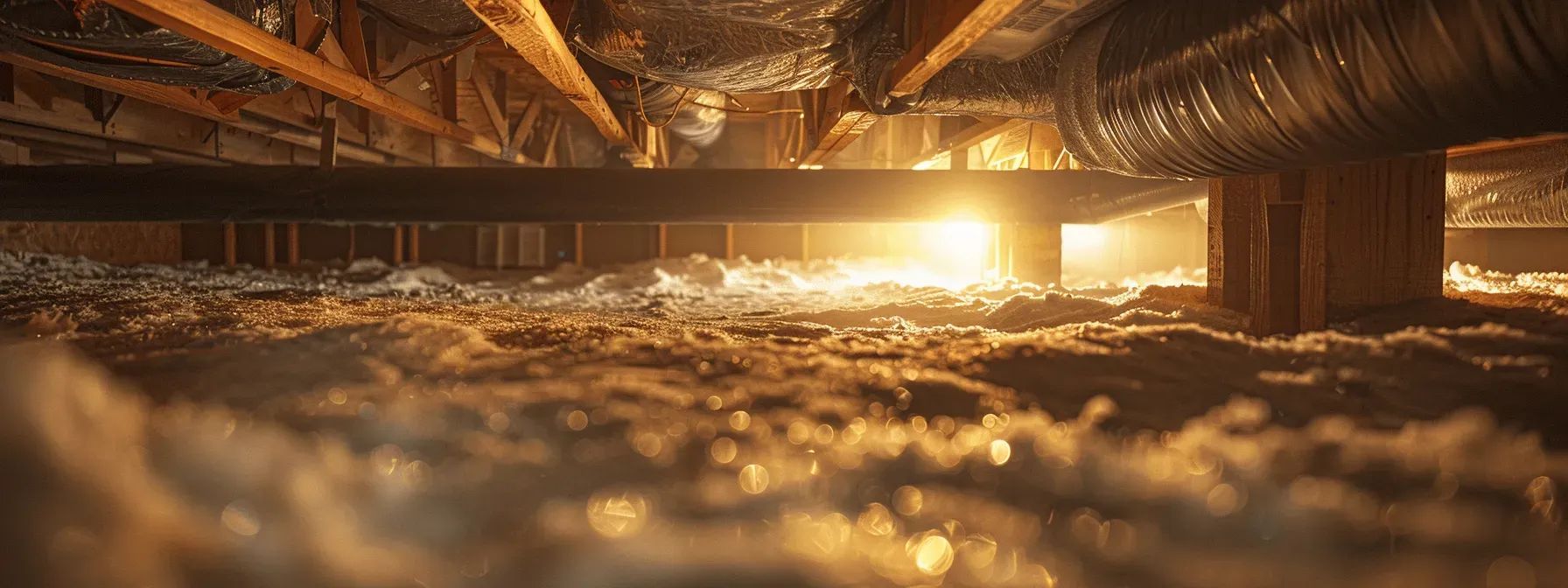
Discover Crawlspace Encapsulation Advantages in Fort Mill
Crawlspace encapsulation in Fort Mill reduces humidity, prevents mold, and protects your floors and framing. Learn the advantages and how Carolina Pro handles the process.
Read more -
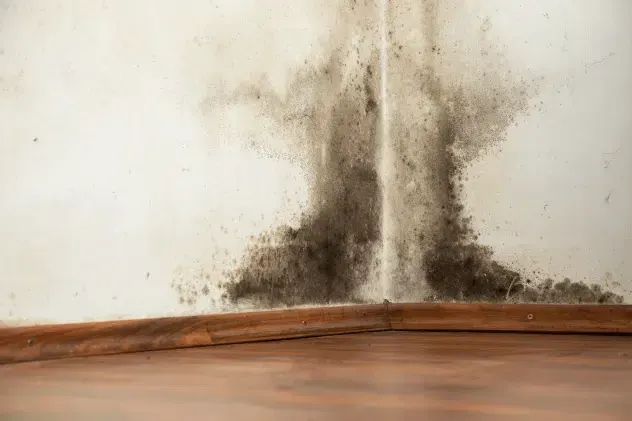
Could Mold Be Making You Sick? Here’s How Carolina Pro Restoration Can Help
Mold exposure can cause respiratory symptoms, allergies, and other health problems. Learn the warning signs and how Carolina Pro Restoration removes mold safely.
Read more
Have a Water Damage Emergency? Don't Wait — Call Us.
Get Fast, Local Help
Water won't wait, and neither do we. Call or text for a fast response, or send us the details and we'll get right back to you.
24/7 Emergency Response (980) 277-3700- We answer 24/7 and respond fast
- On-site assessment with a written scope
- We bill your insurance directly
- IICRC certified, SC licensed & insured
- One crew from cleanup to rebuild
Request an Assessment
No pressure. We'll get right back to you.