Summer Storm Season Alert: Protecting Your Fort Mill Home from Water Damage
Fort Mill homes face real water damage risk during summer storm season. Learn how to protect Baxter Village, Springfield, and Regent Park properties before the next storm hits.

Summer storm season is here in Fort Mill. Heavy rains and strong winds can cause serious water damage to your home. Our Fort Mill headquarters team wants to help you stay prepared and protect your family.
Fort Mill gets hit hard during summer storms. The good news? We live right here in town. That means we can reach your home fast when you need help most.
Why Fort Mill Homes Face Summer Storm Risks
Fort Mill sits in the perfect storm zone. We get heavy rainfall from summer thunderstorms. Our clay soil doesn't drain water quickly. This creates flooding around foundations.
Baxter Village townhomes face special challenges. Water can spread between connected units. Springfield's older homes have aging drainage systems. Regent Park families need to watch for basement flooding.
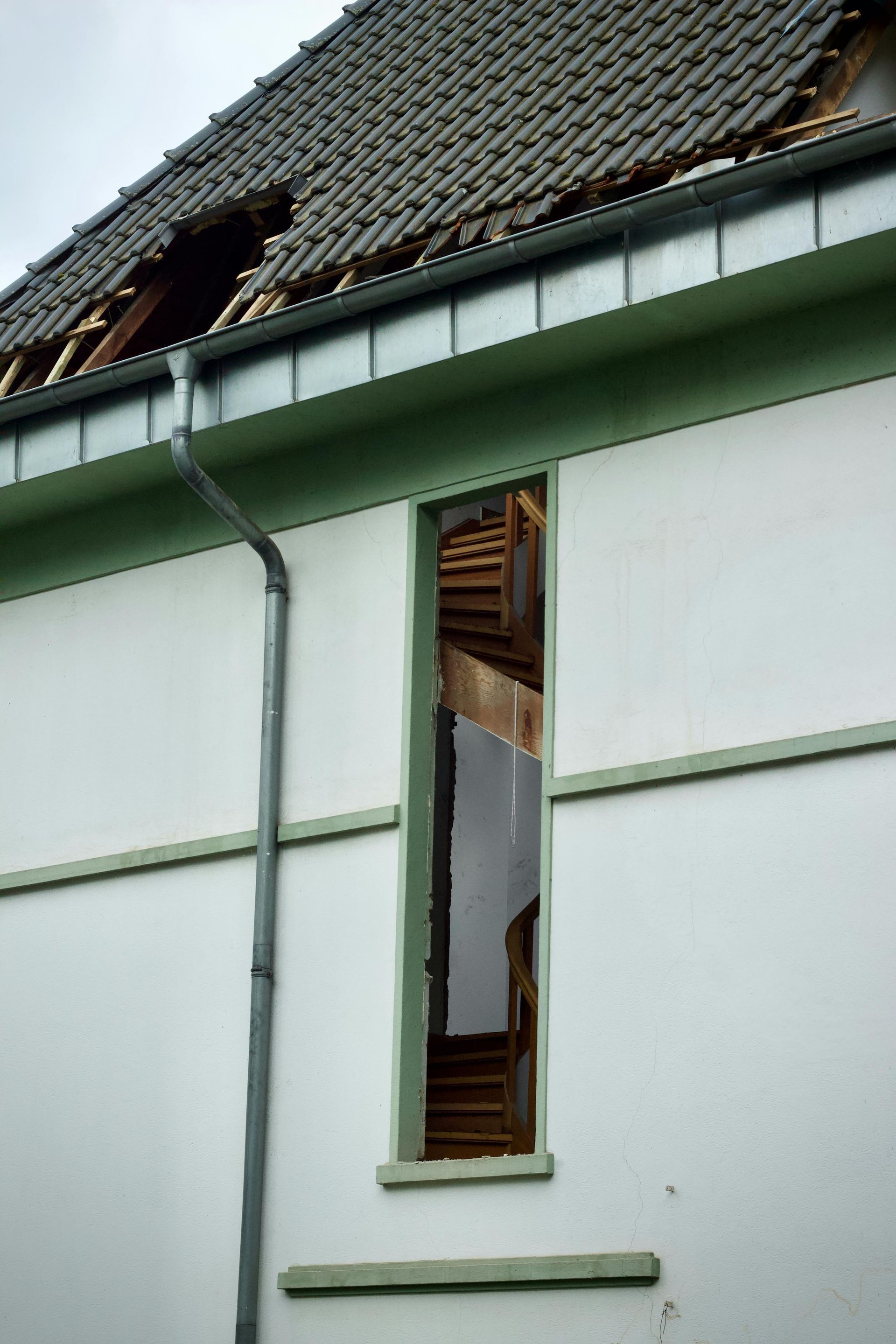
The trees we love in Fort Mill can become dangerous. Strong winds knock down branches. These can damage your roof and gutters. Blocked gutters overflow and flood your foundation.
Protect Your Fort Mill Home Before Storms Hit
Smart preparation saves money and stress. Here's what every Fort Mill homeowner should do:
Check Your Gutters: Clean out leaves and debris. Make sure water flows away from your house. Fix loose or broken sections now.
Test Your Sump Pump: Pour water in the pit. The pump should turn on and remove water quickly. Replace the battery in backup systems.
Inspect Your Roof: Look for loose or missing shingles. Check around chimneys and vents. Small problems become big leaks during storms.
Know Your Shut-Off Valve: Find your main water shut-off. Show family members where it is. You might need to turn off water quickly.
What to Do During a Fort Mill Storm
Stay safe first. Never go outside during severe weather. Watch for these warning signs inside your home:
Water coming through windows or doors. Wet spots on walls or ceilings. Unusual sounds from your basement or crawlspace. Flickering lights that might mean electrical problems.
Take photos of any damage you see. This helps with insurance claims later. But only if you can do it safely.
Why Choose Our Fort Mill Team
We're not just another restoration company. Our headquarters is right here in Fort Mill. We know Baxter Village's townhome layouts. We understand Springfield's older home challenges. We've helped Regent Park families through basement floods.
When storms hit, we don't have to drive from Charlotte or Rock Hill. We're already here. Our team lives in Fort Mill neighborhoods just like yours.
We work with all major insurance companies. We handle the paperwork while you focus on your family's safety. Our 24/7 emergency line connects you directly to local experts.
Fort Mill Summer Storm FAQs
How quickly can you respond in Fort Mill?
Our Fort Mill headquarters means we can reach your home in 15-30 minutes anywhere in town. We live and work in your community.
What should I do right after storm damage?
Stay safe first. Take photos if you can. Turn off electricity if there's standing water. Call our emergency line at 980-277-3700 right away.
Does insurance cover storm water damage?
Most home insurance covers sudden storm damage. We help you work with your insurance company and handle the paperwork.
Can summer storms cause hidden damage?
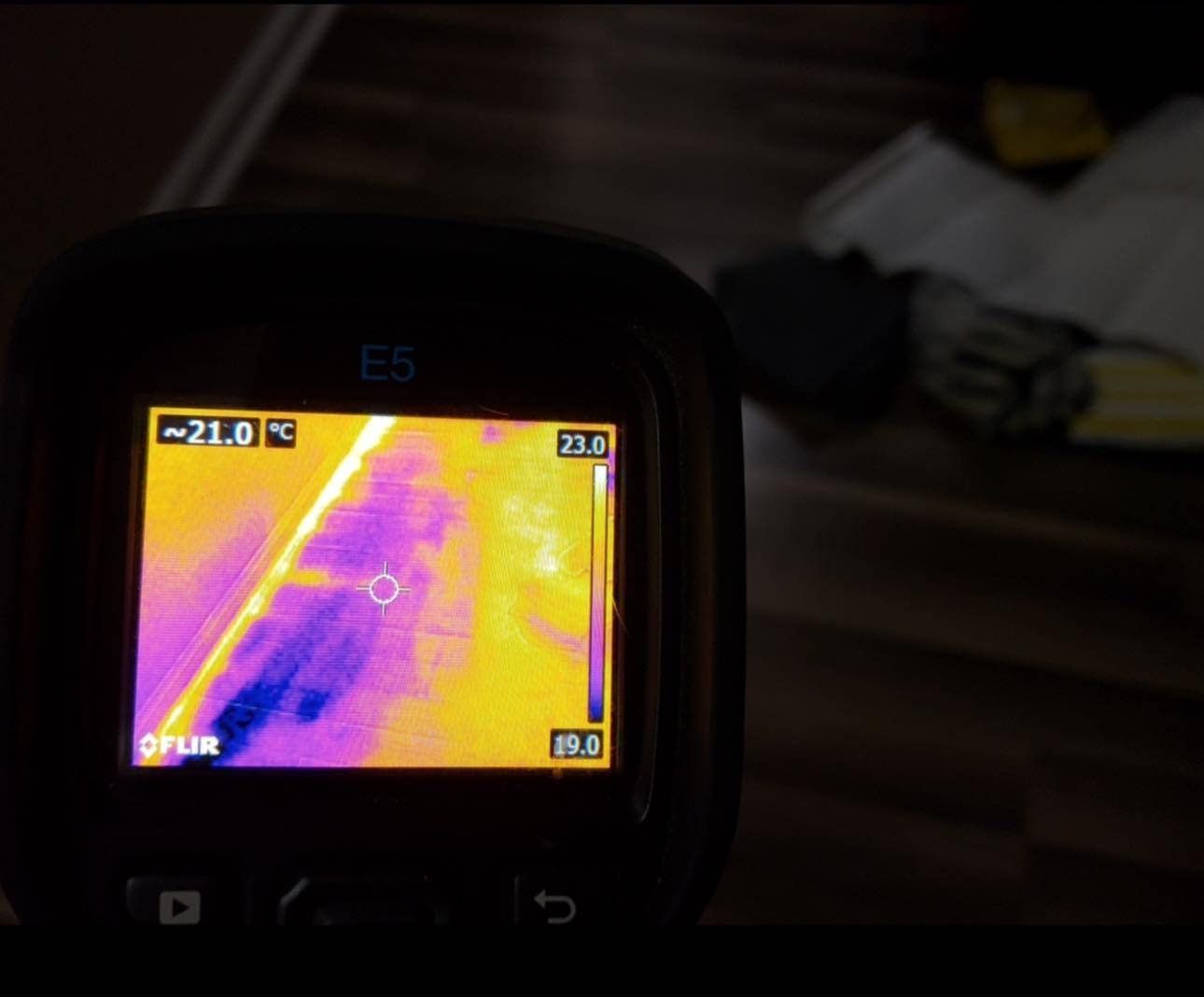
Yes. Water can hide in walls and under floors. This can lead to mold if not fixed quickly. We use special equipment to find all water.
Why choose a local Fort Mill company?
We know Fort Mill homes and weather patterns. We understand Baxter Village townhomes and Springfield's older houses. Local means faster, better service.
Stay Prepared This Summer
Don't wait for the next storm to think about protection. Take action now to keep your Fort Mill home safe. Check your drainage, clean your gutters, and know who to call.
Our Fort Mill team is here for you 24/7. We're your neighbors, and we care about keeping our community safe and dry.
Learn more about our Fort Mill water damage restoration services or contact our emergency response team anytime day or night.
For comprehensive storm damage services and flood damage restoration, trust the local experts at Carolina Pro Restoration.
Official Carolina Pro Restoration Blog
Water Damage in Charlotte NC: What to Do in the First 24 Hours
Water Damage Restoration in Matthews NC: What Homeowners Need to Know
How to File a Water Damage Insurance Claim in South Carolina
Dealing With Water Damage Right Now?
Our Fort Mill team answers 24/7 and can be on site fast. One call, one crew, start to finish.