
Moisture Builds Up
A small leak, high humidity, or a damp crawl space gives mold what it needs. Bathrooms, basements, and walls stay wet long after you notice. You often can't see the moisture at all.

A small leak, high humidity, or a damp crawl space gives mold what it needs. Bathrooms, basements, and walls stay wet long after you notice. You often can't see the moisture at all.
Mold can start to grow in a day or two on damp drywall, wood, and insulation. It spreads behind walls, under floors, and in attics where the air stays still and dark.
Mold spores float into the air you breathe. They can trigger allergies, asthma, coughing, and eye or skin irritation. A musty smell often means a bigger problem hides inside.
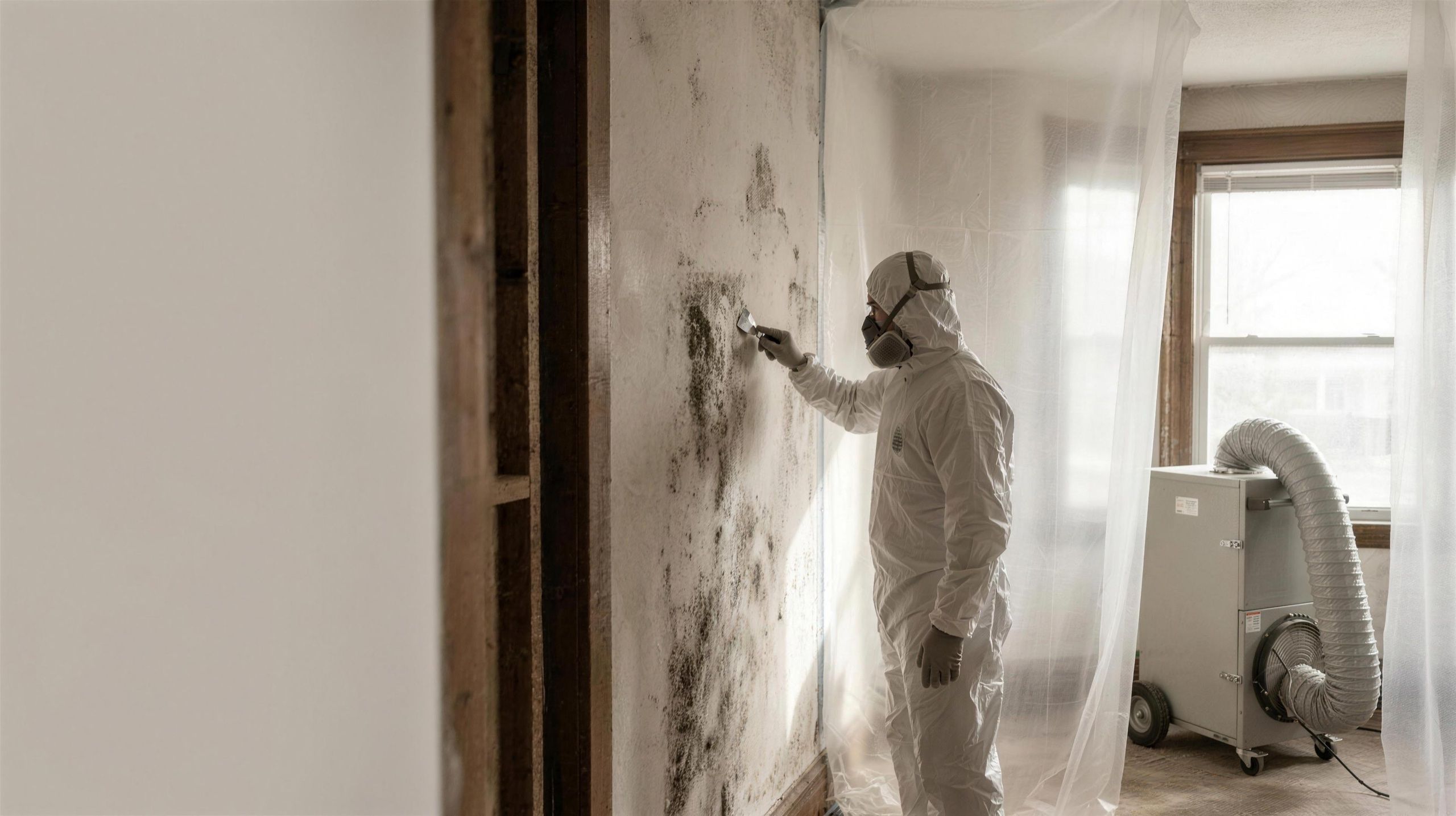
Our IICRC team seals off the area and uses HEPA air scrubbers and negative air. We remove moldy materials, treat surfaces, and fix the moisture source so it does not come back.
Showers, sinks, and poor airflow keep walls and ceilings damp. Mold grows behind tile and under flooring. We find the source, set up containment, and use HEPA air scrubbers to clean the air while we work.
Book a free inspection →Basements stay cool and damp, so mold takes hold on walls, boxes, and framing. We test for moisture, remove what is contaminated, and treat the area. Then we help fix the leak or humidity that started it.
See basement help →Damp crawl spaces feed mold on floor joists and subfloor. That musty air rises into your living space. We clean and treat the wood, then address the moisture so the mold does not come back.
Crawl space cleanup →A small roof leak soaks insulation and decking for weeks. Mold spreads before you ever see a stain. We use IICRC-certified methods to remove it safely, then dry the space and treat the surfaces.
Book a free inspection →Slow plumbing leaks let mold grow inside the wall, out of sight. You may notice a musty smell or worse allergies first. We seal the area, remove the bad drywall, and treat the studs with antimicrobial.
Book a free inspection →Mold can start within 24 to 48 hours of a water leak. If your home flooded or a pipe broke, mold may already be growing. We dry it out fast, then remove and treat any mold to keep your air clean.
Water damage repair →We start by finding where the mold is and how far it has spread. We check bathrooms, basements, crawl spaces, attics, and behind walls. Testing tells us what we are dealing with so we build the right plan for your home.
Mold needs water to grow. We use moisture meters and thermal cameras to track the leak, humidity, or hidden damp spot feeding it. Find the water and you stop the mold from coming back.
We build containment with plastic sheeting and run negative air machines. This keeps mold spores from spreading to clean rooms while we work. HEPA air scrubbers clean the air so you and your family breathe easier.
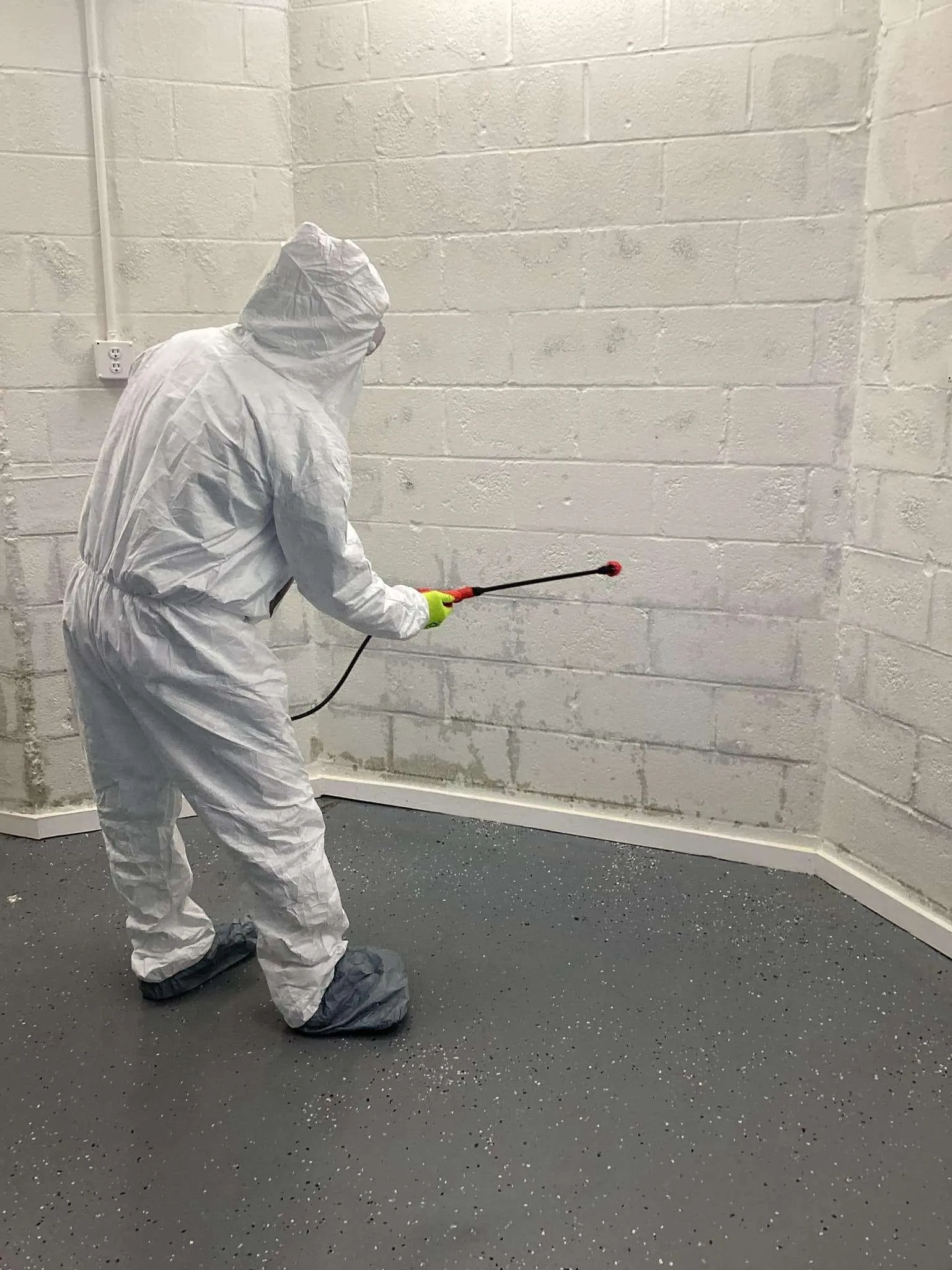
We safely take out drywall, insulation, and other materials too damaged to save. Then we HEPA vacuum and apply an antimicrobial treatment to stop new growth. Bleach does not reach mold inside porous materials — proper removal does.
We fix the leak or damp problem so the mold cannot return. Then we rebuild what we removed — drywall, paint, trim, and flooring. A final check confirms the area is clean, dry, and safe before we close the job.
Warm, humid air feeds mold in bathrooms, kitchens, and laundry rooms. Steam with no fan, weak air flow, and damp walls let it take hold. Lowering the moisture in the air is the first step to stop it.
Ground water, poor drainage, and cool surfaces keep basements and crawl spaces damp. Mold grows on framing and insulation where you rarely look. A musty smell is often the first clue something is wrong.
Mold can start within 24 to 48 hours of a leak or flood. Slow drips behind walls, roof leaks, and water that was never fully dried often grow mold out of sight. Fast, proper drying stops it before it spreads.
Why this matters: Mold is a moisture problem, not just a surface stain. Bleach may lighten what you see, but it won't stop mold that lives inside walls, wood, or insulation. We find the water source, fix it, and remove the mold the right way — so it doesn't come back. Need help with the root cause? See our water damage restoration , crawl space , and waterproofing services.
| DIY / Cheap | CPR | |
|---|---|---|
| Inspection and moisture testing | ||
| Containment with sheeting and negative air | ||
| HEPA air scrubbing to clean the air | ||
| IICRC certified technicians | Sometimes | |
| Safe removal of moldy materials | Sometimes | |
| Antimicrobial treatment after cleanup | Sometimes | |
| Fixes the moisture source so it stays gone | ||
| Licensed in SC and NC | Sometimes |
This team was very professional and did a thorough job with water removal from our house. Got the job done and done well. They are the very best!
Zach came over to my house to repair all damage better than new. He was prompt, clean, and professional. I highly recommend them!
The crew was professional and on top of everything. I was really happy that they worked with my insurance company, and everything was handled with ease.
Plain answers to the questions homeowners ask most about mold, your health, and proper remediation.
It can be. Mold spores in the air can trigger allergies, asthma attacks, coughing, a stuffy nose, and itchy eyes. People with asthma, babies, older adults, and anyone with a weak immune system tend to react the most. Some molds also make irritants that bother the skin and lungs. If your symptoms ease when you leave the house and come back when you return, mold is a likely cause.
Mold likes dark, damp, low-airflow spots. The most common places are bathrooms, basements, crawl spaces, attics, and behind walls near a leak. It also shows up under sinks, around windows, and on ceilings below a roof leak. Anywhere moisture sits, mold can start in 24 to 48 hours. If you have a damp basement or a humid crawl space , those are the first spots we check.
Bleach can wipe color off the surface, so the mold looks gone. But on porous things like drywall and wood, the roots stay deep inside and grow back. Bleach is mostly water, and that water can even feed the mold. It also does nothing about the spores already in your air or the moisture causing the problem. Real remediation removes the contaminated material, cleans the air, and fixes the source so the mold does not return.
First we inspect and, when needed, test to find the mold and the moisture feeding it. Then we seal off the work area with plastic sheeting and set up negative air so spores cannot spread to clean rooms. We run HEPA air scrubbers, safely remove the materials we cannot save, and treat surfaces with an antimicrobial. Last, we fix the moisture source and dry everything out. Our crews follow IICRC remediation standards on every job.
Mold cannot grow without water. If we clean the mold but leave a leak, high humidity, or a damp crawl space, it will simply come back. That is why we trace the cause first. It might be a plumbing leak, a roof leak, poor drainage, or too much humidity. Sometimes the fix is waterproofing or better air flow. Solving the moisture is the only way to keep the mold gone for good.
Containment. Before we touch the mold, we seal the area with plastic sheeting and run negative air machines that pull air out through a HEPA filter. That keeps spores from drifting into clean parts of your home while we work. We also wear protective gear and bag contaminated material before carrying it out. These steps protect your family's air the whole time we are on site.
Soon. Mold is not a storm-style emergency, but it does grow and spread the longer it sits, and so does the health risk. A musty smell or a small dark patch is your cue to call. We start with a free inspection to find how far it has spread. Acting early usually means less material to remove, a faster job, and a lower cost. If the mold came from a recent water leak , drying it fast also limits new growth.
Usually, yes. Because we seal off the work area and run HEPA air scrubbers, most families can stay home during the job. For larger jobs or for people with asthma or other health concerns, we may suggest staying out of the affected rooms until the air is clear. We will walk you through what to expect during your inspection so you can plan around it.
We cover most of York County and south Charlotte for mold testing, removal, and moisture repair.
Most mold starts with water. We fix the water problem, too.
Learn more →Flooded basements are a top mold source. We clean and dry them.
Learn more →Seal a damp crawl space so mold cannot return.
Learn more →Clear mold and spores out of your HVAC ducts and air.
Learn more →Locally owned and Fort Mill based. 24/7 emergency response across the Carolinas metro.