Water Damage Restoration in Fort Mill
Expert Water Damage Restoration in Fort Mill
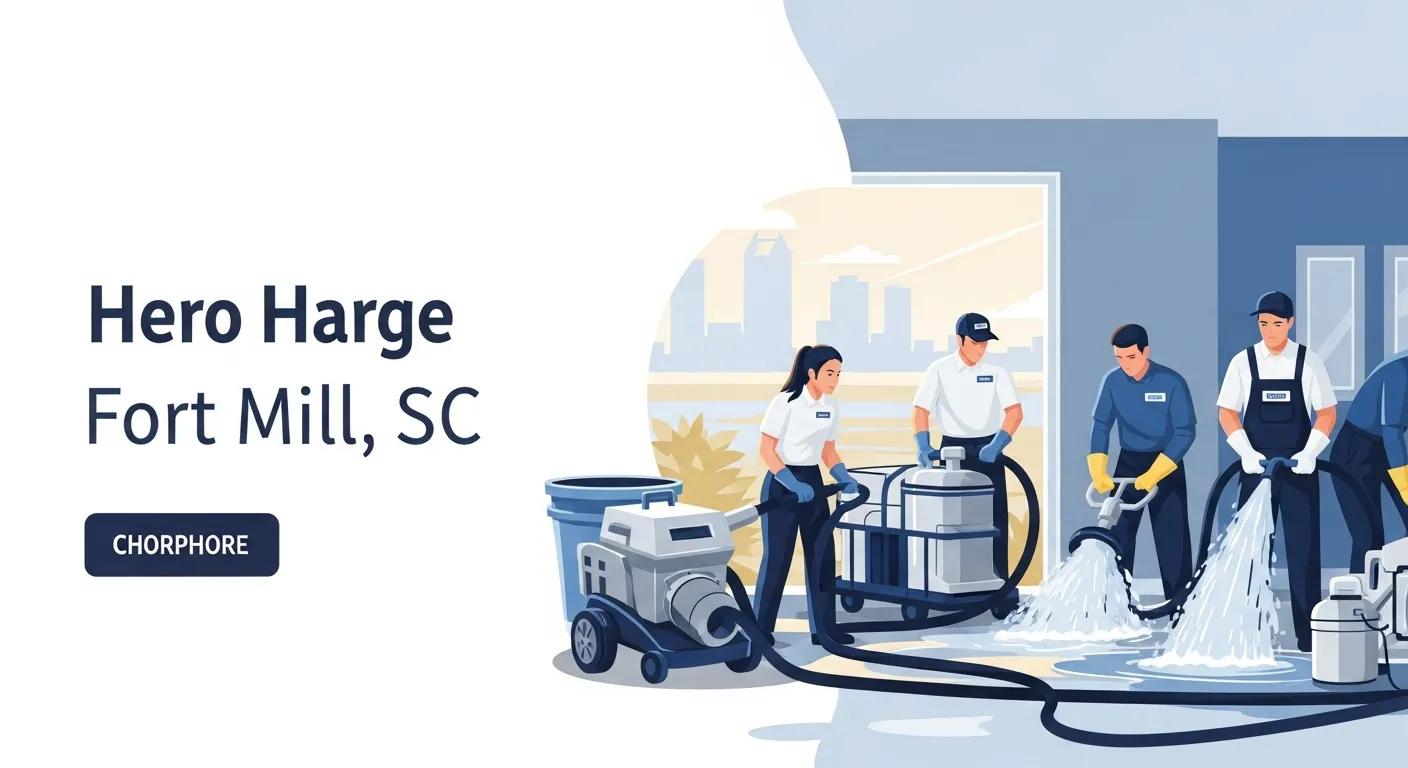
Water damage often occurs without warning and can disrupt homes and businesses. A clear understanding of the restoration process is necessary for efficient recovery. This article outlines comprehensive water damage restoration services in Fort Mill, SC, including emergency response, structural drying, mold remediation, and reconstruction. It also explains immediate actions to take, techniques used to prevent secondary damage, and guidance on handling insurance claims. The goal is to provide practical information to protect property and enable a swift recovery.
How Does Emergency Water Removal in Fort Mill Protect Your Property?
Emergency water removal is the first step in limiting water-related loss. Rapid extraction of standing water reduces structural damage and the likelihood of mold . Engaging professional services ensures the extraction is thorough and follows industry best practices, which lowers the chance of long-term problems.
Emergency water removal provides these key advantages:
- Rapid Response: Quick action minimizes damage and accelerates recovery.
- Professional Expertise: Trained technicians utilize specialized equipment for effective water extraction .
- Insurance Assistance: Professional services often provide support in navigating insurance claims, reducing homeowner stress.
What Are the Immediate Steps in Emergency Water Extraction?
Immediate action is essential when water damage occurs. The first steps in emergency extraction include:
- Ensure Safety: Prioritize safety by turning off electricity and avoiding contact with contaminated water.
- Shut Off Water Supply: Locate and turn off the main water supply to prevent further flooding.
- Contact Professionals: Reach out to a water damage restoration service for immediate assistance.
These actions limit additional damage and create a safer environment for restoration efforts.
Why Choose 24/7 Emergency Water Removal Services in Fort Mill?
Choosing 24/7 emergency water removal provides clear operational advantages:
- Quick Deployment: Local services can respond rapidly to mitigate damage effectively.
- Comprehensive Solutions: Professionals provide a full range of services, from extraction to drying and restoration .
- Local Knowledge: Familiarity with the area allows for tailored solutions that address specific regional challenges.
Selecting a local provider helps ensure assistance is available when it is needed most.
What Are the Proven Structural Drying Techniques Used in Fort Mill?
Structural drying removes moisture from affected building components to prevent further deterioration and mold . Proven techniques include:
- Water Extraction : The initial step involves removing standing water using pumps and vacuums.
- Dehumidification: Industrial dehumidifiers are employed to lower humidity levels and promote faster drying.
- Moisture Monitoring: Continuous monitoring of moisture levels ensures that all areas are adequately dried.
Combined, these methods restore structural integrity and reduce the risk of future issues.
How Does Structural Drying Prevent Further Water Damage ?
Structural drying addresses moisture at its source. The process starts with a comprehensive assessment, followed by the use of industrial-grade equipment to extract water and lower moisture content. Ongoing moisture monitoring verifies complete drying and reduces the risk of mold and structural compromise.
Which Advanced Drying Technologies Are Employed Locally?
Locally, technicians employ advanced drying technologies to improve efficiency. These include:
- Thermal Imaging: This technology helps identify hidden moisture pockets that may not be visible to the naked eye.
- Antimicrobial Treatments: These treatments are applied to prevent mold growth and ensure a safe environment post-drying.
Using these techniques enables a more thorough and effective drying process.
Ongoing research and development continue to refine these methods, seeking improved drying rates and optimized multi-stage drying protocols.
Advanced Drying Technologies for Restoration
The following sections review two evolutionary advances in drying technologies: the intensification of drying rates and the multistaging of convective dryers.
Advanced drying technologies, 2009
How Is Mold Remediation Conducted After Water Damage in Fort Mill?
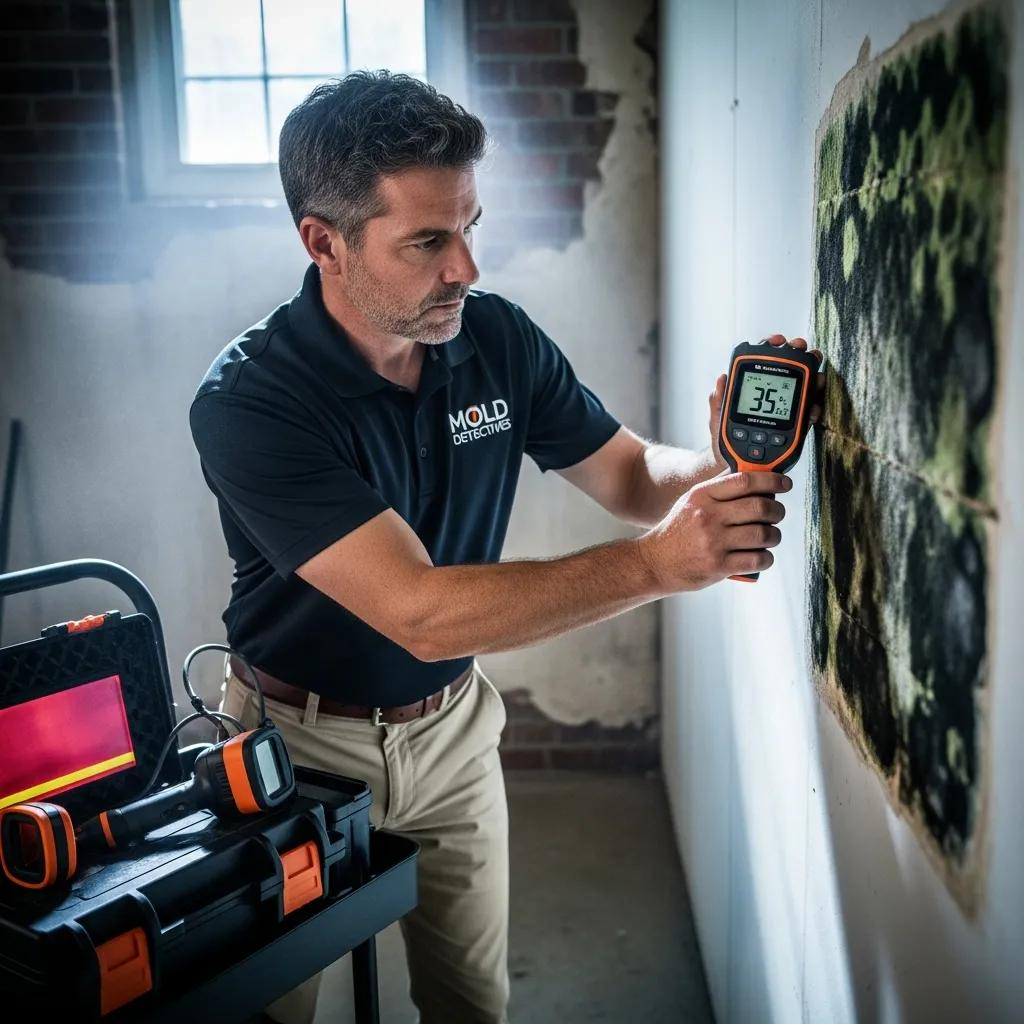
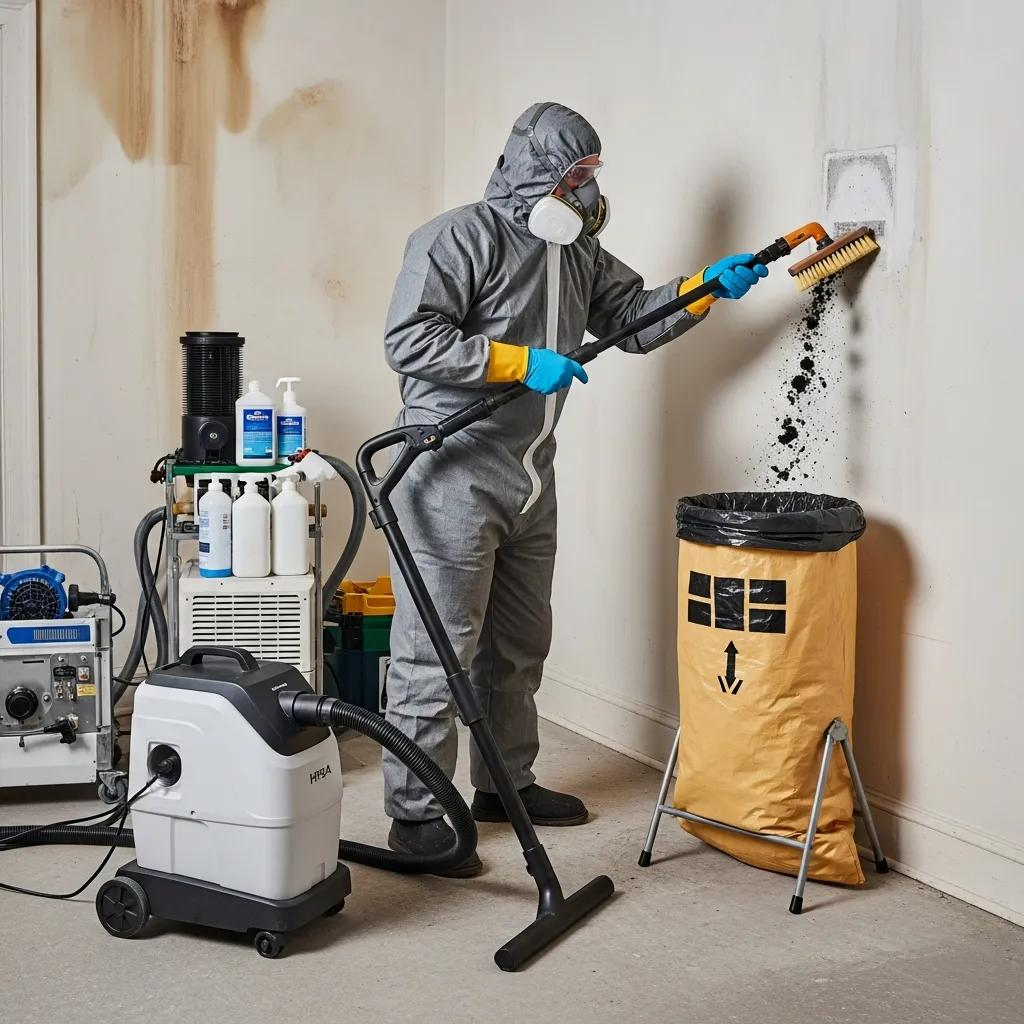
Mold remediation is essential after water intrusion because mold presents health risks. The process identifies and addresses moisture sources, contains affected areas, and removes mold spores to restore a safe environment.
Health risks associated with mold growth after flooding include:
- Respiratory Problems: Mold can trigger allergies and respiratory issues, particularly in vulnerable populations.
- Increased Sensitivity: Individuals with existing health conditions may experience heightened sensitivity to mold exposure.
What Are the Health Risks of Mold Growth Post-Flood?
Mold exposure can cause symptoms such as coughing, sneezing, and difficulty breathing. Children and individuals with pre-existing conditions face a higher risk of severe reactions.
What Industry Standards Guide Mold Inspection and Removal?
Inspections and removals follow industry standards from organisations such as the IICRC and the EPA. These guidelines promote safe, effective remediation and thorough removal of spores. Adherence to these standards is essential to restore a safe environment.
How Does Carolina Pro Restoration Support Insurance Claims for Water Damage ?
Navigating insurance claims after water damage can be complex. Carolina Pro Restoration assists homeowners by streamlining the process and serving as a direct liaison with insurance providers to facilitate communication and documentation.
Their support includes:
- Experience in Managing Claims: Their expertise helps homeowners understand the claims process.
- Direct Liaison with Insurance Providers: They communicate directly with insurers to expedite claims.
- Documentation Support: Providing necessary documentation reduces the burden on homeowners.
What Documentation Is Required for Insurance Claim Assistance?
Required documentation typically includes:
- Photos of Damage: Visual evidence of the damage is essential for claims processing.
- Detailed Reports: Comprehensive reports outlining the extent of the damage help expedite claims.
Prepared documentation can expedite the claims process.
How Does Professional Support Expedite Claim Approval?
Professional support expedites approval by ensuring accurate, timely submission of all required documentation and by advocating with insurers. Prompt communication promotes fair and timely resolutions and reduces homeowner stress.
What Does Full Reconstruction Involve After Water Damage in Fort Mill?
Full reconstruction restores a property to its pre-loss condition. The process begins with an emergency call and proceeds to an on-site assessment to determine the full scope of damage and the necessary repairs.
Key components of the reconstruction process include:
- Assessment of Damage: A thorough evaluation is conducted to identify all affected areas.
- Consultation with Homeowners: Engaging with homeowners ensures that their needs and preferences are considered.
- Preventive Measures: Discussing preventive measures post- restoration helps mitigate future risks.
How Is Property Restored to Pre-Loss Condition?
Restoration follows a systematic plan: repair structural damage, replace affected materials, and verify that all systems function correctly. Cosmetic work may also be performed to return the property to its prior condition.
What Are the Benefits of Integrated Mitigation and Rebuild Services?
Integrated mitigation and rebuild services provide these advantages:
- Streamlined Process: Coordinating mitigation and reconstruction reduces delays and improves efficiency.
- Expertise in Various Types of Damage: Professionals can address a wide range of issues, ensuring comprehensive care.
- 24/7 Availability for Emergencies: Immediate access to services ensures that help is available when needed most.
These advantages underscore the value of selecting a restoration provider that offers integrated services.
How Do Flood Cleanup Services in Fort Mill Address Residential and Commercial Needs?
Flood cleanup services support both residential and commercial properties, ensuring each structure receives appropriate care. Rapid emergency response is critical to limit damage.
Key aspects include:
- Personalized Solutions: Tailored approaches ensure that the specific needs of each property are met.
- Thorough Assessments: Comprehensive evaluations help identify the extent of the damage and the best course of action.
What Specialized Cleanup Processes Are Used for Flooded Properties?
Typical specialized processes include:
- Water Extraction : The first step is to remove standing water using pumps and vacuums.
- Sewage Cleanup: If sewage is involved, it is handled with care to prevent contamination.
These processes restore safety and functionality to affected properties.
How Are Local Flood Risks Mitigated Through Professional Cleanup?
Professional cleanup mitigates local flood risks through thorough damage assessments and effective mold remediation strategies. Collaboration with local authorities and adherence to best practices further improve outcomes.
| Service Type | Description | Benefit |
|---|---|---|
| Emergency Water Removal | Rapid extraction of water from affected areas | Minimizes damage and accelerates recovery |
| Structural Drying | Use of industrial-grade equipment to remove moisture | Prevents mold growth and structural damage |
| Mold Remediation | Identification and removal of mold | Ensures a safe environment post-water damage |
This table summarizes the key services offered in water damage restoration and their role in the recovery process.
To learn more or schedule a consultation, contact us today. Our team is prepared to assist you with all your restoration needs.
Understanding the full scope of water damage restoration services available in Fort Mill, SC, is essential for effective property recovery. From emergency removal to mold remediation and full reconstruction, these services protect property and support a timely return to normal operations.
Frequently Asked Questions
What should I do if I discover water damage in my home?
If you discover water damage , first ensure safety by turning off electricity and avoiding contact with contaminated water. Then shut off the main water supply to stop further flooding. Contact a professional water damage restoration service promptly; they will assess the situation and begin emergency water removal to limit damage and reduce the risk of mold .
How long does the water damage restoration process typically take?
Duration depends on the extent of damage and the size of the affected area. Minor incidents may be resolved in a few days; severe cases can take several weeks. Drying time, mold remediation, and reconstruction requirements all affect the timeline. A professional assessment provides the most accurate estimate.
Are there any preventative measures I can take to avoid water damage ?
Yes. Regularly inspect your roof, gutters, and plumbing for leaks or blockages. Maintain proper drainage around the property and consider installing sump pumps in basements. Service appliances and address any signs of moisture promptly to reduce the risk of future damage and costly repairs.
What types of insurance typically cover water damage restoration ?
Coverage varies by policy. Homeowners insurance commonly covers sudden, accidental water damage such as burst pipes or appliance failures. Flood damage often requires separate flood insurance. Review your policy and consult your insurance agent to understand your specific coverage and exclusions.
How can I tell if my property has hidden water damage ?
Hidden water damage may present as stains on walls or ceilings, peeling paint, warped flooring, or a musty odor. Thermal imaging can detect concealed moisture pockets. If you suspect hidden damage, engage a professional for a comprehensive inspection.
What are the long-term effects of untreated water damage ?
Untreated water damage can cause structural deterioration, extensive mold growth, and health issues. Prolonged moisture weakens building elements and increases repair costs. Mold exposure can contribute to respiratory problems, especially for vulnerable individuals. Prompt remediation is essential to prevent these long-term consequences and to maintain a safe environment.
You might also like
Official Carolina Pro Restoration Blog