Fort Mill Family Neighborhoods: Summer Break Water Damage Prevention

Carolina Pro Restoration • July 29, 2025

Fort Mill Family Neighborhoods: Summer Break Water Damage Prevention

Summer break is the perfect time for Fort Mill families to protect their homes from water damage. Kids are home, weather is good for outdoor work, and you have time before school starts. Our local team helps Fort Mill families use summer break wisely to prevent water problems.

Baxter Village, Springfield, and Regent Park families know that prevention saves money and stress. Smart maintenance during summer break keeps your family safe and dry all year long.

Why Summer Break is Perfect for Water Damage Prevention

Summer break gives Fort Mill families unique advantages for home maintenance. Kids can help with simple tasks. You have time for projects without homework and activities. Good weather makes outdoor work easier.

Many water damage problems start small and grow over time. Summer break lets you catch problems before they become expensive emergencies. Prevention is always cheaper than repairs.

Fort Mill's summer weather also reveals problems that might hide during cooler months. Higher humidity shows moisture issues. Heavy summer storms test your drainage systems. It's better to find problems now than during winter.

Fort Mill Family Prevention Checklist

Check Your Gutters and Downspouts: Clean out leaves and debris from spring. Make sure gutters slope toward downspouts. Check that downspouts direct water away from your foundation, not toward it.

Test Your Sump Pump: Pour a bucket of water into the sump pit. The pump should turn on automatically and remove water quickly. Replace backup battery if needed.

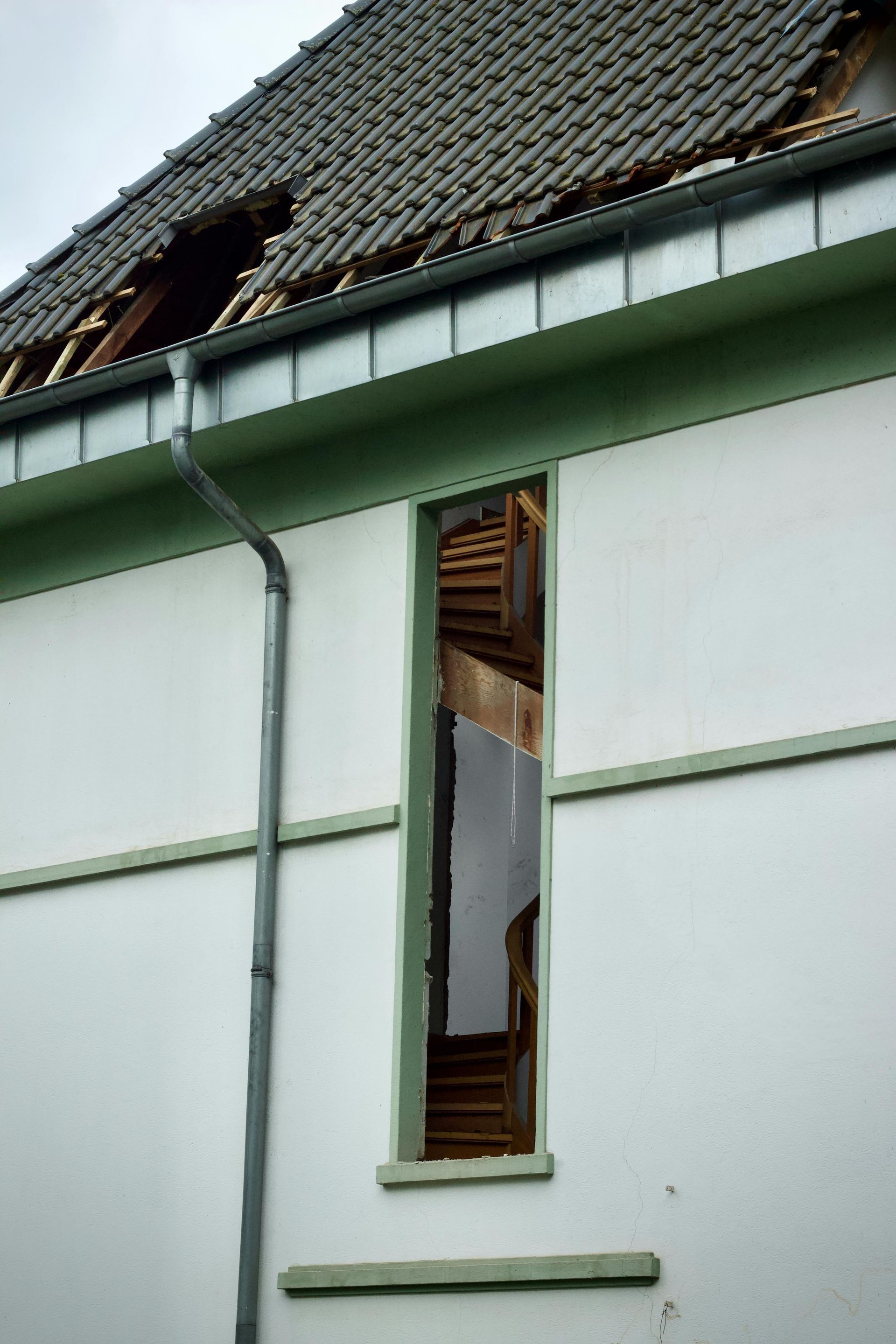
Inspect Your Roof: Look for loose or damaged shingles. Check around chimneys, vents, and skylights for cracks or gaps. Small problems now prevent big leaks later.

Examine Your Foundation: Walk around your house looking for new cracks. Check basement walls for water stains or white chalky deposits. Look for soft spots in your yard that might indicate drainage problems.

Check Indoor Plumbing: Look under sinks for leaks. Test toilets by adding food coloring to the tank - if color appears in the bowl, you have a leak. Check water pressure in all faucets.

Teaching Kids About Water Damage Prevention

Summer break is perfect for teaching children about home maintenance. Kids learn responsibility while helping protect the family home.

Show Them the Water Shut-Off Valve: Every family member old enough should know where this is located. Practice turning it off and on. Explain when they should use it.

Teach Proper Toilet Use: Kids should never flush toys, wipes, or large amounts of toilet paper. Explain how blocked toilets can cause water damage.

Explain Leak Reporting: Teach children to tell adults immediately about any water they see where it shouldn't be. Quick reporting prevents small problems from becoming big ones.

Involve Them in Inspections: Let kids help check gutters, look for cracks, and test systems. They learn while helping keep the family safe.

Special Considerations for Fort Mill Neighborhoods

Baxter Village Townhomes: Connected units need extra attention. Check shared walls for water stains. Coordinate with neighbors for gutter cleaning. Test your unit's individual systems.

Springfield Older Homes: Mature neighborhoods have aging systems. Check for tree root damage to pipes. Older plumbing might need professional inspection. Historic character requires careful maintenance.

Regent Park Family Areas: Busy family schedules make prevention challenging. Set phone reminders for quarterly checks. Include maintenance in family chore charts. Consider professional inspections for peace of mind.

Summer Maintenance Schedule for Busy Families

Week 1 of Break: Exterior inspection. Check roof, gutters, and foundation. Kids can help spot problems from ground level.

Week 2 of Break: Interior plumbing check. Test all faucets, toilets, and drains. Look under sinks and around water heaters.

Week 3 of Break: Test safety systems. Check sump pumps, water shut-off valves, and leak detectors. Replace batteries as needed.

Week 4 of Break: Professional consultation if needed. Schedule any repairs before school starts. Document everything for insurance purposes.

Making Prevention Fun for Kids

Turn water damage prevention into family activities. Create a home inspection game with checkboxes. Give kids stickers for finding problems. Make it educational and engaging.

Teach kids about water cycles and drainage. Explain how rain travels from roof to gutters to ground. Show them how proper drainage protects the house.

Let children help with age-appropriate tasks. Younger kids can spot obvious problems. Older kids can help clean gutters or test systems. Everyone learns while helping.

Fort Mill Family Water Prevention FAQs

What can Fort Mill families do during summer break to prevent water damage?

Check your pipes for leaks. Test your sump pump. Look for water stains in basements. Clean gutters and check roof.

Why is summer break a good time for home maintenance?

Kids are home to help. Weather is usually good for outdoor work. You have time before school starts. Problems are easier to spot.

What should parents teach kids about water damage prevention?

Show them where the water shut-off valve is. Teach them not to flush toys. Explain why they should tell adults about leaks immediately.

Are Baxter Village townhomes at special risk?

Townhomes share walls and pipes. If one unit has problems, it can affect neighbors. Regular maintenance prevents big problems.

How can busy families stay on top of prevention?

Set phone reminders every 3 months. Keep our number saved in your contacts. Join neighborhood maintenance groups for support.

Professional Support for Fort Mill Families

Sometimes prevention reveals problems that need professional attention. Our Fort Mill headquarters team understands family schedules and budgets. We work around school activities and family commitments.

We offer family-friendly explanations for all our services. Kids learn about home maintenance while adults get expert solutions. We make restoration educational and stress-free for families.

Our team lives in Fort Mill neighborhoods just like yours. We understand Baxter Village community dynamics, Springfield's mature home challenges, and Regent Park's family focus.

Stay Prepared Year-Round

Summer break prevention sets your family up for success all year. Good habits developed during break continue through the school year. Kids who learn prevention become responsible homeowners someday.

Keep our emergency contact information where all family members can find it. Post it on the refrigerator or save it in family phones. Quick response prevents small problems from becoming family emergencies.

Regular maintenance becomes easier when everyone knows their role. Summer break is perfect for establishing these family routines.

Fort Mill Family Emergency Preparedness

Beyond prevention, every Fort Mill family needs an emergency plan. Summer break is perfect for creating and practicing emergency procedures.

Know where your circuit breakers are located. Practice shutting off water and electricity safely. Keep emergency supplies in an easy-to-find location.

Create a family communication plan. Make sure everyone knows how to contact emergency services and our restoration team. Practice what to do during different types of water emergencies.

Contact our Fort Mill team for your family's summer prevention consultation. We'll help you create a maintenance plan that works with your family's schedule and needs.

For family-focused prevention, trust our expertise with basement flooding prevention and helpful resources and tips. Contact us for your family's inspection today.

You might also like

Official Carolina Pro Restoration Blog

By John Varnedore February 13, 2026
Mold can harm health and damage property. Professional mold inspections and air quality testing help homeowners and businesses identify contamination, plan remediation, and prevent recurrence. What Is Professional Mold Inspection and Why Is It Essential? A professional inspection evaluates a building to find mold, locate the moisture source, and estimate spread. Certified assessments reduce health risks, ensure proper cleanup, and protect property value by catching problems before they escalate. How Does Mold Affect Indoor Air Quality and Health? Mold lowers indoor air quality and can trigger respiratory and allergic symptoms. Because mold can start growing within 24–48 hours after moisture exposure, prompt water removal and remediation are important to limit spread and protect occupants. What Are the Common Signs of Mold in Homes and Businesses? Spotting mold early prevents larger repairs. Common signs include: Visible Mold Growth : Dark or discolored spots on surfaces. Musty Odors : A persistent damp smell suggesting hidden mold. Health Symptoms : New or worsening allergies, coughing, or skin irritation among occupants. When you see these signs, schedule a professional inspection promptly. A full assessment that combines what you can see and smell with technical checks is recommended by public health guidelines like those from NIOSH. NIOSH Mold Assessment for Water-Damaged Buildings Inspection of water damage/stains, visible mold, and wetness/dampness, along with an olfactory (smell) assessment, are central to identifying mold issues. How Does Our Mold Inspection Process Work? Inspections follow a clear workflow: assess affected areas, remove standing water, dry and dehumidify, clean and sanitize, then rebuild if needed. Technicians check visible mold, use moisture meters and thermal imaging for hidden dampness, and deploy pumps, dehumidifiers, and air movers as required. Containment and antimicrobial treatment are applied when appropriate. What Steps Are Involved in a Thorough Mold Assessment? A complete assessment typically includes: Visual Inspection : Room-by-room check for mold and water damage. Moisture Detection : Meters and infrared tools to locate hidden dampness. Air Sampling : Collecting samples to identify airborne spores and common strains. Combined, these steps show where mold is, how it’s spreading, and what’s causing the issue so the right remediation plan can be made. How Do Certified Technicians Use Air Quality Testing Methods?
By John Varnedore February 12, 2026
Stachybotrys chartarum, commonly called black mold , can threaten health and property when moisture problems persist. This guide explains how professionals identify and remove black mold, what affects cost, and why DIY fixes often fail — so you can make informed decisions. What Is Black Mold and Why Professional Removal Matters Black mold grows in damp conditions and can appear within 24–72 hours after moisture exposure. Professionals use containment, HEPA air filtration, and proven cleaning or removal methods to limit spread, protect occupants, and reduce the chance of recurrence. Carolina Pro Restoration offers 24/7 response with IICRC-certified technicians who follow industry standards to handle mold safely and limit property damage. How to Identify Stachybotrys chartarum in Your Home or Business
By John Varnedore February 11, 2026
Keeping your crawl space dry protects your home’s structure and the air you breathe. Crawl space vapor barriers stop ground moisture before it becomes mold, wood rot, or musty air in your living spaces. This article explains why professional installation matters, how the system works, and when to repair or replace a damaged barrier so you can make the right choice for your property. What Are Crawl Space Vapor Barriers and How Do They Protect Your Home? A crawl space vapor barrier is a polyethylene liner installed over the soil beneath your house to block moisture from evaporating into the crawl space air. By limiting ground vapor, the liner lowers humidity, slows mold growth, and helps preserve wood and insulation—important benefits in humid climates. Definition and Purpose of Crawl Space Vapor Barriers Vapor barriers serve as a first line of defense against moisture rising from the ground. The liner is laid across the entire crawl space floor and sealed at seams and where it meets walls so soil moisture cannot enter the crawl space atmosphere. Properly chosen and installed materials resist tears and hold up to the conditions found under a home. How Vapor Barriers Prevent Moisture Intrusion and Mold Growth A continuous vapor barrier reduces crawl space humidity by sealing the soil surface. Lower humidity creates less favorable conditions for mold and mildew, which helps protect framing, insulation, and indoor air quality. In short, a properly installed liner reduces moisture-related problems before they start. Research supports the idea that sealed crawl spaces often outperform traditional vented designs for moisture control. Sealed Crawl Spaces: Superior Moisture Control & Performance A field study compared closed crawl spaces—sealed foundation vents, a continuous polyethylene liner, and controlled insulation and drying strategies—to conventional vented crawl spaces. In the humid southeastern U.S., properly sealed crawl spaces consistently produced much drier conditions than vented designs, making sealed construction an effective moisture-control approach. A Field Study Comparison of the Energy and Moisture Performance Characteristics of Ventilated Versus Sealed Crawl Spaces in the South, 2005 What Are the Key Benefits of Professional Vapor Barrier Installation? Professional installation delivers measurable benefits: it lowers mold risk, protects structural components, and can improve energy performance. Reduce Mold Risk and Protect Structural Integrity : Controlling ground moisture makes mold far less likely and prevents damp conditions that can rot wood and damage subfloor materials. Professional crews ensure seams, edges, and penetrations are sealed so the liner performs as intended. Improve Energy Efficiency and Indoor Air Quality : A sealed crawl space helps insulation work more effectively and reduces humid air migration into your home, easing the load on HVAC systems. That can mean lower energy use and fewer allergens circulating in your living space. Studies highlight the link between crawl space humidity, mold growth, and indoor air quality—underscoring why a proper vapor barrier is a worthwhile investment. Crawl Space Humidity, Mold Growth & Indoor Air Quality Relative humidity inside crawl spaces is the key driver of mold growth. Moisture problems below the house can transfer contaminants into the living space through pressure differences. Research examining ground covers and ventilation rates in cold climates found that controlling moisture in the crawl space is essential to protecting materials and indoor air quality. Moisture and fungal spore transport in outdoor air-ventilated crawl spaces in a cold climate, M Airaksinen, 2003 Locally, homeowners in the Fort Mill and Charlotte areas trust Carolina Pro Restoration for professional vapor barrier installation that keeps homes drier, cleaner, and more efficient. How Is a Crawl Space Vapor Barrier Installed?